Portuguese
  Spanish



Ministry of Finance Advocates for Early End of Tax Benefits for Distributed Solar Energy Generation, Claiming Tariff Imbalance. Sector Reacts and Sees Threat to Legal Security and Growth of the Clean Matrix in Brazil.
The Ministry of Finance presented to the National Congress a proposal of significant impact on the Brazilian energy sector: the anticipation of the end of tax incentives granted to solar energy and other sources of micro and mini distributed generation. The measure is part of an amendment to the Provisional Measure (MP) dealing with the reform of the electric sector, reported by Senator Eduardo Braga (MDB-AM).
The government argues that the current benefits — valid until 2045 — are causing market distortions and burdening consumers who do not use the self-generation system. The aim, according to the economic team, is to ensure what they call “tariff fairness,” preventing subsidy costs from being passed on to those who do not benefit from them.
Cost of Incentives and the Argument of Economic Imbalance
The Secretary of Economic Reforms of the Finance Ministry, Marcos Pinto, stated that the subsidy for solar energy represents a cost of R$ 14.3 billion in 2024, an amount that, according to him, is absorbed by other consumers in their electricity bills.
-
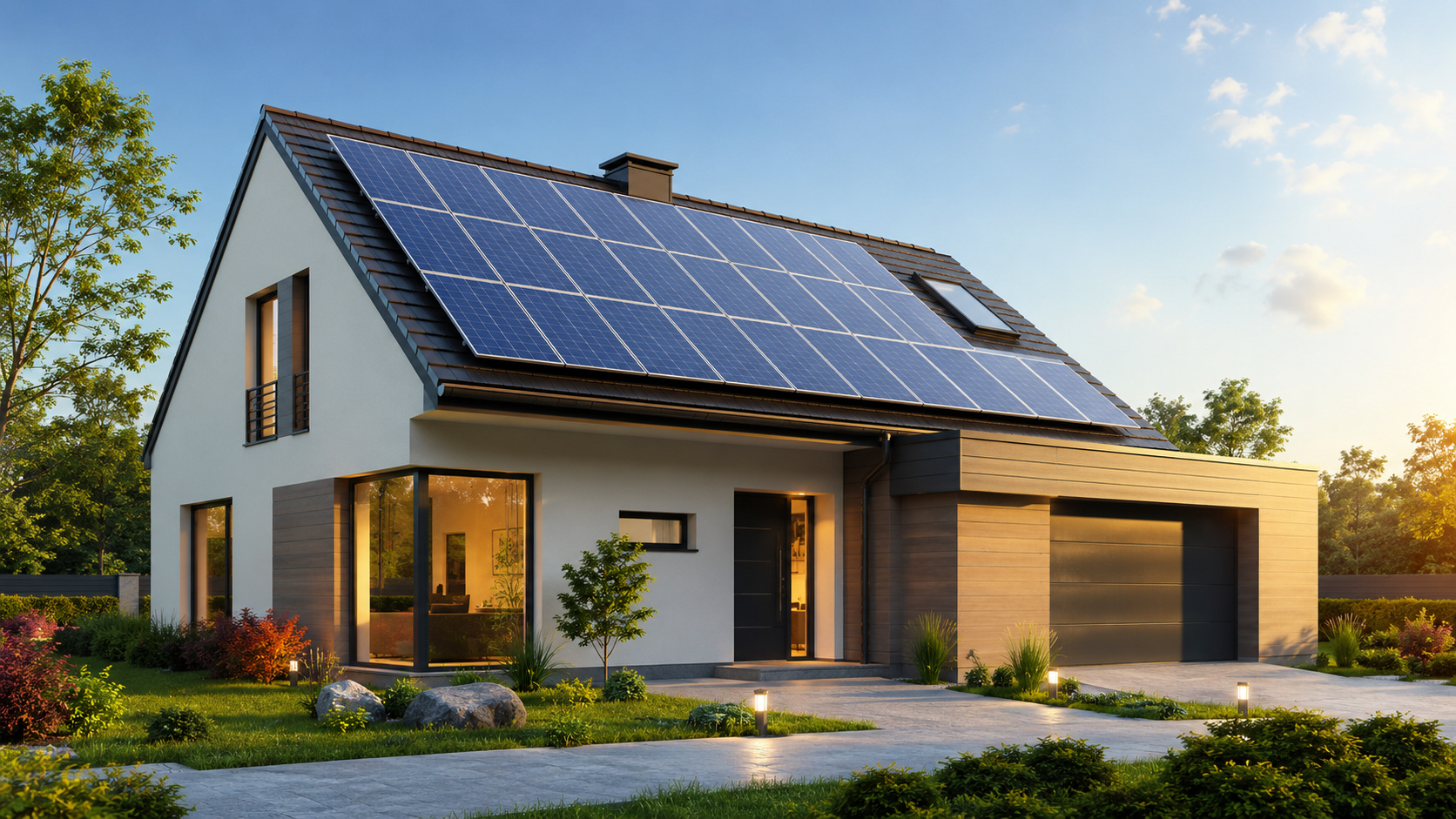
Solar energy can increase property value by up to 10% and become a selling point.

-
Solar and wind energy surpass natural gas for the first time in the world and accelerate energy revolution

-
Africa has about 500,000 cell towers and most still burn diesel to operate, while companies rush to cover antennas with solar energy and avoid signal blackouts.
-
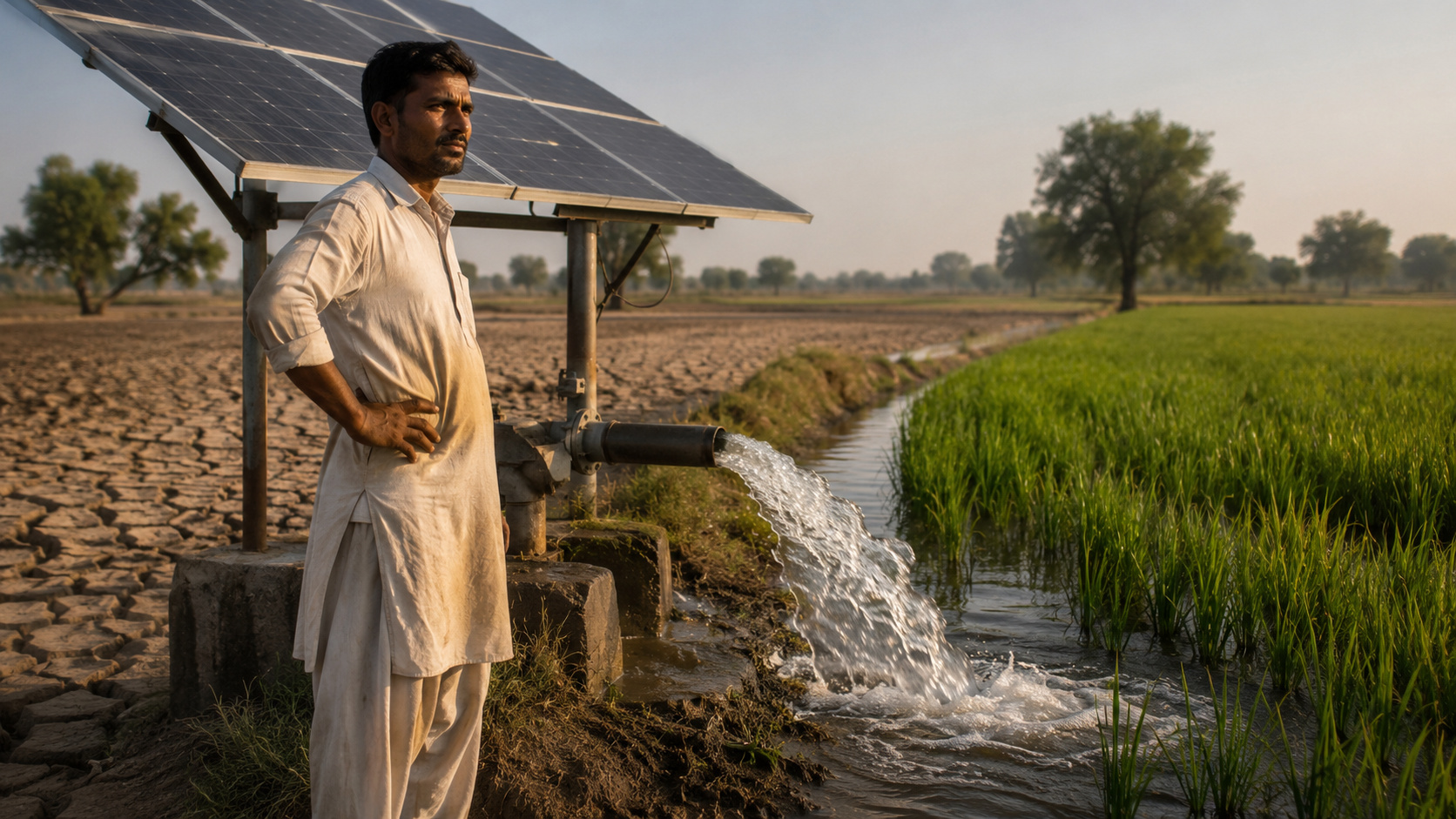
Farmers swapped diesel for solar panels in Pakistan, powered irrigation pumps almost cost-free, expanded rice fields, and now groundwater has become a red alert in the countryside.


“Today, we have in Brazil a series of subsidies in the electric sector that no longer make sense. Just like in income taxation, we have the resident of the penthouse not paying for the condo, and the other residents having to pay more for that,” the secretary compared.
The Finance proposal intends that, starting in 2026, all consumers with solar systems will begin to gradually pay for the use of the distribution network, in a transition process until 2029. There is also an alternative being studied that would reduce benefits until 2030, completely ending the exemptions within that timeframe.
Argument of Legal Security and Guaranteed Return on Investments
In defense of the change, the Ministry of Finance claims that shortening the exemption period will not affect investments made, as the average return time for solar projects is less than four years. The Ministry asserts that the sector maintained a 48% internal rate of return (IRR) per year in 2024, demonstrating that profitability remains high even with the gradual withdrawal of benefits.
According to the government, the measure aims to balance the electric system and prepare the country for a new stage of tariff modernization, reducing privileges and strengthening competition among energy sources.
Proposal Includes Structural Changes in the Electric Sector Model
The Finance proposal is not limited to solar energy. The plan also foresees structural reforms for the Brazilian electric sector. Among them, the inclusion of distributed generation (DG) in the allocation of production cuts — known as curtailments — which currently impact only centralized plants, such as large wind and solar parks.
The government proposes that, in the future, the National Electric System Operator (ONS) will have direct control over the injection of energy from these systems, ensuring greater predictability for the grid.
Another point is the establishment of a cap on subsidies applied to incentivized sources, especially in the use of transmission and distribution lines. In 2025, the cost of these incentives is expected to reach R$ 17 billion. The proposed cap would be between R$ 35/MWh and R$ 40/MWh, with a gradual reduction until complete elimination over ten years.
New Governance for the Sector and Control Over Tariff Charges
The economic team also seeks governance rules inspired by the Fiscal Responsibility Law (LRF) for the electric sector. The plan foresees a cap for the Energy Development Account (CDE) — a fund that subsidizes various public policies — and the obligation to demonstrate the financial impact of new charges or tariff benefits before their approval.
Other measures include the change in the energy pricing model, focusing on supply prices, the complete opening of the free market for consumers to choose their suppliers, and the encouragement of energy storage, including reversible hydroelectric plants.
Secretary Marcos Pinto stated that there is an “excellent dialogue” with Rapporteur Eduardo Braga and expressed optimism regarding the approval of the package. “The rapporteur has leadership and a long-term vision. We are confident that this reform can modernize the electric sector and ensure economic sustainability,” he emphasized.
Sector Reaction: Accusation of Setback and Attack on Legal Security
The proposal, however, generated a strong reaction among representatives of distributed generation. The Brazilian Association of Distributed Generation (ABGD) classified the attempt to anticipate the end of the current model of incentives for solar energy as “serious and unjustified.”
In a statement, the entity said that the government’s position “is based on a mistaken and technically incorrect premise,” disregarding the social and environmental role of solar generation in the country.
“Federal Law No. 14,300/2022, approved with a wide majority in Congress, guarantees legal security to consumers who invested with their own resources. Contrary to what the Ministry of Finance suggests, there is no subsidy in DG, as there is no cost to the National Treasury,” the association emphasized.
Criticism of Economic Vision and Defense of Sustainability
The ABGD also reacted to the argument of “tariff fairness,” claiming that the term has been used as a “smokescreen” to justify regulatory rollback and favor large economic groups.
“It is lamentable that the agency, instead of recognizing the transformative role of DG, adopts a subservient posture to concentrated interests, acting as a scribe for minority groups and not as a guardian of consumer interests,” the statement reads.
The entity reinforces that any reform must be built with dialogue and predictability, preserving the achievements made and guaranteeing commitment to the sustainable future of Brazil.
For the association, distributed solar energy systems play a fundamental role in decentralizing the energy matrix, generating local jobs and reducing carbon emissions. In addition, the model democratizes access to clean energy, benefiting small consumers and rural producers.
With the proposal, the government reopens one of the most sensitive debates on the national energy agenda. On one side, the Ministry of Finance defends the rationalization of subsidies to correct imbalances in the system. On the other side, the solar sector warns of the risk of discouraging private investment, which could compromise the pace of clean energy expansion in the country.
Amid the discussion, Brazil seeks a balance between tariff fairness, regulatory predictability, and energy transition, three pillars that will define the future of solar energy and the national electrical matrix in the coming decades.