Portuguese
  Spanish



The Libra Consortium Intends to Conduct a Pilot Test in the Mero 3 Area of an Innovative Technology for High CO2 Content Gas Separation from Oil
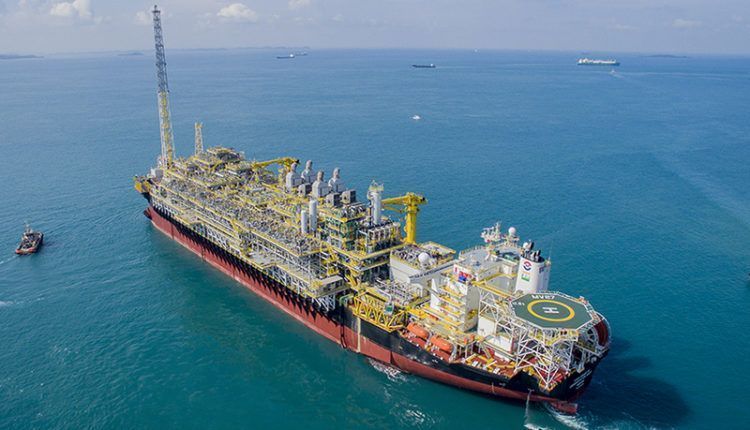
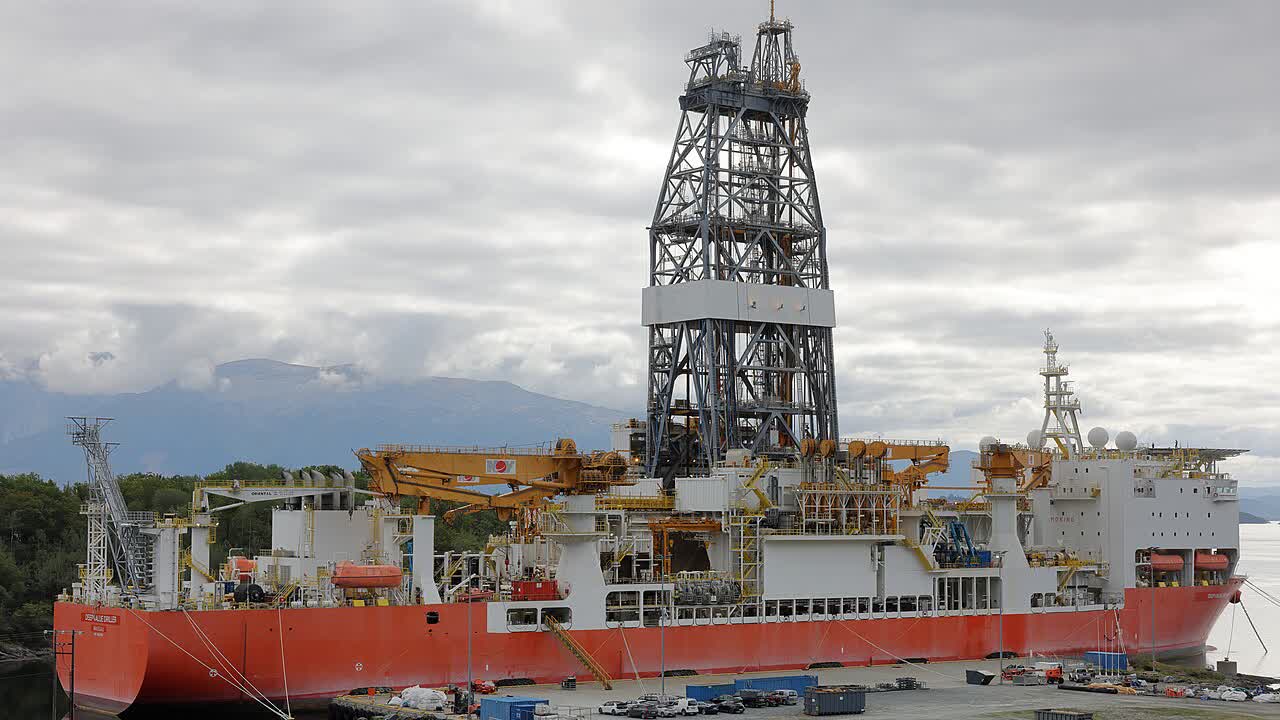
Representatives from Petrobras and MISC Berhad signed, this Friday (08/14), a Letter of Intent for the charter and provision of services for the FPSO Marechal Duque de Caxias, to be installed in the Mero Field, as part of the development of production in its southern portion, where the Mero 3 Project is located. FPSO is the English acronym for the unit that produces, stores, and transfers oil.
The FPSO of Mero 3, the third unit of the definitive system to be installed in the Mero Field, part of the Libra Block, located in the pre-salt of the Santos Basin, will have a processing capacity of 180 thousand barrels of oil and 12 million m³ of gas per day. The charter and service contracts will last for 22 and a half years, counted from the final acceptance of the unit, scheduled for the first half of 2024. The project envisions the interconnection of 15 wells to the FPSO, consisting of 8 oil producers and 7 water and gas injectors, through an underwater infrastructure made up of rigid production and injection pipelines, flexible service lines, and control umbilicals.
Other News About the Market
- US$ 28 billion in investments in the oil and gas sector! The government estimates that the amounts will be generated with the extension of contracts for mature fields both onshore and offshore
- 2 million jobs could be generated and R$ 2.8 trillion could be added to Brazil’s GDP if investments are made in the “Green Economy”
- Resume registration for all positions for job vacancies in Petrobras nitrogen fertilizers factories in Bahia and Sergipe (Fafen), today August 14
HISEP® The Libra Consortium intends to conduct a pilot test in the Mero 3 area, for the first time, of the High Pressure Separation technology (HISEP®), developed and patented by Petrobras. The equipment to be installed on the seabed will separate and reinject, using centrifugal pumps, a large portion of the carbon dioxide (CO2) produced along with the oil, allowing to “unload” the oil processing plant on the FPSO and consequently enabling an increase in oil production. HISEP® is currently in the definition and testing phase.
-
Brazil’s ANP Opens 86 New Oil Blocks in the Equatorial Margin, Expanding the Amazon River Mouth Frontier

-
OPEC+ Boosts Oil Supply by 188,000 Barrels per Day in July 2026, Leading to Price Drop from $112 to $89 per Barrel in Under Two Months

-
TotalEnergies Signs 20-Year Deal to Purchase 2 Million Tons of LNG from Alaska, Boosting Project Viability
-
Turkey Deploys Çağrı Bey Drilling Ship to Explore New Oil Frontier Off Somalia’s Coast
Mero The Mero field is the third largest in the pre-salt and is located in the Libra area, operated by Petrobras (40%) in partnership with Shell Brasil (20%), Total (20%), CNPC (10%), CNOOC Limited (10%), and Pré-sal Petróleo S.A (PPSA), which acts as the management entity for this contract. It is currently being produced through an Early Production System, composed of the FPSO Pioneiro de Libra, with a processing capacity of 50 thousand barrels of oil per day. In addition to this system, FPSOs are contracted for the Mero 1 and Mero 2 Projects, respectively named FPSO Guanabara, under construction by Modec, and FPSO Sepetiba, under construction by SBM.