Portuguese
  Spanish





The Atacama Desert, Known for Its Extreme Aridity, Is Home to Two Abandoned Hydroelectric Plants That Hold Fascinating Stories of a Lost Industrial Past.
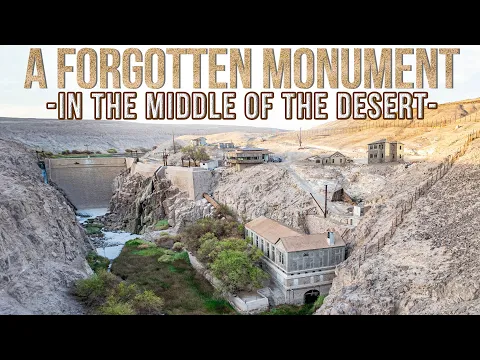
The Atacama Desert, known for its extreme aridity and crystal clear sky, also holds fascinating stories from the industrial past. In the late 19th and early 20th centuries, the performance of this region played a crucial role in the production of salt, an essential element for fertilizers and explosives. In the heart of this arid landscape, low-flow rivers served as a foundation for the construction of hydroelectric plants that influenced this industry.
Today, these hydroelectric plants are abandoned, but they continue to be striking remnants of an important chapter in history.
Relics of the Hydroelectric Plants
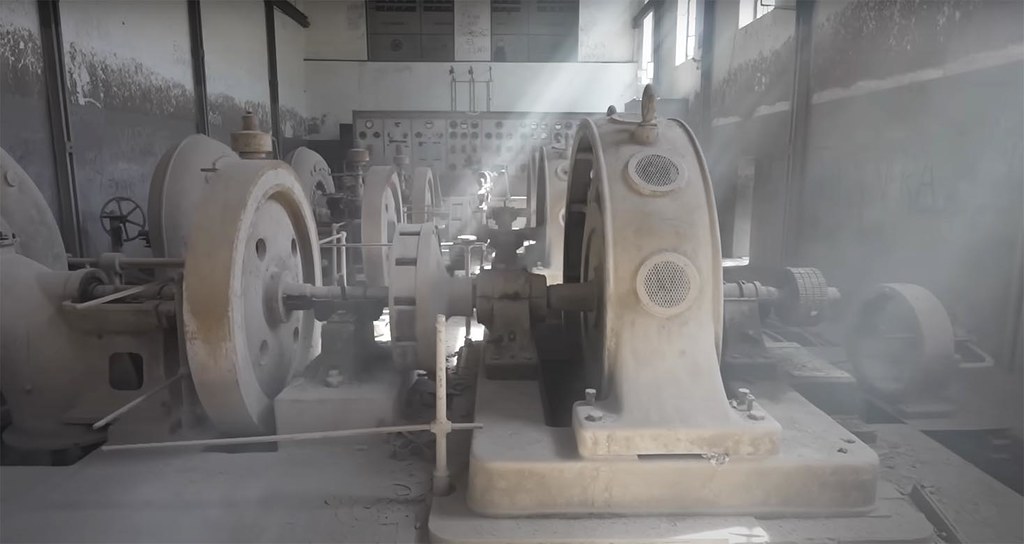
The series Exploring the Untrodden Path brought to light two of these hydroelectric plants. The first, built in 1905 and commissioned in 1911, operated until 1956. It is currently cataloged as a historical monument, although the abandonment has allowed for the looting of several of its elements. Despite this, the structure remains impressive, with an intact reservoir and three Voith turbines of 500 HP made in Heidenheim.
-
Farewell to Toilet Paper? New Technology Sparks Debate on Bathroom Habits

-
Young Entrepreneur Who Started Recycling Bottles at Age 3 Becomes Environmental Icon in the U.S.

-
Nivea Blue Tin Cream: Popular Post-Beach and Pool, But Pharmacist Warns About Missing Ingredients and Common Summer Mistakes Regarding UVA and UVB Protection.
-
Archaeologists Recover Colossal Structure Lost for Over 1,600 Years Under the Sea, Including 22 Monumental Blocks Weighing Up to 80 Tons, Intriguing Experts.




The second plant, built in 1898, ceased operations in 1929. It had two turbines, and its reservoir can still be found. However, the lack of oversight contributed to the advanced state of disrepair that it is in today.
A Sky That Captivated
Besides the industrial relics, the Atacama Desert is world-renowned for another reason: its unparalleled astronomical visibility. The aridity of the climate and the altitude make the night sky remarkably clear, allowing for a stunning view of the Milky Way. The site hosts the largest astronomical project in the world, the Atacama Large Millimeter/submillimeter Array (ALMA), a complex of telescopes that investigates the mysteries of the universe.
Between Stars and History
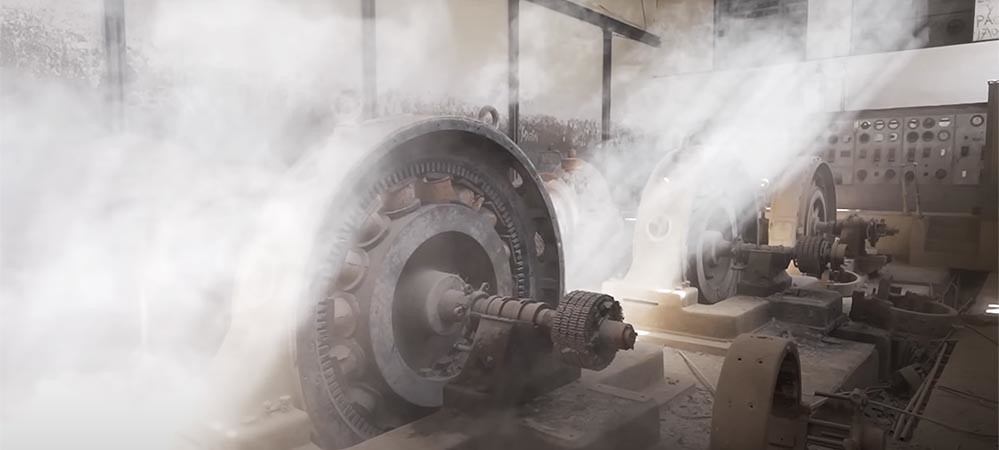
The images captured in the video highlight the contrast between the monumental engineering of the early 20th century and the untouched nature of the desert. The first plant, with its structure still partially preserved, impresses with its size and resistance to time. The second, even in a more precarious state, continues to fascinate due to its historical value.
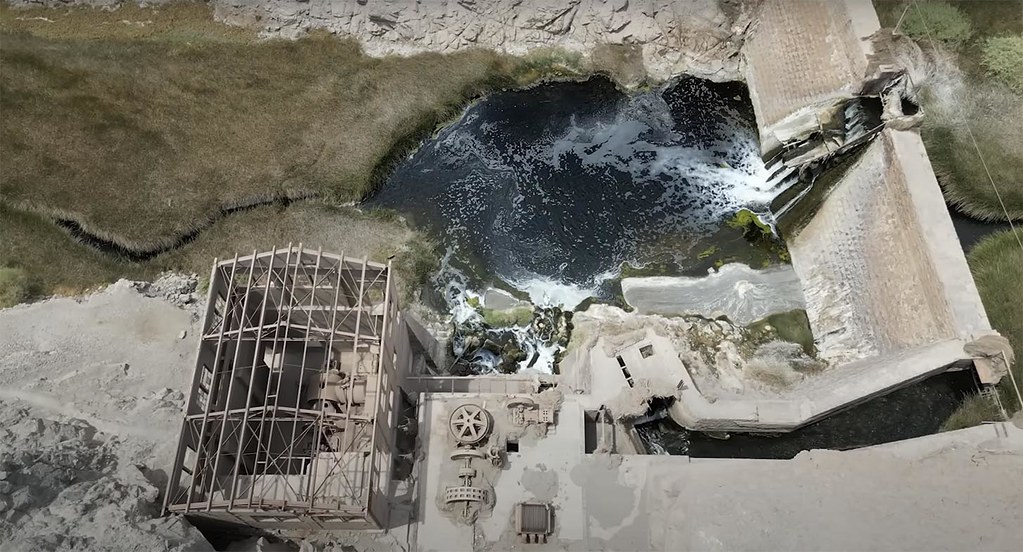
Although many elements have been lost to looting and vandalism, the hydroelectric plants remain symbols of a period of great economic and social transformation. And above them, the sky of Atacama, eternal and untouched, witnesses both the past and the present, connecting the history of humanity to the vast cosmos.
With its industrial relics and unparalleled landscapes, Atacama is not just a desert: it is an open-air museum and an invitation to explore the stars.