






 Portuguese
  Spanish



The New Solar Cells Are Thinner Than Hair and Can Ensure Energy Production on Any Surface. The MIT Group Now Moves on to Testing the Project on Various Materials for Verifying Its Practical Viability.
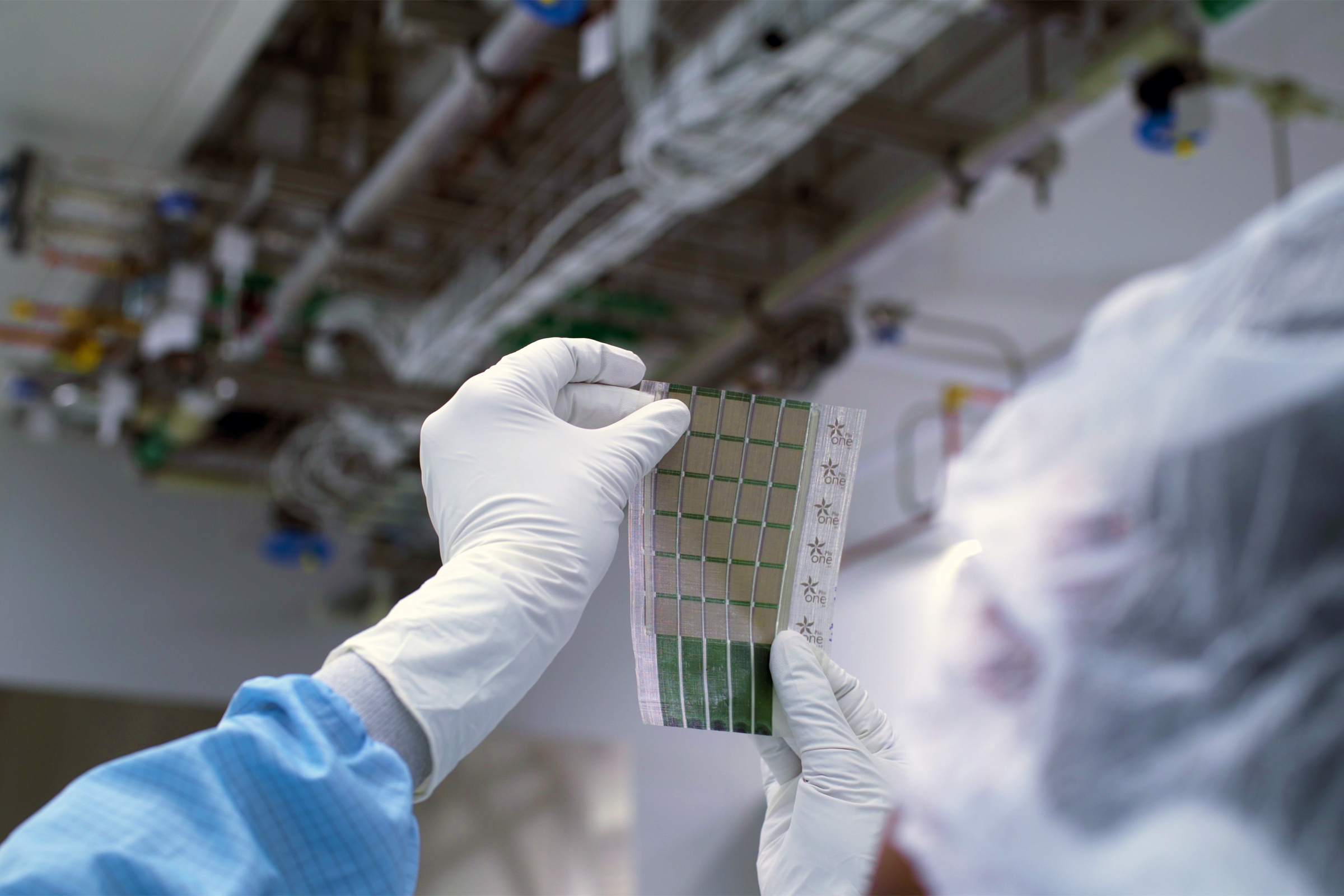
Aiming for the future of technology and innovation, a development group at MIT is, this Monday (01/23), making a new bet for the energy sector. This is a project for solar cells thinner than a human hair, which can be applied to any surface for energy production. They are produced from flexible nanomaterials that are easy to apply. The next phases of testing for the project are already underway.
Learn a Little More About This Creation That Promises to Revolutionize the Solar Energy Sector

MIT’s Solar Cell Project Promises to Revolutionize Energy Production in a Practical and Optimized Way on Any Surface
The search for new solutions for solar cell production has been a major focus for research groups worldwide.
They allow for greater applicability of solar energy panels for optimized and sustainable energy production on various surfaces.
-
Near a $750 million AI data center in Brazil, a resident’s well runs dry, leaving her unable to afford the $25,000 needed for repairs.

-
16-Year-Old from Brazil’s Sertão Wins Young Scientist Award for AI Predicting Rainfall with 94.5% Accuracy to Aid Farmers
-
Netherlands Reports First Child Euthanasia Case Since Rule Expansion for Minors

-
Brazilian Innovator Survives Homemade Submarine Dive in Paraty Despite Hatch Leak and False Oxygen Alarm


Now, a group of scientists at MIT is betting on the future of the international energy market with solar cells made from nanomaterials.
They are thinner than hair, applied to an ultra-light fabric that allows any surface to become a source of energy.
Due to their nanoscale size, they weigh one-hundredth of traditional solar panels. However, they have the capacity to generate about 18 times more energy than these panels.
One of the main advantages of the solar cells from MIT’s project is their composition, as they are produced from semiconductor inks through printing processes.
This way, they become more flexible and durable, allowing for energy production on surfaces such as boat sails and drone wings.
Unlike traditional silicon solar cells, which are fragile and require encapsulation in glass and support structures made of aluminum, these new solar cells are made from nanomaterials.
These characteristics make this project one of MIT’s major bets for the future of large-scale solar energy production worldwide.
The team of scientists can provide a model of solar cells that will revolutionize the entire global market.
MIT Team Prepares for Application Testing of Solar Cells on Different Materials in the Next Steps of the Project
Despite being quite efficient, the MIT group encountered an initial problem in the development of the solar cells: their handling.
This is because, being thin and fragile, they were at greater risk of tearing easily. However, the team sought a lightweight, flexible, and durable way to deploy these cells.
As a result, Dyneema was chosen, a material made from fibers that weighs only 13 grams per square meter and has been used even to lift a ship from the ocean floor.
After all initial tests for the use of the material, it was found that the solar cells could produce 730W per kilogram when used individually. Or about 370W per kilo when used in conjunction with Dyneema.
The durability of the product is one of the great differentiators of the project, as it has been shown that after rolling and unrolling a solar panel made of fabric 500 times, the cells retained more than 90% of their initial capacity.
Now, the MIT team is moving on to testing the application of solar cells on different materials, aiming to verify the viability of large-scale energy production.





