Portuguese
  Spanish



Large Capacity Ship, Advancement of Chinese Automakers, and Expansion of Electric Offering Move the Logistical Strategy That Connects China, Europe, and Brazil.
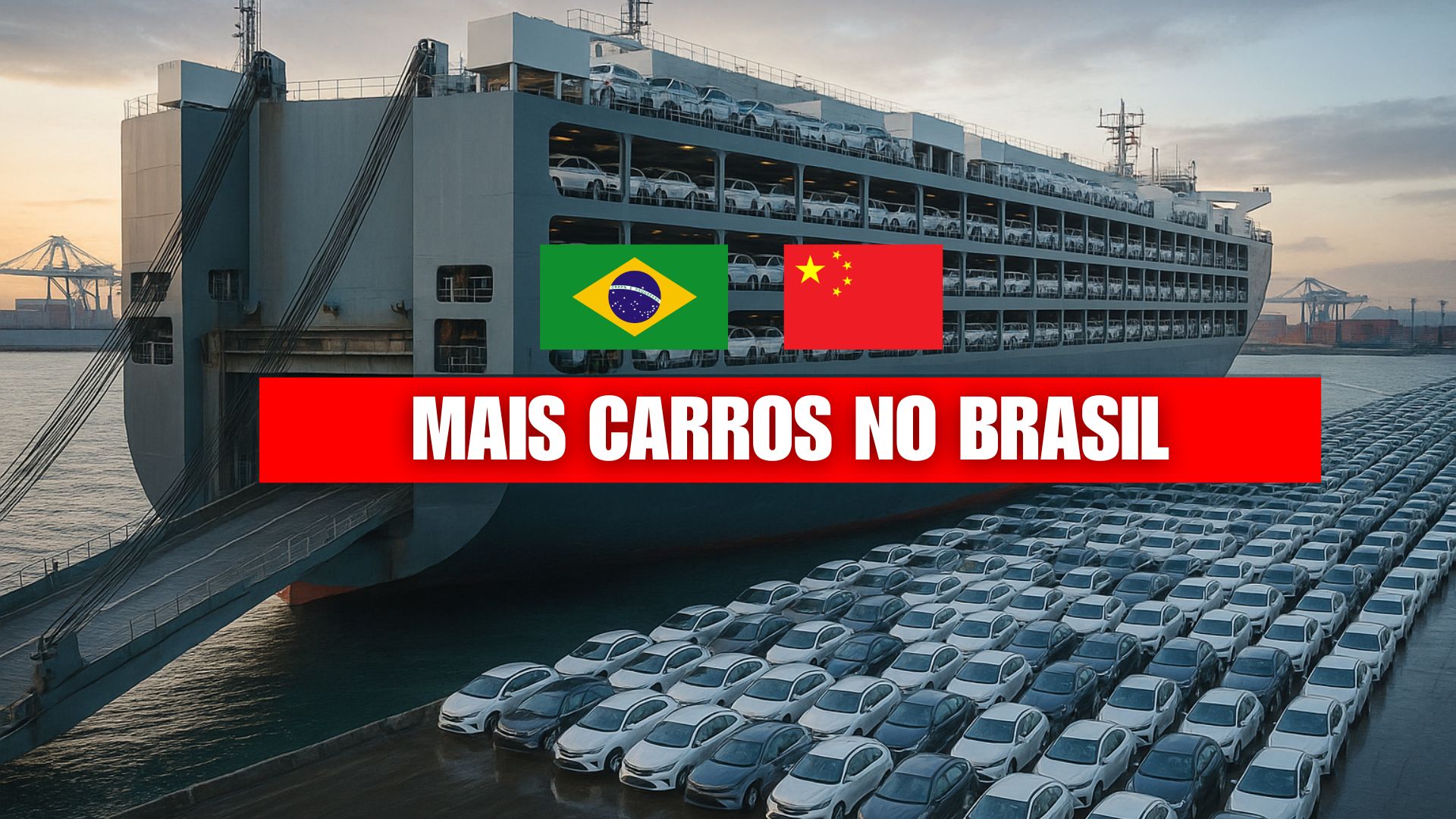
Geely confirmed that the car carrier Jisu Fortune, with a capacity to transport about 7,000 vehicles per trip, is to be incorporated into commercial routes between China and Brazil.
The initiative accompanies the automaker’s advance in the national market and mirrors the strategy adopted by other Chinese manufacturers, such as BYD, which already operates its own ships for vehicle transport.
Jisu Fortune and the Capacity to Transport Vehicles
The Jisu Fortune is a Ro-Ro (roll-on/roll-off) ship, designed for loading and unloading cars via ramps.
-
21-Year-Old Moves Back to Parents’ Home in Arizona, Finds New Private Apartment in Converted Garage as Families Tackle U.S. Housing Pressures

-
Innovative Container Studio in Brazilian Beach Town Thrives with High Demand and Plans for Expansion
-
Brazil Opens Permanent Tax Office in Beijing to Streamline Trade and Combat Customs Fraud with China, Its Largest Trading Partner

-
Eco-Friendly Brick Mini-Factory Fits in a Garage, Starts with a $1,800 Press, Produces Bricks for $110 per Thousand and Sells for Up to $290





The vessel is approximately 200 meters long and has multiple decks, allowing the transport of passenger cars, trucks, and other commercial vehicles, according to information released by Geely.
Launched in May, the ship initially departed from Taicang, China, heading to Europe, carrying around 5,000 vehicles from brands integrated into the group, such as Geely, Zeekr, Smart, Lotus, and Farizon.
The total capacity, according to the automaker, will be utilized fully depending on the demand for upcoming routes.

The vessel operates on a dual fuel system, which allows the use of traditional fuel oil or liquefied natural gas (LNG).
The company claims that the use of LNG reduces emissions compared to conventional fuels.
Experts in maritime logistics explain that the sector has increased the use of natural gas as an alternative to minimize the environmental impact of transporting large loads.
Geely Includes Brazil in Its Global Route
After prioritizing the supply of European markets, where the group controls traditional brands that currently maintain part of production in China, Geely has begun to include Brazil among the considered strategic destinations.
The automaker resumed operations in the country with the electric SUV EX5 and announced the arrival of the EX2, a compact 100% electric model positioned in lower price ranges than some versions of the BYD Dolphin.
With the expansion of the electric vehicle offering in the Brazilian market, the company announced that the Jisu Fortune will be used on routes that include South America.
Representatives from the automotive sector state that the entry of a dedicated car carrier ship is expected to increase shipment regularity and reduce logistical costs, especially during peak demand periods.
The logistical expansion occurs parallel to the industrial partnership between Geely and Renault in Brazil.
The Chinese company has begun to integrate the operation of the French manufacturer in the country, which includes access to the factory in São José dos Pinhais (PR).

Industry analysts believe that the combination of local production and large-scale imports could increase the volume of vehicles available to the dealership network.
Growth of Chinese Exports Pressures Maritime Transport
The increase in vehicle exports from China in recent years has caused, according to specialized consulting firms, a mismatch between the demand for transport and the global supply of Ro-Ro ships.
International trade reports indicate that Chinese automakers have started investing in their own fleet to ensure continuous shipments, as ships available in the global market have long waiting lines.
The International Trade Members Association (WITA) points out that the growth of Chinese production, combined with trade barriers in mature markets and the search for new destinations, has led manufacturers to invest in verticalized logistics, including the direct operation of car carriers.
According to the entity, controlling transport capacity reduces dependence on third-party carriers and increases delivery predictability.
By operating the Jisu Fortune on regular routes, Geely gains control over an essential step in the logistics chain.
Experts say this could decrease freight costs and reduce delays, especially during times of congestion at ports or high export volumes.
Own Fleets Gain Strength Among BYD, MG, and SAIC
The strategy resembles initiatives from other Chinese manufacturers.
BYD has already put various large-capacity Ro-Ro ships into operation, such as the Explorer No.1 and other vessels that have been making trips to Europe and Brazil.
The company announced plans to expand its fleet to up to eight units.

Records from port authorities and recent images show the arrival of BYD ships in the country with thousands of vehicles destined for the local market.
Industry sources explain that this type of operation allows for the acceleration of supplies to dealerships and mitigates potential impacts of tax changes on imported models.
Manufacturers such as MG and SAIC are also adopting similar measures, either through their own ships or long-term contracts with specialized carriers.
Consultants in the field state that this trend reinforces the tendency of logistical verticalization among Chinese companies, aiming to ensure maritime fleet availability amid the global increase in exports.
Impact on the Brazilian Electric Vehicle Market
The use of the Jisu Fortune by Geely occurs at a time of expansion of electric offerings in Brazil.
The EX2, aimed to compete with the BYD Dolphin and Dolphin Mini, enters a segment that is growing with the search for compact electric models.
Mobility researchers assert that interest in more affordable electric vehicles has been increasing, although factors such as income and financing rates still influence the speed of this adoption.
The combination of new models, industrial partnerships, and larger-scale logistics operations could enhance Geely’s presence in the country.
Experts emphasize that the competition among companies that control their own transport fleets is likely to impact vehicle availability and delivery timelines.