






 Portuguese
  Spanish
  5 min of reading
  2 comments


Inactive Factory in Jacareí Sparks Interest from New Brazilian Automaker Planning Hybrids with Flex Engine, Long Range, and Betting on Industrial Expansion for Two Regions of the Country.
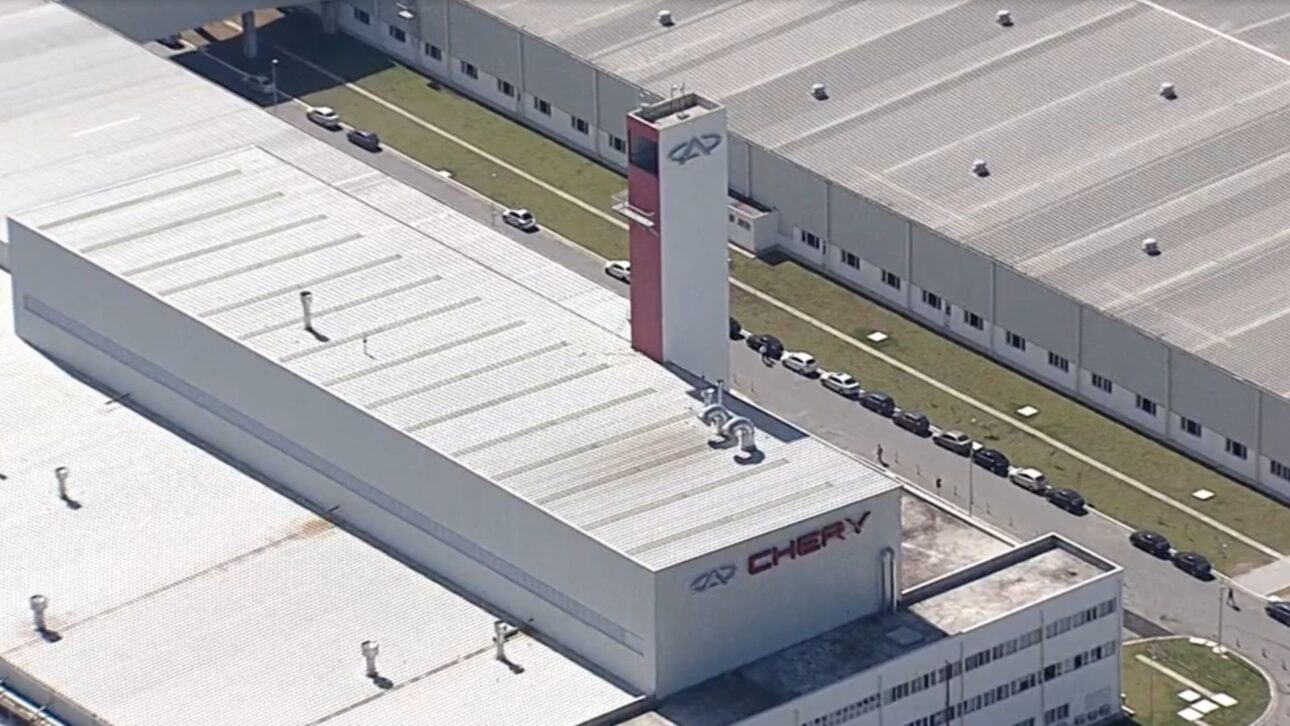
The factory of CAOA Chery in Jacareí (SP), inaugurated in 2014 as a promise to transform the city into an automotive hub, has been inactive since 2022.
The land, donated by the city hall, may be reclaimed by the municipality after an official notification for the automaker to present a reactivation plan.
-
Brazilian Joins Homeownership Consortium, Faces Decade of Dual Payments Totaling $141,000, Surpassing Traditional Mortgage

-
Land Rover to Halt Production in July, Putting 371 Jobs at Risk, as Chinese Automaker Negotiates to Convert Factory to 100,000 Vehicles Annually by 2027

-
Mexican Pest Threatens U.S. Cattle Herds at Historic Lows, Potentially Boosting Brazilian Beef Exports as Burger Prices Soar

-
Brazilian Freight Bill Progresses in Congress with $5,000 Minimum Wage, 70% Advance Payment, and Fines Up to $1 Million, as Agriculture and Industry Warn of Rising Costs and Legal Uncertainty


Dispute Over Strategic Industrial Land
The city hall of Jacareí sent two letters to CAOA Chery requesting information about resuming operations. The given deadline is 45 days.
If there is no concrete proposal, the municipality intends to initiate an expropriation process, paying compensation calculated at R$ 17.7 million — the difference between the R$ 46 million invested by the city in infrastructure and tax incentives and the current evaluation value of the complex, set at R$ 63.8 million.
The property was granted to the Chinese manufacturer in 2011, with the promise of generating over 3,000 direct jobs.
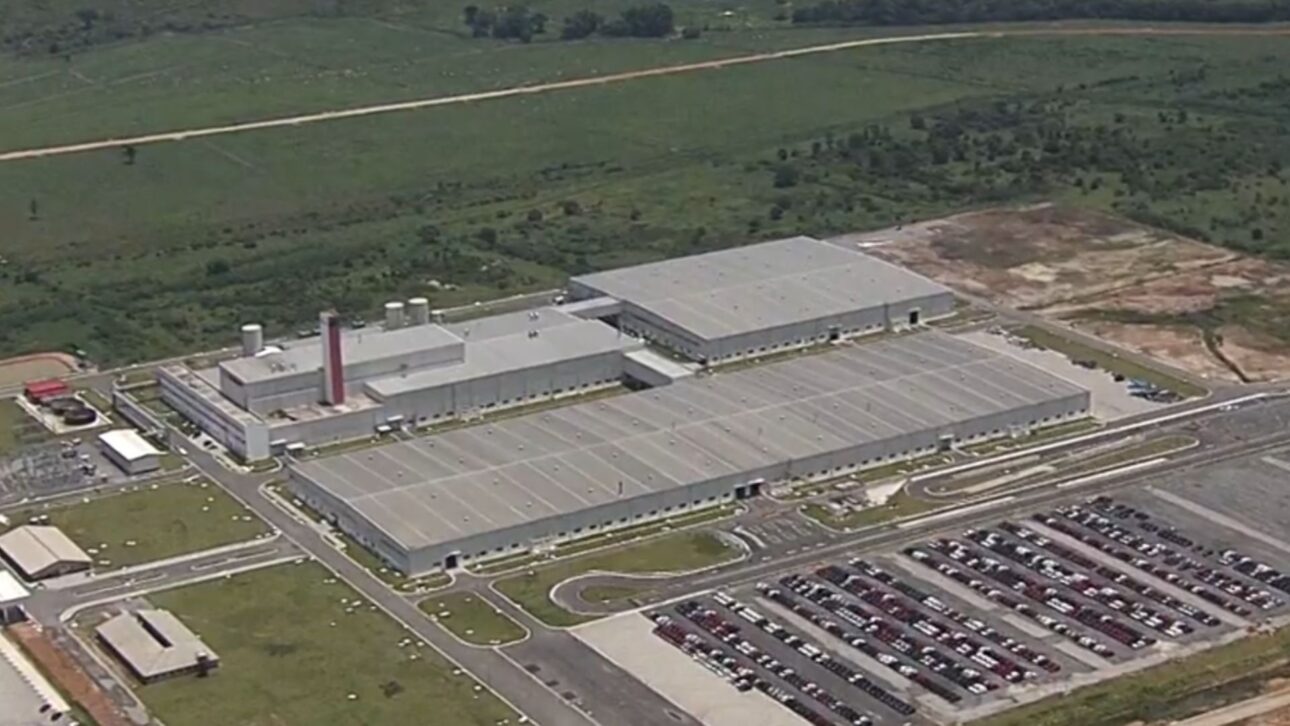
Operations began in August 2014, after an estimated investment of US$ 400 million, but did not reach the expected hiring volume. In 2020, there were only 444 employees.
Two years later, production was halted, 485 workers were laid off, and the last vehicle produced was the SUV Tiggo 3X.
Lecar Sees Opportunity for Expansion
According to information from UOL, Lecar has formally expressed to the city hall of Jacareí its interest in occupying the space.
The founder, Flávio Figueiredo Assis, states that the Jacareí plant would not replace the company’s project in Espírito Santo but would serve to increase production capacity and generate jobs in two regions.
This is not the first time Lecar has tried to take over large industrial facilities. In 2024, it contested Ford’s factory in Camaçari (BA) against BYD, but was not selected.
At that time, Flávio announced plans to invest up to R$ 8 billion and create 15,000 jobs, goals that did not advance.
Original Project in Sooretama (ES) and Delayed Timeline
Lecar maintains as a priority the construction of its first factory in Sooretama, Flávio’s hometown, with production set to begin in August 2026.
The initial promise, however, was Caxias do Sul (RS), with a start in 2024 and an expected investment of R$ 1.1 billion to launch a national electric vehicle.
The total investment is now estimated at R$ 870 million, of which R$ 90 million has already been spent on projects, consulting, and equipment.
The company is awaiting the permit to start construction and plans to outsource part of the processes, such as stamping, using existing structures in the country.
In January 2024, the founder projected producing 300 cars per month by December of the same year — a goal that was not met.
“Off-Plan Sales” and Waiting List
Without an operating factory, Lecar is structuring its sales in the “off-plan” format. Interested buyers pay R$ 9,000 to join the queue and pay the remainder 30 days before the start of production of their vehicle.
There is also a scheduled purchase option with monthly installments and delivery of the car halfway through the payment plan. In case of withdrawal, the customer pays a penalty and receives part of the invested amount back.
Flávio, referred to by supporters as the “Brazilian Elon Musk”, claims there are more than 5,000 people in the waiting line.
According to him, “80% are there for the cause“, meaning for the idea of seeing a national car on the streets, not just for the product.
Commercial Structure Before Production
Even without vehicles on the streets, Lecar opened its first dealership in São Caetano do Sul (SP) and is preparing a second one in Brasília.
The strategy envisions compact stores of up to 150 m², without their own workshops, with after-sales centralized in regional service centers.
“We want reach. We will have more stores than workshops. This reduces costs and increases presence,” Flávio stated.
The model has attracted independent retailers who have never been traditional automaker dealers.
According to the company, more than 300 entrepreneurs have expressed interest in opening new units.
Who Is Lecar and What Does It Plan to Produce
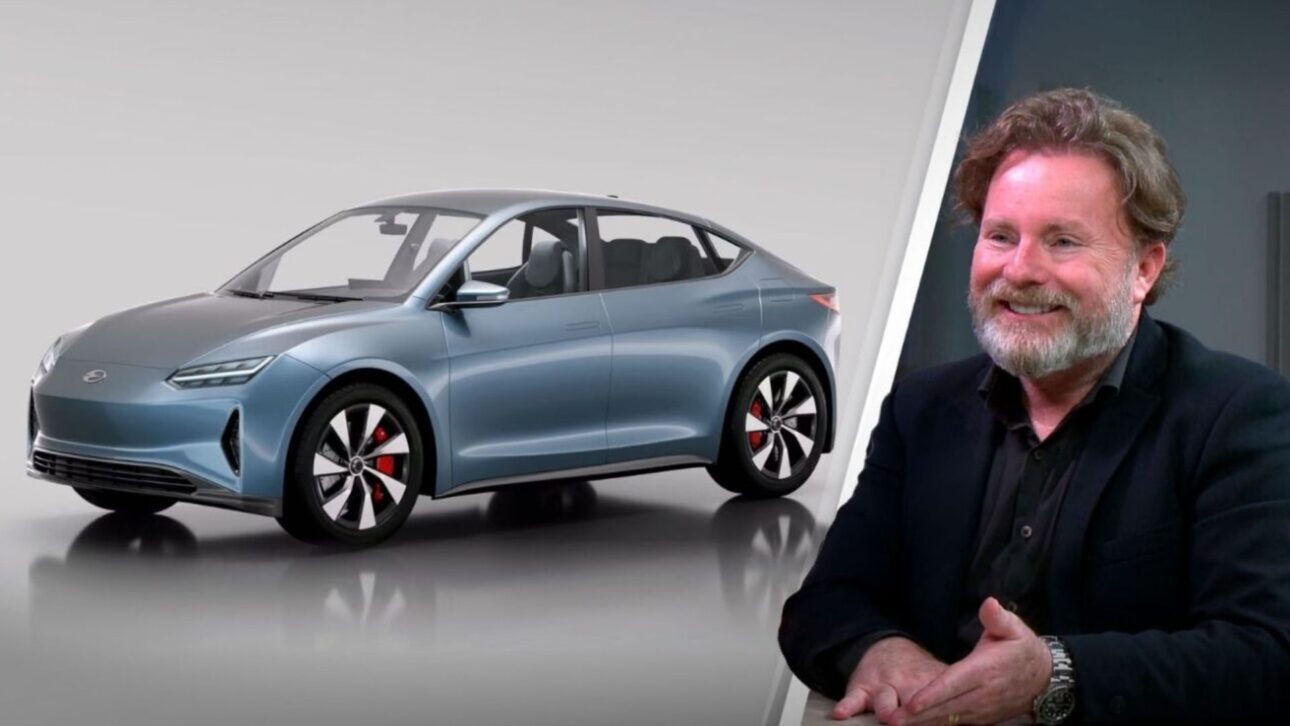
The automaker plans to launch three hybrid flex models with electric traction: the coupe Lecar 459, the pickup Campo, and the SUV TÁTICO.
All use the 1.0 turbo flex engine from Horse as a generator for the batteries, promising a range of up to 1,000 km. The 459 and the Campo will cost R$ 159,300, and the TÁTICO, R$ 189,000.
Supplier Support and Sector Partnerships
Lecar claims to have received support from companies such as GM, Renault, and Toyota, in addition to partnerships with WEG (electric generator), Horse (1.0 turbo flex engine), Grupo Randon (suspension, brakes, and shock absorbers), Maxion Wheels, Pirelli, Fanavid, Camaco, JBS Couros, Apolo (Marcopolo), and Keko.
Between Expectations and Risks
The interest in the Jacareí plant, initially revealed by UOL, is set against a backdrop of grand plans and pending execution.
The possibility of leveraging an existing structure could reduce timelines, but it depends on the outcomes of negotiations with the city hall and the legal status of the land.
At the same time, the company needs to finish its first factory in Espírito Santo, secure funding, and start production to turn reservations into deliveries.
The question is: will Lecar be able to turn this interest into a contract and accelerate the start of production of its hybrids in Brazil?





A culpa disso tudo é do sindicato do Vale do paraiba que quer briga maioria deles são já aposentados
Nunca acreditei que carros chineses fossem emplacar. Não compro e nunca comprarei!