Portuguese
  Spanish


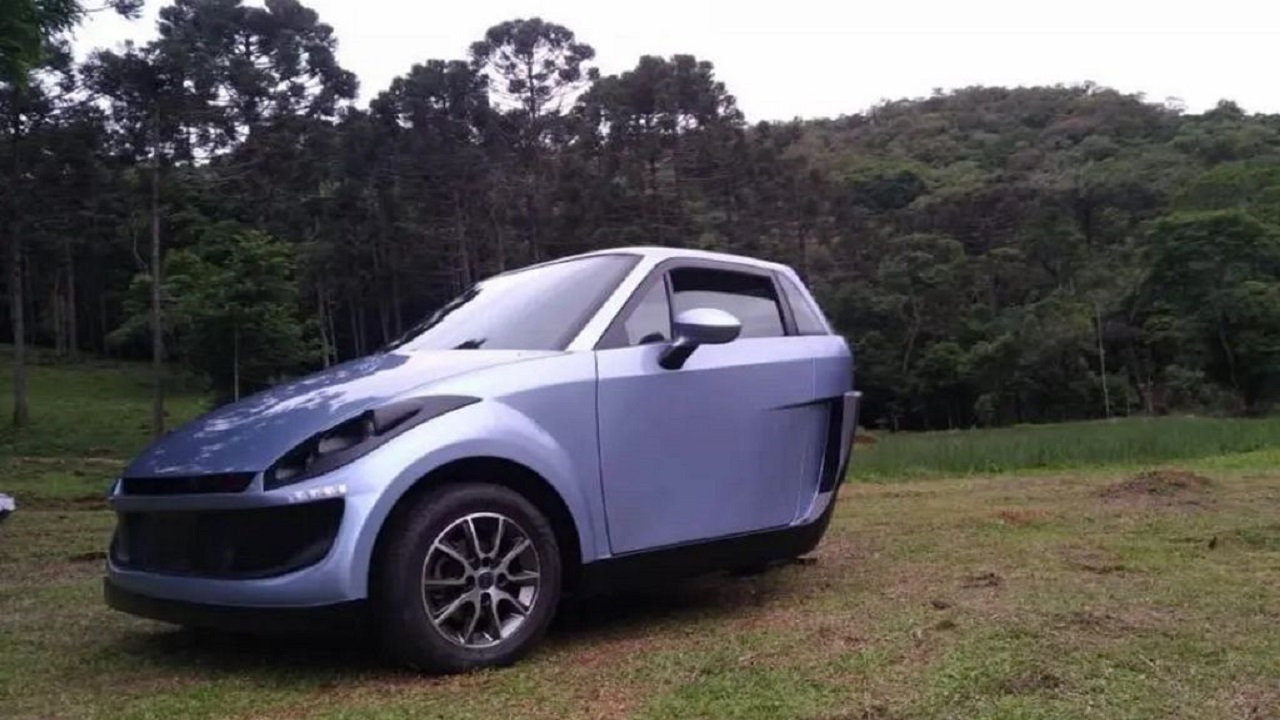

Kers, PR’s Electric Vehicle Manufacturer, Produced a Brazilian Electric Car with Totally National Parts That Could Enter the National Market as the Cheapest Vehicle of Its Kind
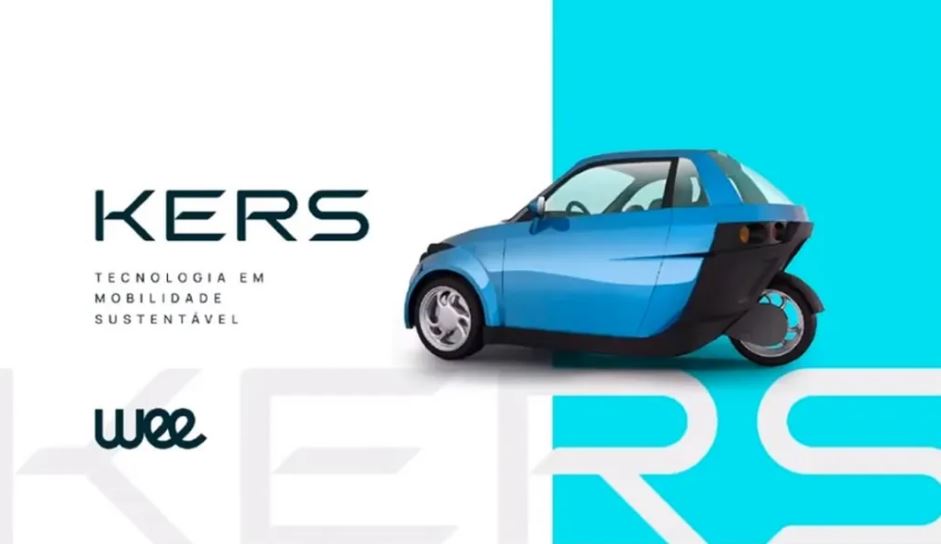
Kers, a national electric car manufacturer from PR, announced that the launch of its first model, the Wee, will be in January 2022. Totally developed and manufactured in national territory, the Brazilian electric car promises a range of up to 400 km on a single charge and is expected to be cheaper than models like JAC e-JS1, which currently holds the title of the cheapest car in the country. It is also possible that the PR manufacturer’s model will be cheaper than the future electric Renault Kwid.
Read Also
Brazilian Electric Car Will Reach 100 km/h


The intention of the PR electric manufacturer is not to compete with other manufacturers, as the Wee is an electric car with only three wheels and just two seats, aimed exclusively for urban use. Additionally, the Brazilian electric car is expected to be sold online.
The manufacturer states that, even though it will be sold over the internet, consumers will have authorized assistance in various regions of Brazil. Mechanical details of the new Brazilian electric car have not been disclosed; however, the PR manufacturer claims that the Wee will be produced with stamped steel and will have a range varying between 100 and 400 km, depending on the battery package desired at the time of purchase.
-
2027 Toyota Corolla Cross Unveiled: New Design, Enhanced Fuel Efficiency, Reduced Maintenance Costs, Advanced Technology, Connected Services, and Up to 10-Year Warranty

-
Fiat Cronos Precision 2018: Affordable Sedan with Spacious Trunk and Reliable Maintenance
-
Volkswagen to Cut Production by 1 Million Cars by 2030, Reducing Jobs and Platforms, Focusing on More Profitable Models

-
Toyota Launches First 100% Electric Car in Brazil: bZ4X with 343 HP, All-Wheel Drive, 361 km Range, Priced at $419,990 BRL, Limited to 99 Units




The maximum speed of the model will be 100 km/h. The manufacturer has also indicated that its model is expected to be equipped with semi-autonomous driving systems, although it has not detailed which ones.
New Brazilian Electric Car Will Cost R$ 95 Thousand
-

Kers Wee Kers/Disclosure -

Kers Wee Kers/Disclosure -

Kers Wee Kers/Disclosure
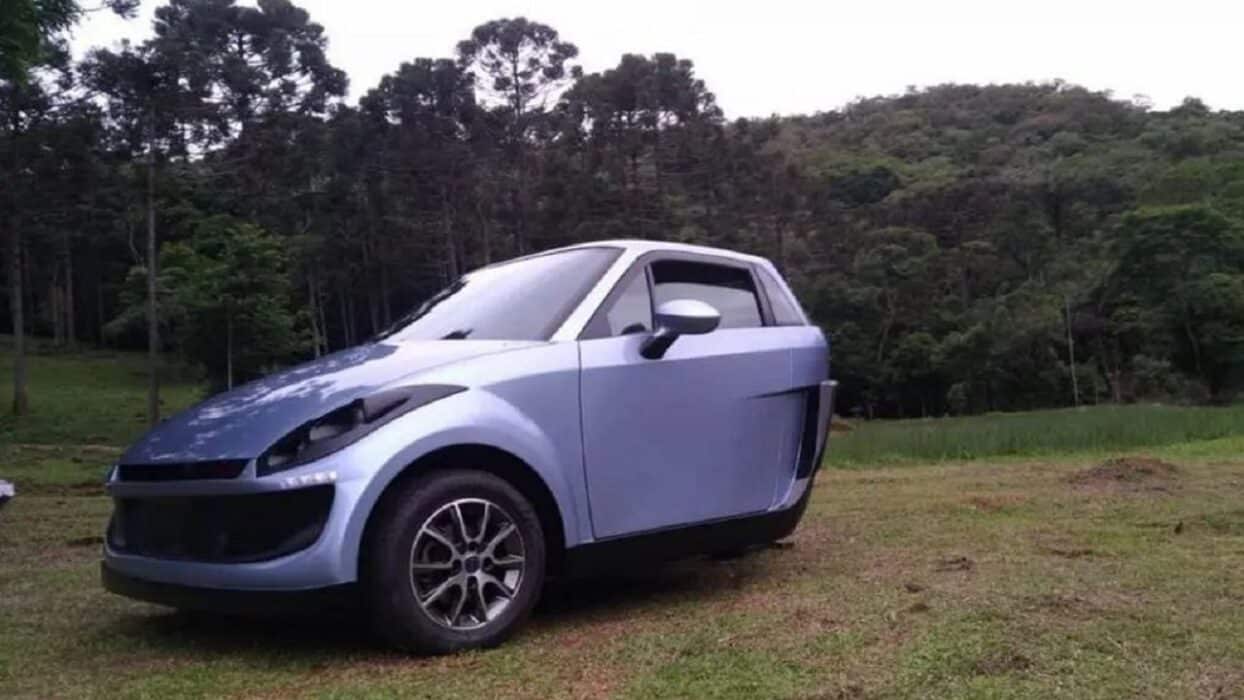
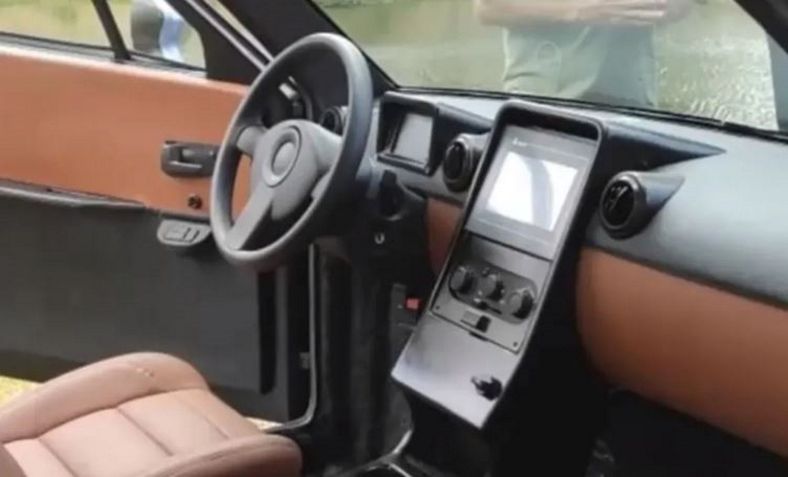
According to the PR manufacturer, the price could be around R$ 95 thousand, a significantly lower amount than the JAC e-JS1, the cheapest electric car on the national market, which starts at R$ 159,900 and promises to deliver a range of 300 km.
So far, there is no information about the investments made; however, the manufacturer’s factory will have the capacity to produce up to 10,000 cars annually, all with totally national parts. All the tooling for the manufacture of the Brazilian electric car has already been purchased, and production will be carried out by a modular assembly line system, which will have the consulting of engineers from Karmann-Ghia.
Company Will Be Based in Maringá
The production of the Brazilian electric car is virtually certain to begin in Maringá (PR), according to the Secretary of Innovation, Tourism, Economic Acceleration, and Communication of the Municipality, Marcos Cardiolli. However, the Maringá Administration states that the project’s installation is not confirmed and solely depends on investors’ interest in the business.
The PR manufacturer’s project, which has the support of the Superintendence of Science, Technology and Higher Education of the state, the Inbramol Institute, and Unioestes, even includes the recycling of the electric model and its components.
The Wee was presented this Friday (26) to some potential investors and businesspeople. According to the Secretary, the initiative shows that Maringá is growing and moving beyond agribusiness and digital technology.