






 Portuguese
  Spanish


Published by the Sebrae News Agency on March 10, 2026, the story of Vilmara Ramos da Costa shows how cocoa gained space in the Entre Rios community, in Caroebe, with management, association, local sales, school meals, and technical support to recover crops and plan family expansion in the countryside.
Cocoa became one of the main bets of Vilmara Ramos da Costa, a 49-year-old rural producer, mother of five children, resident of the Entre Rios community, on Vicinal 15, in Caroebe, in the south of Roraima.
According to the Sebrae News Agency, Vilmara was born and raised connected to agriculture, lived in the city for a while but did not adapt and returned to the countryside. Today, the property includes crops such as banana, pumpkin, gherkin, okra, watermelon, cassava, and cocoa.
Cocoa planting began as a production alternative
The cocoa planting began around 2018, motivated by Vilmara’s curiosity and the search for new alternatives within the property. The crop began to occupy space in the producer’s plans, who was already working with other foods in family farming.
-
1,800-year-old Roman clogs appear almost intact in Vindolanda and reveal the simple trick that protected soldiers in hot baths.

-
Bahrain sank a 70-meter Boeing 747 to a depth of 22 meters, transformed aircraft scrap into a 100,000 m² underwater park, and created an attraction where divers enter a plane at the bottom of the sea as if it were a movie set.

-
11-year-old girl ran barefoot with her feet covered in adhesive tape because she didn’t have sneakers, won three athletics events, and received help after moving the world

-
Engineer Transforms Coconut Farm in Brazil into Sustainable Business, Processing 1,000 Coconuts Daily and Innovating with Dragon Fruit-Flavored Ice


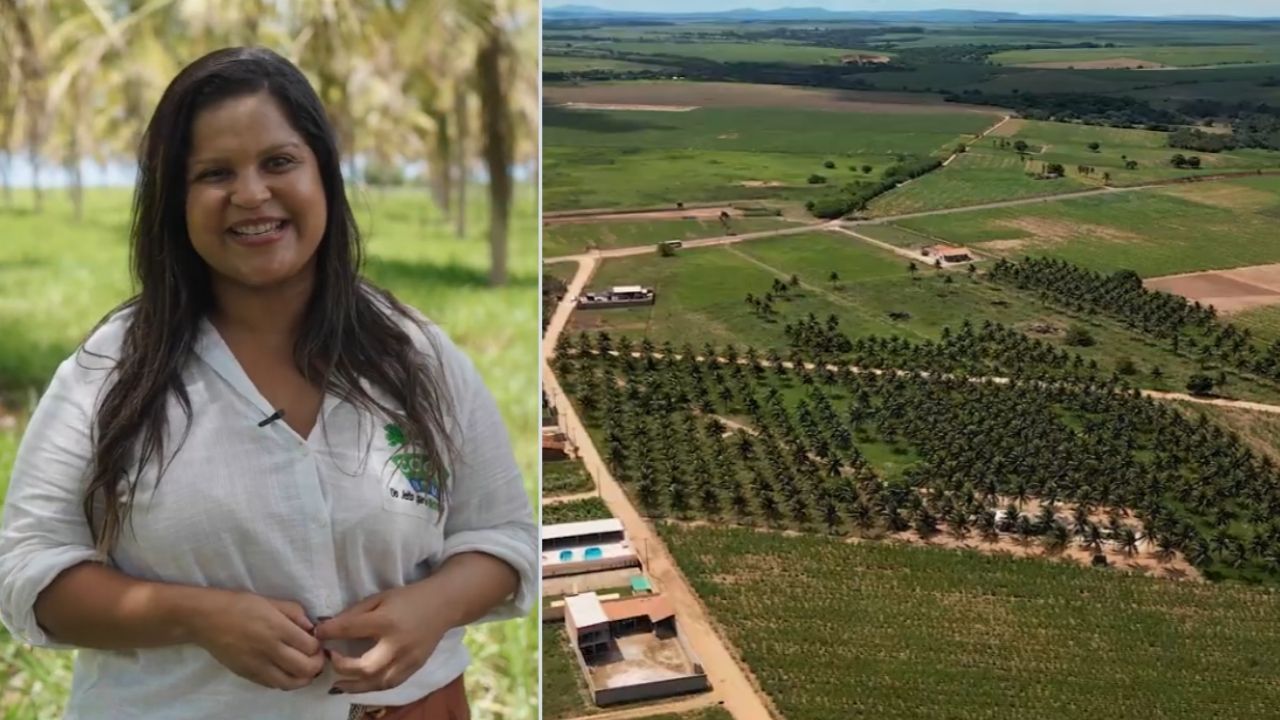
Initially, the lack of adequate technical guidance made management difficult. Part of the crop was lost, and the cultivated area had to be reduced. Even so, Vilmara kept the crop on the property and began to reorganize the planting with more technical knowledge.
940 plants produce while new seedlings grow
Currently, Vilmara claims to have about 940 cocoa plants producing. The producer has also started a new phase, with more than 1,400 seedlings developing to expand the productive area again.
This progress shows an important change in the way of working the crop. The producer not only maintained the cultivation after the initial losses but began to plan the expansion with monitoring, management, and organization of production.
Technical support began to improve crop management
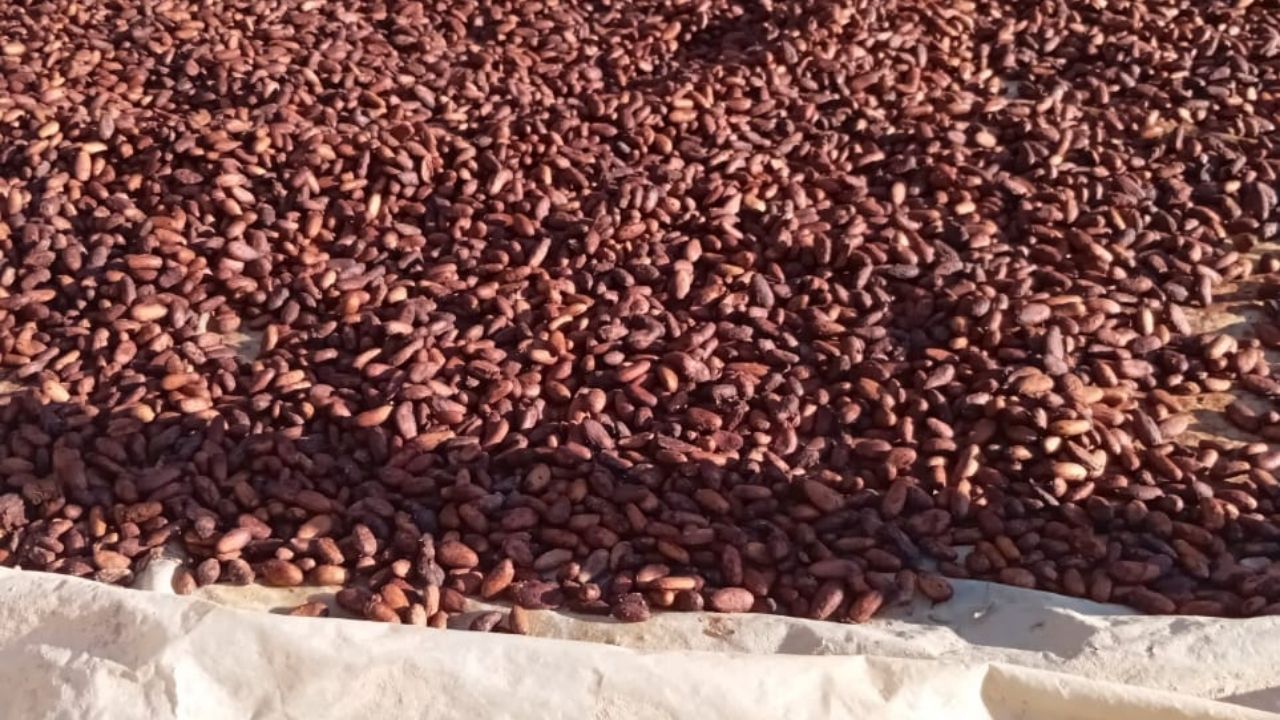
Almost two years ago, Vilmara joined the Cacau Amazônia project, carried out by Sebrae and partner institutions, including the Instituto de Assistência Técnica e Extensão Rural do Estado de Roraima, Iater.
The producer receives monthly consultations aimed at strengthening agricultural production in the region. According to her, the consultant provides guidance on fertilization and crop management for bananas, oranges, and cocoa. This support has helped correct practices and improve care for the plantation.
Rural production sustains family income
Agriculture is now Vilmara’s main source of income. Part of the production is sold to middlemen, another part goes to the local market and also to school meals through producer associations.
Vilmara participates in the Association of Rural Producers of Entre Rios, which helps organize the commercialization of food in the region. Besides cocoa, the producer sells bananas, vegetables, and fruits, creating a diversified income within the property.
Women participate in production and sales
In the community, Vilmara observes the growing presence of women in agricultural activities. According to the producer, women participate in planting, harvesting, and also in the commercialization of food.
She reports that, in the association, groups of women are directly involved in delivering products for school meals. There are women producers, drivers, and those responsible for transporting the food. Women’s participation appears as a practical part of the economic routine of the countryside, not just as family support.
Caroebe appears on the cocoa map in Roraima
Vilmara’s case also shows how cocoa can gain space in family farming areas in southern Roraima. In Caroebe, the crop adds to other foods already cultivated by the producer, expanding income possibilities within the same property.
The Cacau Amazônia project enters this context as support to strengthen crops, organize management, and expand technical knowledge. For small producers, this type of support can reduce losses and increase security when expanding planting.
Returning to the Farm Became a Work Decision
Vilmara’s return to the countryside appears not only as an emotional choice but as a decision linked to production, income, and family routine. She states that she enjoys living and working in the countryside, where she has built her path since childhood.
The producer acknowledges that work in the field is intense, especially under strong sun, but associates the harvest with the concrete result of daily dedication. In the case of cocoa, the goal now is to continue learning, recover what was lost, and expand production with more security.
What This Story Shows About Family Farming
The journey of Vilmara Ramos da Costa shows how a rural property can strengthen when it combines diversification, association, technical assistance, and planning. Cocoa entered as an alternative, faced initial losses, and now appears as an expanding crop within the family income.
The case also raises an important question for other regions of Brazil: how many small properties could grow if they had more access to technical guidance, sales organization, and support to recover crops? Do you think cocoa could become a stronger alternative for family farming in Roraima? Leave your opinion in the comments.


