Portuguese
  Spanish


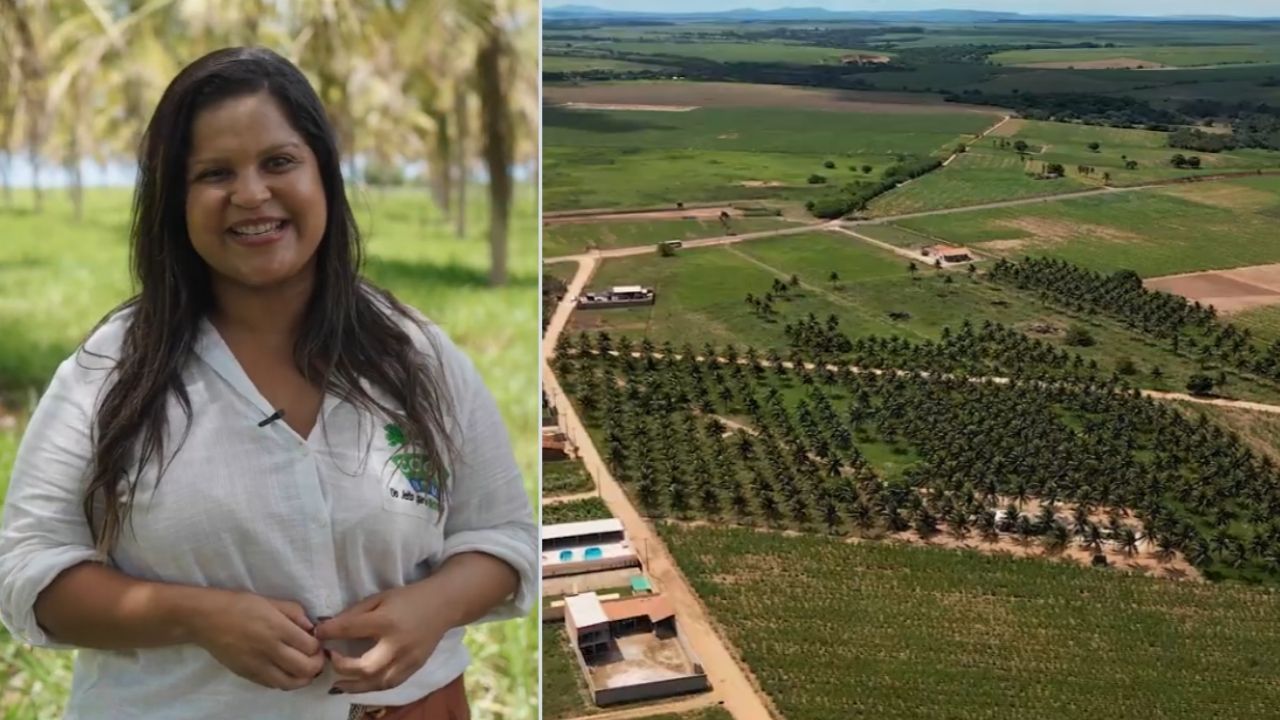

The story of Tatiana Nascimento, published by the Sebrae News Agency on March 29, 2025, shows how coconut became the foundation of Coco Bom in Penedo, with coconut water, flavored ice, own pitaya, variable daily processing, and full waste reuse with local support from Sebrae Alagoas.
The coconut ceased to be just part of a family plantation in Penedo, in the interior of Alagoas, to become the foundation of Coco Bom, a brand structured by Tatiana Nascimento, a petroleum engineer who returned to the field and started working as a rural producer.
According to the Sebrae News Agency, Tatiana transformed an area previously used as pasture for cattle into a business of coconut water, flavored ice, and sustainable production. In the Sebrae Alagoas video, she states that processing can vary according to orders and reach about 1,000 coconuts per day.
Coconut plantation left the pasture and became a structured business
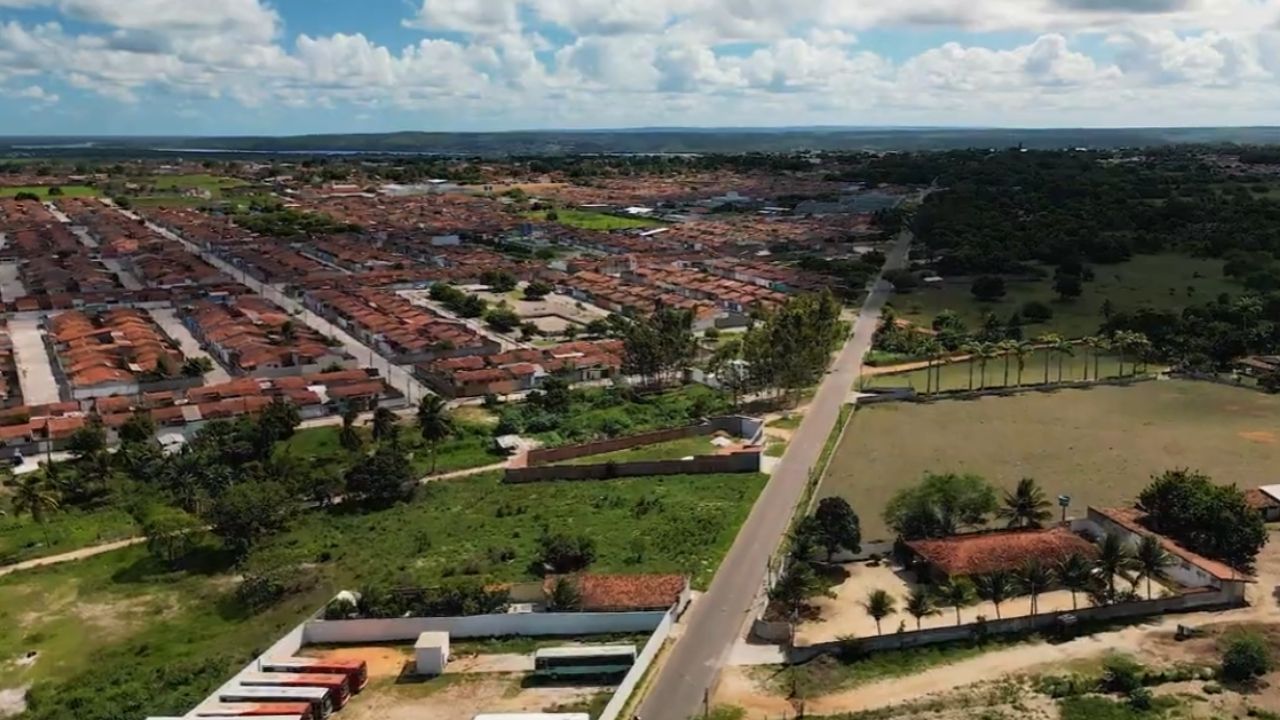
Before Coco Bom gained packaging, labels, and a formal process, the family property was a coconut plantation without structured commercial use. The area had started with Tatiana’s grandfather and, according to ASN, was used as pasture for cattle.
-
From TV Host to TikTok Real Estate Mogul: Brazilian Sells Luxury Homes Worth Up to $22 Million to 1.8 Million Followers

-
14-Year-Old Student Wins Gold at Brazil’s Largest Math Olympiad After Six Months Without a Math Teacher, Becomes Sole Medalist from His City

-
Brazilian YouTube Sensation “Galinha Pintadinha” Celebrates 20 Years, Amassing 65 Million Subscribers and $700 Million in Annual Revenue

-
Fifth-grader’s Project Turns Used Cooking Oil into Over 160,000 Gallons of Biodiesel, Cuts CO₂ Emissions, and Inspires Law in Rhode Island


The change happened when the sale of coconut water, initially started simply by Tatiana’s father, began to show potential. In three years, the entrepreneur standardized production, created a brand identity, and began selling to supermarkets, events, and two federal institutes through the National School Feeding Program.
Coconut water underwent standardization before entering the market
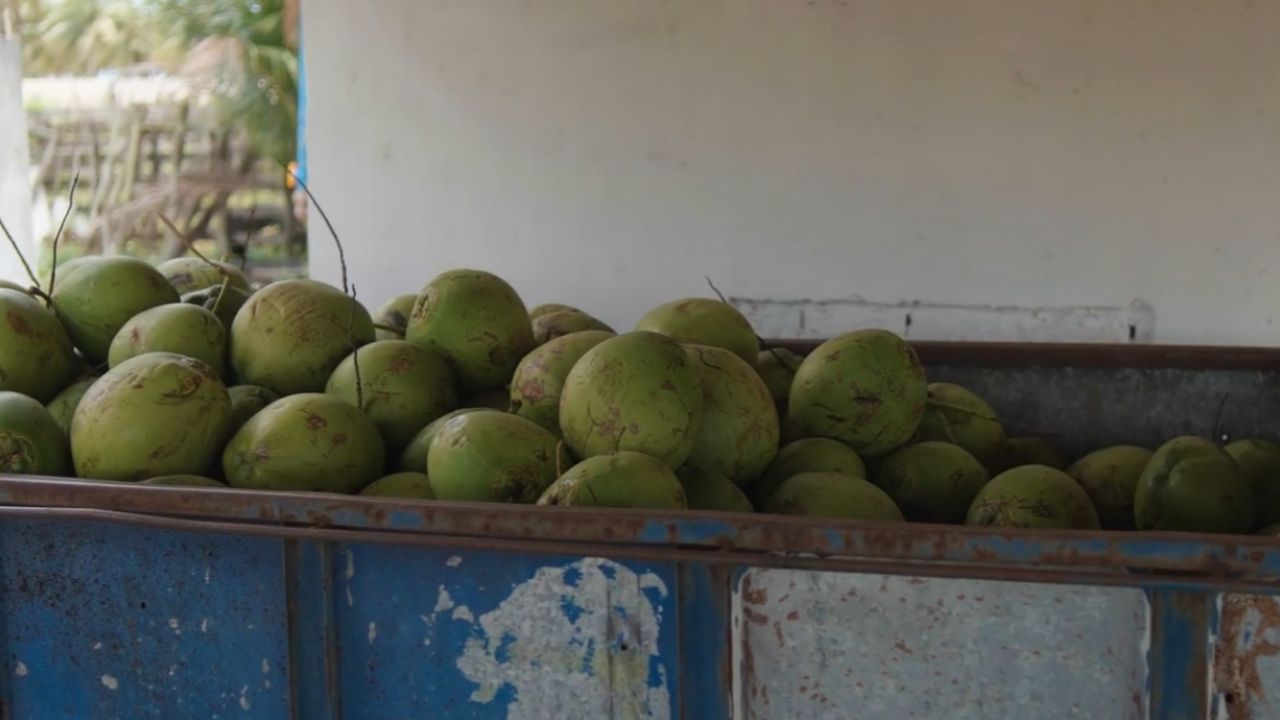
Initially, the sales were informal, with coconut water sold in reused PET bottles. The business gradually gained structure with packaging, labeling, barcodes, and processes geared towards the food sector.
In the video, Tatiana explains that the harvested coconut undergoes sanitation before entering the factory. The process includes chlorine washing, manual washing to remove residues, and another water wash before cooling and bottling. The operation stopped relying solely on harvesting and started functioning as an organized production chain.
Processing can reach up to 1,000 coconuts per day
The production routine varies according to demand. In the Sebrae Alagoas video, Tatiana states that the number opened per day can range from 100 to 800, reaching about 1,000 coconuts, depending on the order flow.
This data shows the size Coco Bom has reached by transforming local raw material into a commercially viable product. The company works with coconut water and also uses the fruit base to create new items, expanding the portfolio without abandoning rural production.
Pitaya-flavored ice became the brand’s flagship
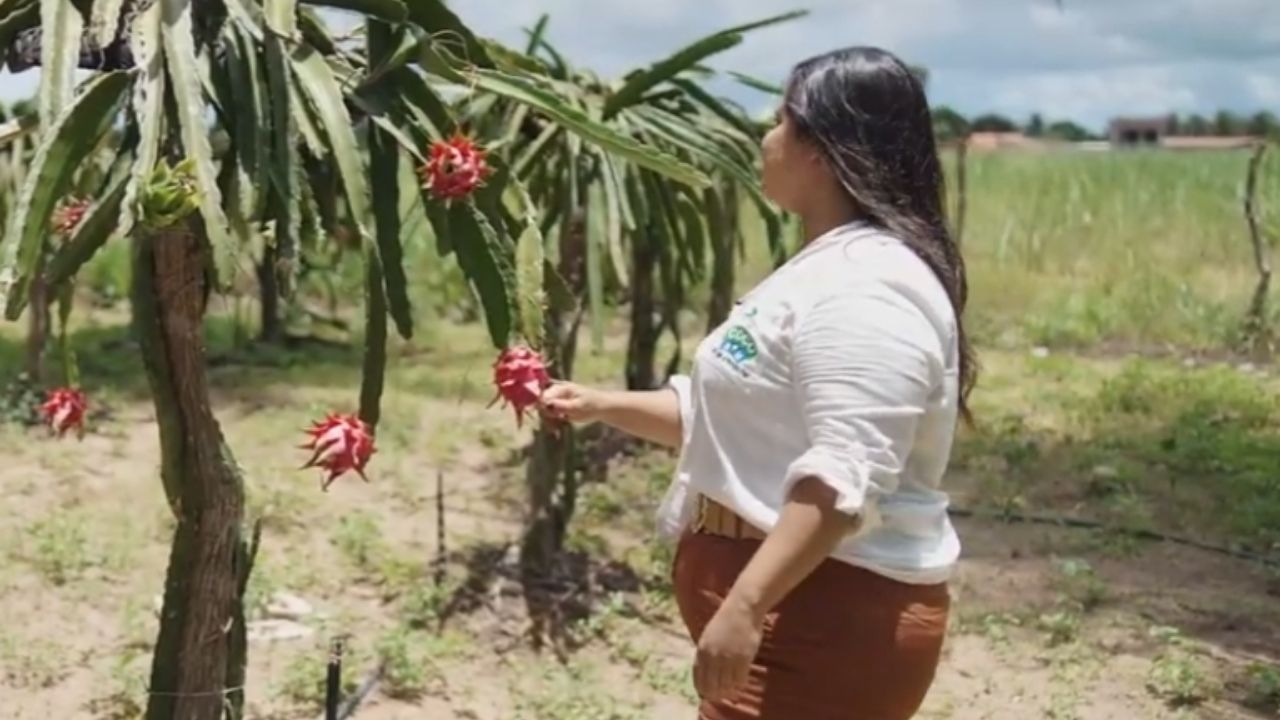
The most striking innovation from Coco Bom came with the flavored ice of coconut water with fruits. According to ASN, the idea arose during the pandemic, when home celebrations and drinks prepared by consumers themselves created space for a practical and different product.
The pitaya and kiwi ice became one of the company’s highlights. Later, Tatiana decided to plant pitaya to reduce dependency on purchasing the fruit out of season. The property has about 400 pitaya plants, used entirely in the production and commercialization of flavored ice.
Coconut residues return to the coconut groves as fertilizer
A sustainability also entered the model of Coco Bom. Tatiana states that the company reuses 100% of the coconut waste: fibers and shells are transformed into fertilizer and return to the coconut groves.
In the video, she details that the processed coconut goes for shredding and composting, forming fiber and fertilizer for the production itself. The waste ceases to be factory leftovers and returns to the field as part of the production cycle.
Packaging also has destination outside the property


In addition to reusing the coconut, Tatiana reports that the packaging waste is destined for associations of waste pickers in the municipality. According to her, the company alternates the destination between two local institutions.
This point reinforces that Coco Bom’s sustainability is not limited to the plantation. The model combines organic fertilization, reuse of shells and fibers, composting, and packaging forwarding, connecting rural production and environmental responsibility.
Sebrae helped in the structuring of the company
The Sebrae News Agency reports that Sebrae Alagoas supported Tatiana from the business plan to the formalization of Coco Bom. The support included a manual of good practices, employee training, certifications, registrations, and specific guidance for the food sector.
Tatiana also integrates Sebrae Delas, a project aimed at recognizing, boosting, and accelerating the trajectory of women entrepreneurs. The program manager, Érica Pereira, is cited by ASN as one of the people involved in the entrepreneur’s follow-up.
From oil to agro, the change was of route and method
Tatiana’s training in Petroleum Engineering appears as a contrast to the current activity in the field, but the story of Coco Bom is not just a change of profession. The central point is the application of method, process, and organization in a property that already existed but had not yet been transformed into a business.
By structuring coconut water, flavored ice, pitaya planting, and waste reuse, the company began to operate on different fronts of agro. Coco Bom shows how a common product can gain value when it receives standardization, innovation, and management.
What Coco Bom Shows About Brazilian Agribusiness
The journey of Tatiana Nascimento in Penedo shows a possible path for small rural businesses: using what already exists on the property, organizing production, creating a product with identity, and reducing waste throughout the process.
The practical question that remains is: how many properties with coconuts, fruits, or other crops could become stronger businesses if they received structure, technical guidance, and commercial support? Do you think the future of Brazilian agribusiness relies more on large machines or on simple, well-executed ideas like this one? Leave your opinion in the comments.