Portuguese
  Spanish


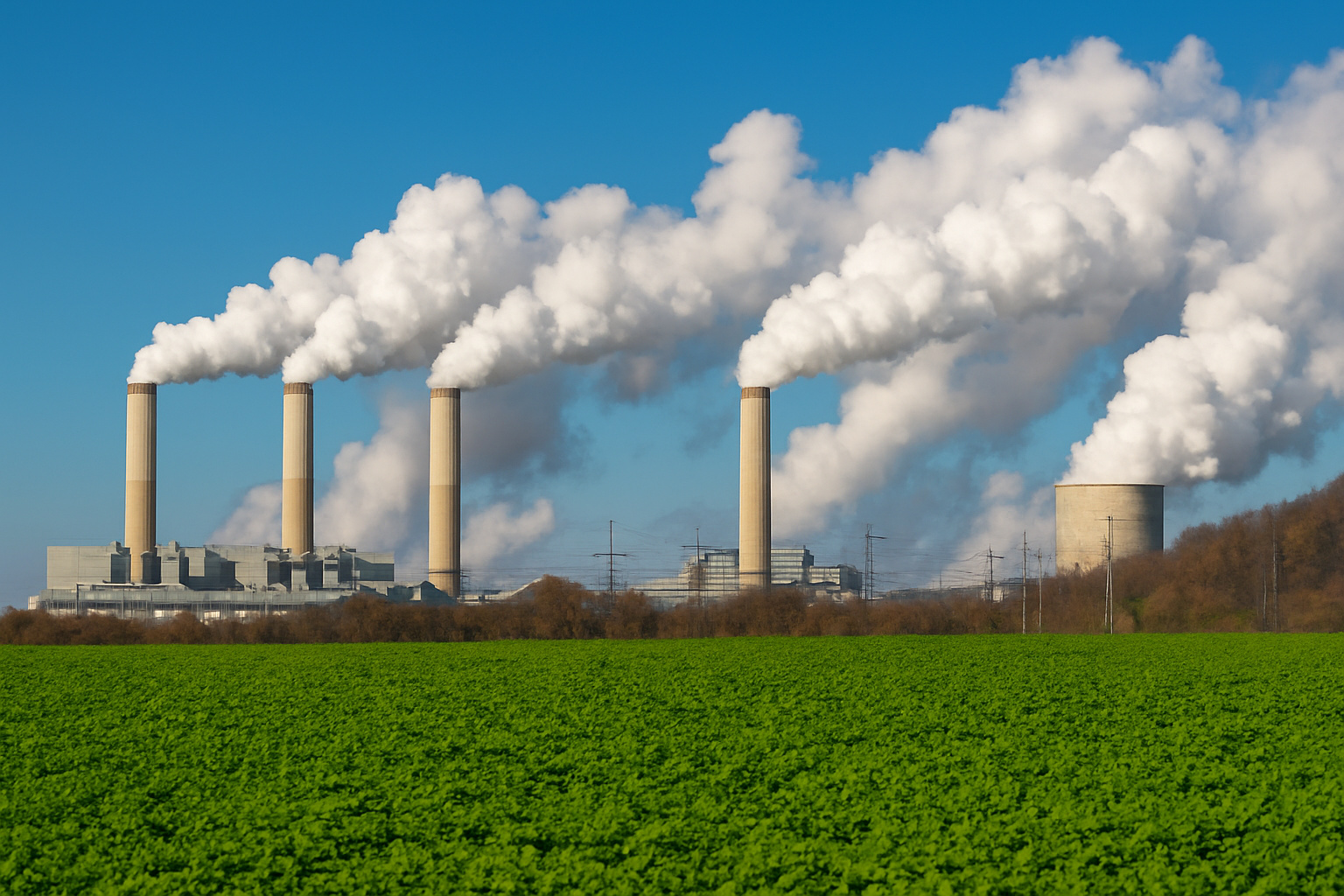

Discover How Motiva Creates an Energy Trading Company to Ensure Cost Reduction and ESG Goals in Its Operations by 2026.
In recent years, the search for operational efficiency and sustainability has shaped the trajectory of large companies.
In Brazil, for example, Motiva, recognized for its role in mobility infrastructure, took a strategic step by announcing the creation of its own electricity trading company.
In this way, the company not only optimizes costs, but also keeps up with the increasing ESG goals (environmental, social, and governance) that have been transforming the corporate market.
-
Fired during apartheid and with a little borrowed money, an electrician started with a borrowed truck and transformed electrical services into a group connected to energy, real estate, and infrastructure in South Africa.

-
Wood has ceased to be just a construction material in Yale research and has become insulation for electrical transformers that face intense heat, aging, and increasing pressure from the renewable energy-powered grid.
-
More than 1,000 residents of a remote island in Kiribati now have clean water and electricity with solar systems operated by the community itself.
-
Ceará brings together 7 giants and R$ 66 billion to transform Pecém into the largest green hydrogen hub in Brazil, with final decisions expected by the end of 2026.



Historically, the infrastructure sector has always faced challenges related to energy management.
Indeed, from the electrification of highways and subways, to the growth of rail transport, and even the operation of airports, energy demand accounts for a significant portion of operational expenses.
Therefore, in Brazil, large electricity consumers, such as Motiva, had to seek alternatives to balance economic efficiency and sustainability.
Thus, the creation of a own trading company emerges as a strategic response to this scenario.
Moreover, the topic of energy management has gained even more relevance with the expansion of the urban mobility sector and the increasing urbanization in the country.
With the electrification of large projects, such as subway corridors and LRV systems, it has become essential to optimize energy contracts and explore innovative buying and selling models.
In this sense, Motiva’s initiative aligns with global trends, where companies integrate technological innovation and environmental responsibility into their operations.
Consequently, this approach creates economic and environmental opportunities simultaneously.
Centralization of Energy Management and Cost Reduction
The Motiva trading company has as its central goal the cost reduction and consolidated energy management across all its concessions, which include highways, subways, trains, LRV, and airports.
Today, the company ranks among the fifty largest electricity consumers in the country, being the second largest in the São Paulo Metropolitan Region.
Thus, for companies of this size, electricity is not just an input, but a critical factor of competitiveness.
Therefore, the centralization of energy management allows Motiva to negotiate better prices in the free market and monitor precisely the balance between supply and demand.
In addition to the direct financial impact, the initiative reinforces the company’s historic commitment to sustainability.
For example, in 2023, Motiva set a goal to supply all its assets with 100% renewable sources and reduce its energy bill by 20% by 2026.
To enable this goal, the company created, in 2024, an executive energy management. Strengthening its ability to implement strategic policies that reconcile cost reduction with ESG goals.
Therefore, this move advanced the achievement of the clean energy goal by one year. Demonstrating that well-planned strategies yield concrete results ahead of schedule.
Additionally, the centralization of energy operations facilitates the adoption of digital technologies and real-time monitoring tools.
This means that Motiva can anticipate consumption variations, identify efficiency opportunities, and dynamically adjust energy contracts.
Thus, this management generates financial savings and contributes to sustainability by reducing waste and optimizing the use of renewable resources.
Support for the Decarbonization of the Supply Chain
Additionally, the new trading company enhances Motiva’s support to suppliers in the energy transition, promoting the decarbonization of the supply chain.
By offering services such as energy balance analysis, migration to the free market, and resale of renewable energy, Motiva strengthens its business relationships with partners and reduces scope 3 emissions, which correspond to the indirect emissions of the value chain.
In this way, this model integrates ESG goals and financial strategies, showing that sustainability and efficiency go hand in hand.
Historically, leading companies have realized that the sustainability of the supply chain is as relevant as their internal operations.
Therefore, Motiva uses its size and credit capacity to offer more competitive commercial terms, allowing supply contracts to serve as collateral in transactions, eliminating the need for external guarantees and reducing additional costs.
Consequently, this model strengthens the supplier chain and creates an ecosystem where sustainability generates economic value.
Furthermore, the strategy of supporting suppliers produces multiplier effects.
By empowering partners to efficiently use clean energy, Motiva reduces overall emissions in the sector, establishes a standard of environmental responsibility, and strengthens the Brazilian market’s reputation in sustainable practices.
Thus, the company contributes to the evolution of the entire chain, benefiting not only its operation but also the surrounding community.
Diversification of Energy Sources and Operational Efficiency
Another important point of Motiva’s energy strategy is diversifying energy sources.
For example, the company formed a partnership with Neoenergia in wind farms in Piauí, supplying a large part of its rail operations in São Paulo.
Additionally, it established long-term contracts with EDP for the purchase of solar energy and operates 18 own distributed generation plants.
Therefore, these initiatives reflect a historical trend where large consumers combine self-production, long-term contracts, and renewable energy to ensure cost predictability and compliance with ESG goals.
The financial impact of the strategy is evident.
With the centralization of energy management, Motiva has already reduced the cost of contracted kWh by 17%.
At the same time, the company projects to optimize its operational efficiency, decreasing the ratio of operating expenses (Opex) to net revenue from 40% to 28% by 2035.
Thus, improvements in energy efficiency have always been a solid way to reduce costs and increase competitiveness, and when integrated into sustainable practices, they bring long-term benefits for both business and the environment.
Moreover, diversifying sources increases resilience against price fluctuations in the energy market.
This makes Motiva’s operation more stable and predictable.
In a global climate of uncertainty in the electricity sector, this operational security translates into significant competitive advantages.
Commitment to Carbon Neutrality
The creation of the trading company strengthens Motiva’s position in fulfilling carbon neutrality commitments.
By achieving 100% renewable sources in 2024, the company zeroed its scope 2 emissions, which correspond to the direct emissions from purchased energy generation.
Thus, this historic achievement demonstrates that environmental goals are not just promises, but can become achievable when accompanied by strategic planning and investment in appropriate technologies.
Motiva’s move also highlights a global trend: large companies are increasingly incorporating ESG policies into their operations.
Therefore, the integration between cost reduction and ESG goals has become a competitive differential, allowing companies to be more resilient to market changes, regulations, and consumer and investor expectations.
Consequently, organizations that anticipated these trends consolidated their leadership, while those that did not adapt their operations faced financial and reputational challenges.
Innovation and Sustainable Economic Value
Furthermore, the initiative reinforces the importance of innovation in the energy sector.
Creating an own trading company allows Motiva to develop customized solutions for each concession, optimize contracts, explore market opportunities, and anticipate risks.
Thus, this type of approach shows that sustainability and cost reduction work as complementary elements.
In summary, the creation of Motiva’s energy trading company represents a milestone in the company’s corporate history and serves as an example of how well-structured strategies reconcile cost reduction and ESG goals.
By centralizing energy management, diversifying renewable sources, supporting suppliers in decarbonization, and investing in operational efficiency, Motiva demonstrates that it is possible to generate economic and environmental value simultaneously.
Thus, strategic decisions, aligned with a long-term vision and sustainable commitments, have the potential to transform operations and inspire the entire infrastructure and mobility sector in Brazil and worldwide.