






 Portuguese
  Spanish


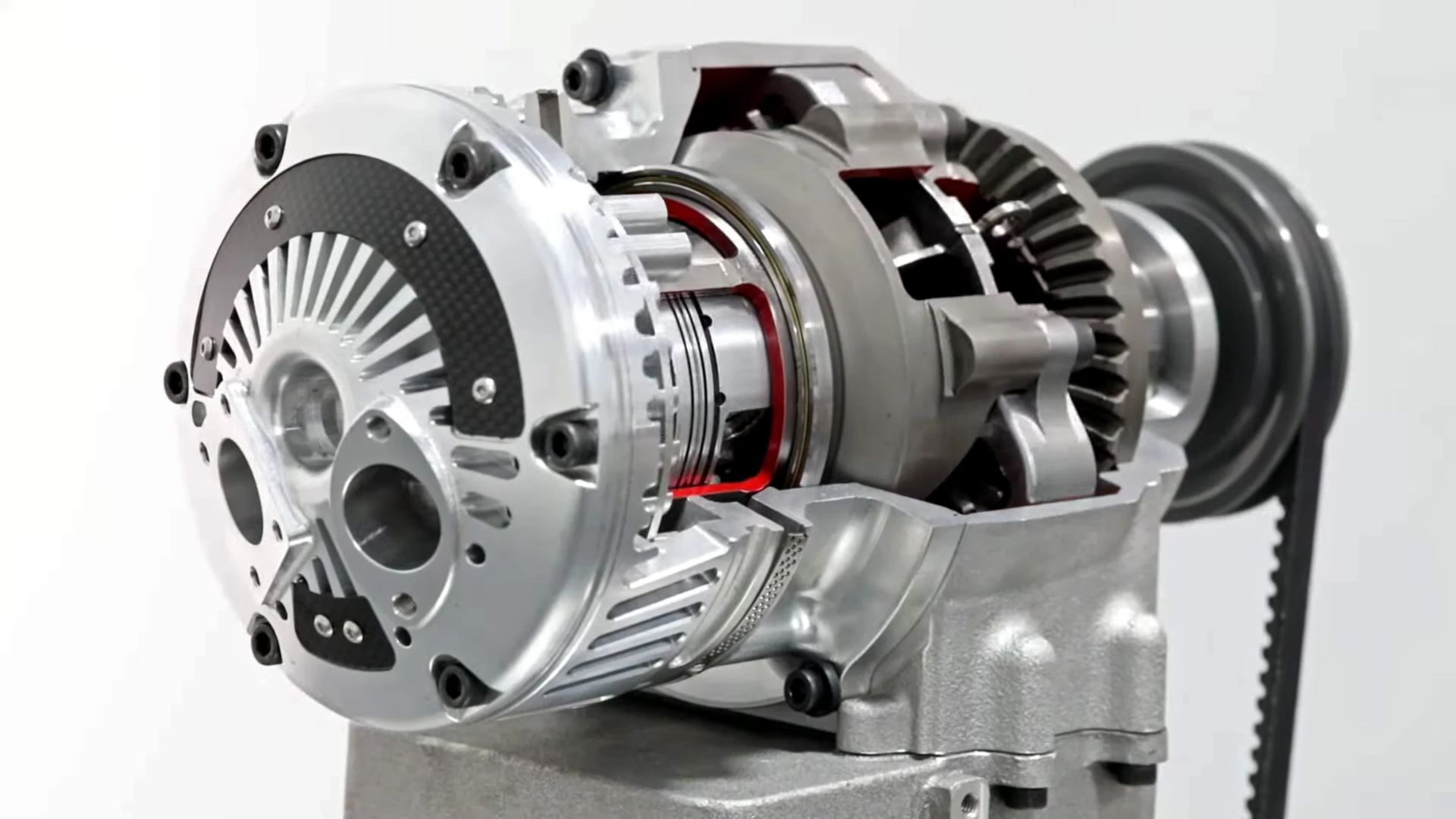


An Innovation Presented by the Startup Avadi Is Catching the Attention of the Automotive Sector: An Internal Combustion Engine of Only 250cc and 24 Pounds, Which Promises to Surpass in Performance and Efficiency Electric and Hydrogen Engines, Reigniting the Discussion About the Future of Mobility.
The New Compact Engine Is Based on an Innovative “Halfshaft” System, Which Transforms the Motion of the Piston into Rotation with Greater Efficiency. According to Avadi’s Technical Description, the Project Utilizes Two Link Arms and Gear Pinions to Compact the System Without Power Loss, Optimizing Performance with Low Weight.
The Search for Sustainable and Efficient Solutions Has Pressured the Automotive Industry to Find Alternatives to the Traditional Combustion Engine. However, Despite the Growing Adoption of Electric and Hydrogen Engines, Technologies Like Avadi’s Demonstrate That There Is Room for Significant Improvements in Combustion Engines.
The Rise of Electric and Hydrogen Engines
In Recent Years, Electric Engines Have Become a Symbol of Innovation, Led by Companies Like Tesla, Which Have Popularized Vehicles with an Ecological Footprint and Futuristic Design. The Growth of Plug-in Hybrids Has Concretized This Option as the Most Sought-After Among Consumers Looking to Reduce Carbon Emissions.
-
Thinking of Installing LED Headlights? Why Replacing Halogen Bulbs is Still Banned, the Glare Risks Authorities Worry About, and How a New Proposal Could Allow Certified, Safe Installations

-
2027 Toyota Corolla Cross Unveiled: New Design, Enhanced Fuel Efficiency, Reduced Maintenance Costs, Advanced Technology, Connected Services, and Up to 10-Year Warranty

-
Fiat Cronos Precision 2018: Affordable Sedan with Spacious Trunk and Reliable Maintenance
-
Volkswagen to Cut Production by 1 Million Cars by 2030, Reducing Jobs and Platforms, Focusing on More Profitable Models




Meanwhile, Hydrogen Has Been Gaining Ground as an Alternative for Sectors Where Electric Is Still Not Viable, Such as Aviation and Heavy Cargo Transport. Automakers Like Toyota, Hyundai, and BMW Have Invested in Hydrogen Engines, Expanding the Possibilities for Sustainable Mobility in the Medium and Long Term.


Despite This, Mass Adoption Still Faces Logistical Challenges, Such as Refueling Infrastructure and High Production Costs of Green Hydrogen. This Reinforces the Strategic Role of Continuing Development of Combustion Engines, Especially When There Is Progress in Efficiency.
Avadi Technology Reignites the Potential of Combustion
With the Launch of Its New Compact Engine, Avadi Challenges the Idea That Combustion Is Outdated. In Addition to Its Light Weight and Innovative Design, The Engine Promises Greater Energy Yield Compared to Current Alternative Models, Which Could Mean a Revolution for Specific Sectors.
Despite the Expectation, The Company Has Not Yet Announced an Official Launch Date, Which Has Raised Questions in the Sector. The Last Update Was Made in 2023, but So Far There Have Been No New Formal Announcements.
Meanwhile, Other Automakers Continue to Make Their Bets. Toyota, for Example, Presented During the Hydrogen and Fuel Cell Seminar 2025 a Vision of the Future Based on Integrating Hydrogen Not Only in Vehicles but Also in Urban and Industrial Energy Networks.
The Information Was Released in an Article Published by the Portals Interesting Engineering and Ecoticias, with Technical Data from Avadi’s Official Site and Additional Information from the Hydrogen and Fuel Cell Seminar 2025.


Muito interessante novas tecnologias
Se for adaptavem nos carros usados, seria uma grande novidade.
Empresa americana. Depois vai vir o Trump taxando o uso dos motores?
Melhor não comprar automóveis americanos.
A taxação do Trump é para o preço lá no USA não para nós, mas fique você sabendo que um carro que custa lá 20 mil dólares, com as nossas taxas ele será vendido aqui para nós no valor de mais ou menos 60 a 80 mil dólares, está aí o pq nós pagamos tão caro nós veículos.
Esse gosta de lamber o trump
Você não sabe o que fala, só pode ser ****