






 Portuguese
  Spanish
  4 min of reading
  15 comments


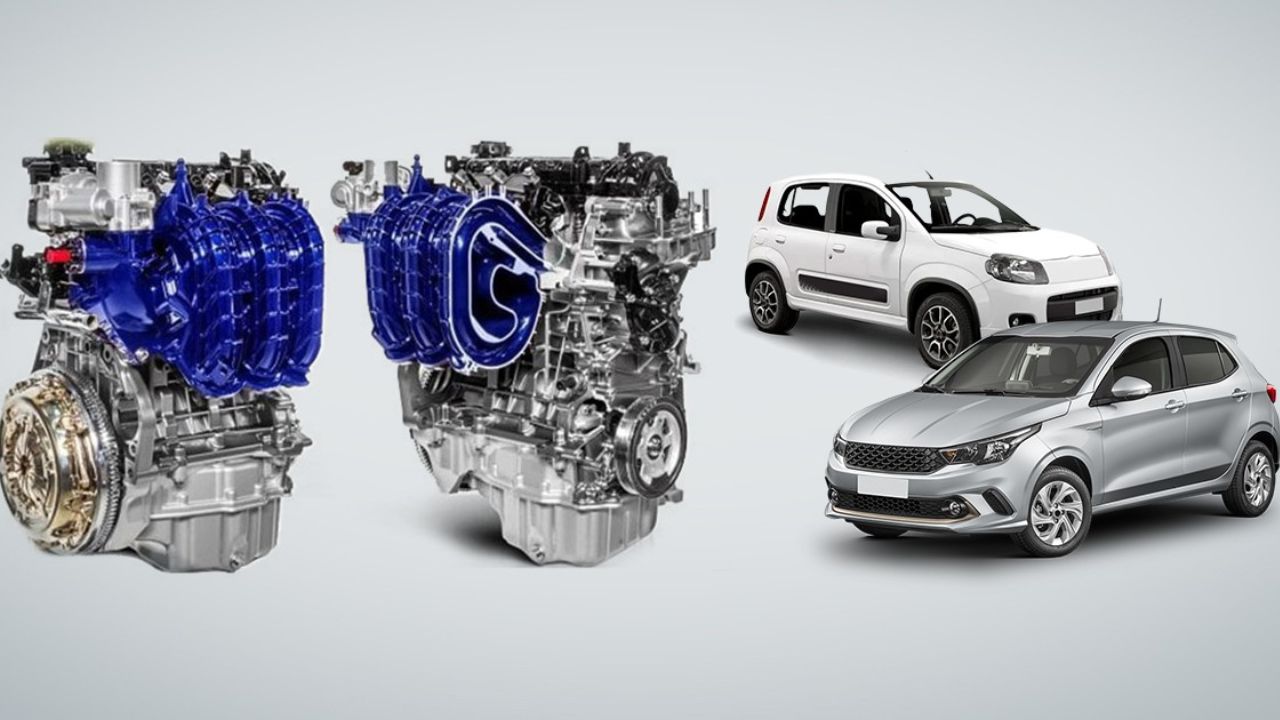


Discover Which Are The Three Engines With The Most Complaints In Brazil, Why They Fail Frequently, And What This Means For Those Looking To Buy A Car Now.
In Brazil, three motor sets are listed as the engines with the most complaints in the market, according to surveys from independent workshops, Procon records, and owner reports.
The study indicated that this occurs between 2015 and 2025, in different models sold throughout the country, due to excessive oil consumption, overheating, and recurring failures.
This scenario raises concern for those looking to acquire or maintain a car today, as it can mean high expenses and low future appreciation.
-
Ferrari sees more than $4 billion evaporate after unveiling its first 100% electric car priced at $640,000, with investors questioning if the Luce still looks like a Ferrari.

-
GAC launches “Chinese hybrid Kombi” with 7 seats cheaper than Tiggo 8 Pro Plug-in Hybrid in Brazil; for around R$ 177,000 in conversion without taxes, the Trumpchi E8 PHEV has a 2.0 engine, DHT transmission, an electric range of 150 km, and a premium family cabin for those living in China.

-
Electric and hybrid cars receive flood warnings: brands limit crossing to 20 or 30 cm, recommend up to 10 km/h, and warn that water on the floor can contaminate batteries, render systems unusable, and void the warranty.
-
Suzuki sells a “family 4×4 SUV” with 5 doors, 1.5 engine, ladder frame chassis, 4×4 traction with reduction gear, and a price equivalent to about R$ 66,000 without taxes, below the Jeep Renegade sold in Brazil: meet the Jimny 5-Door in India.


Why These Engines Are Among The Most Complained Engines
Firstly, the engines with the most complaints have reached this status by combining modern technology and promises of efficiency that have not been fully realized.
For example, the Volkswagen 1.0 TSI engine arrived in 2015 with high expectations for performance and fuel economy, but reported “excessive oil consumption, ignition coil failures, and injector issues,” according to the survey.
Additionally, the second factor is the adoption of more advanced technologies – such as turbocharging, supercharging, or more complex timing chains – requiring specialized maintenance.
However, these requirements have not always been clearly explained to the buyer or supported by a network of parts and appropriate assistance.
Lastly, a third reason: the culture of buying used or nearly new cars in Brazil still values a low price more than the reliability of the engine, leading to vehicles with problematic engines remaining in circulation even after evidence of failures.
Which Are The Three Engines With The Most Complaints
1. Volkswagen 1.0 TSI
Arriving in Brazil in 2015, this engine appears in models such as Up! TSI, Polo, Virtus, T-Cross, and Nivus.
Although it offered up to 128 hp and 20.4 kgfm of torque, the engine accumulated complaints of high oil consumption and problems with coils and injectors.
Therefore, despite being technically promising, it became one of the prime examples of engines with the most complaints.
2. Fiat 1.3 Firefly
Launched in 2017 to equip Fiat models such as Argo, Cronos, and Strada, the engine was designed to replace the old Fire family with better efficiency.
However, reports of excessive vibration, irregular oil consumption, and even timing chain failures have placed this engine among the most complained engines.
In the used and nearly new market, this means heightened attention to maintenance and the vehicle’s history.
3. Ford 1.5 Dragon
This Ford engine, used in models such as Ka, Ka Sedan, and EcoSport between 2017 and 2021, ranks third among the engines with the most complaints.
The main complaints: overheating, blown head gasket, and excessive oil consumption.
Although less mentioned than the first two, it reinforces the trend that engines focused on efficiency and reduced displacement may present unexpected challenges.
What This Means For Those Looking To Buy Or Who Have Already Bought
Observing that the engines with the most complaints are models from relatively recent and technological families, it is clear that conversations with the seller or dealership cannot be limited to price or the car’s appearance.
It is essential to demand records of preventive maintenance, complete service history, and, if possible, reports on oil consumption and engine performance.
Additionally, it is worth considering potential depreciation: a vehicle equipped with one of these engines may face challenges in resale or financing acceptance.
For those who already own one of these, pay attention to the vehicle’s warning messages, periodic oil checks, and performance evaluations, as well as seeking a good trusted professional. This can help avoid unpleasant surprises later on.
How The Market And Consumers Can React
To reduce the impact of the engines with the most complaints, some actions are seen as priorities.
First, automakers need to reinforce transparency regarding the characteristics of these engines, clearly communicating maintenance requirements, oil consumption, and usage recommendations.
Second, consumers and dealerships should place more value on the engine’s history—not just “mileage and aesthetics,” but internal components, service documentation, and inspections.
On the other hand, the used and nearly new market should begin incorporating tools that indicate the engine type and its reputation, allowing buyers to compare not only brand/model but also “engine family” and “complaint history.”
This helps prevent models with problematic engines from becoming traps post-purchase.
In summary, the three engines identified as the engines with the most complaints—Volkswagen 1.0 TSI, Fiat 1.3 Firefly, and Ford 1.5 Dragon—demonstrate that technology and efficiency alone do not guarantee reliability.
For those looking to buy or who have already purchased a car, this reality serves as a warning: seek to investigate beyond the label.
And for the Brazilian market, this survey reinforces that credibility, maintenance, and effective communication are essential to avoid turning promising engines into sources of frustration.
Meanwhile, heightened attention and information are the best allies for those driving one of these engines or planning to do so.
Source: Xataka








Quando fui usar o Gol 1.0 3 cilindros aspirado, da empresa, veículo com 9.500 km rodados, antes de sair fui verificar o nível do óleo. Estava tão baixo que nem molhava a ponta da vareta. O nível foi completado (ao invés de ir pra revisão). Depois de alguns tempo, quando fui usar o carro novamente, nada de óleo. Ainda me perguntaram como eu sabia que o nível estava baixo ! É só verificar.
Tenho um 1.0TSI 110cv, com 82 mil km e nenhuma avaria até agora.
Faz médias de 4,5L/100 km a cada 10 mil km e em passeio chega a fazer menos de 4,0L/100 km
Comprei em 2022
O Wolksvagem 1.0 TSI, com ótimo desempenho e baixa manutenção!
Qual concorrente Pagou pra fazer essa matéria??