Portuguese
  Spanish



The First Four Months of 2022 Showed a Decline in Port Activity in Brazil Due to the Lockdown in China
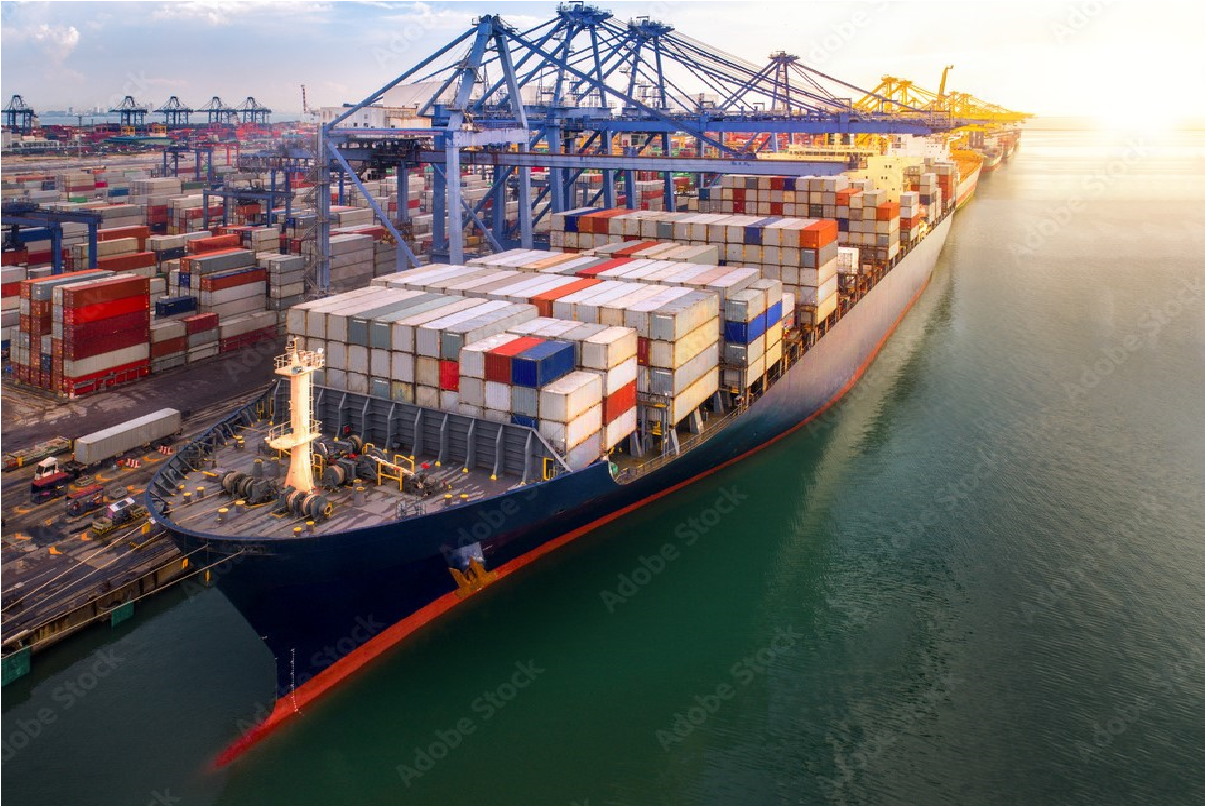
Port flow for freight in Brazil decreased by 3% between January and April 2022 compared to the same period in 2021. The scarcity of movement at Brazilian ports is a consequence of the lockdown measures adopted by China since early March.
These figures come from the latest survey by Antaq (National Agency for Waterway Transportation), a federal government agency.
According to this information, the import of goods by maritime freight recorded a decline of 7.92%, while exports decreased by approximately 3% in Brazil.
-
They exchanged the idea of a large house for a 35 m² warehouse, spent US$ 12,000 on the structure, and created a tiny house in Colorado with space to live and work.

-
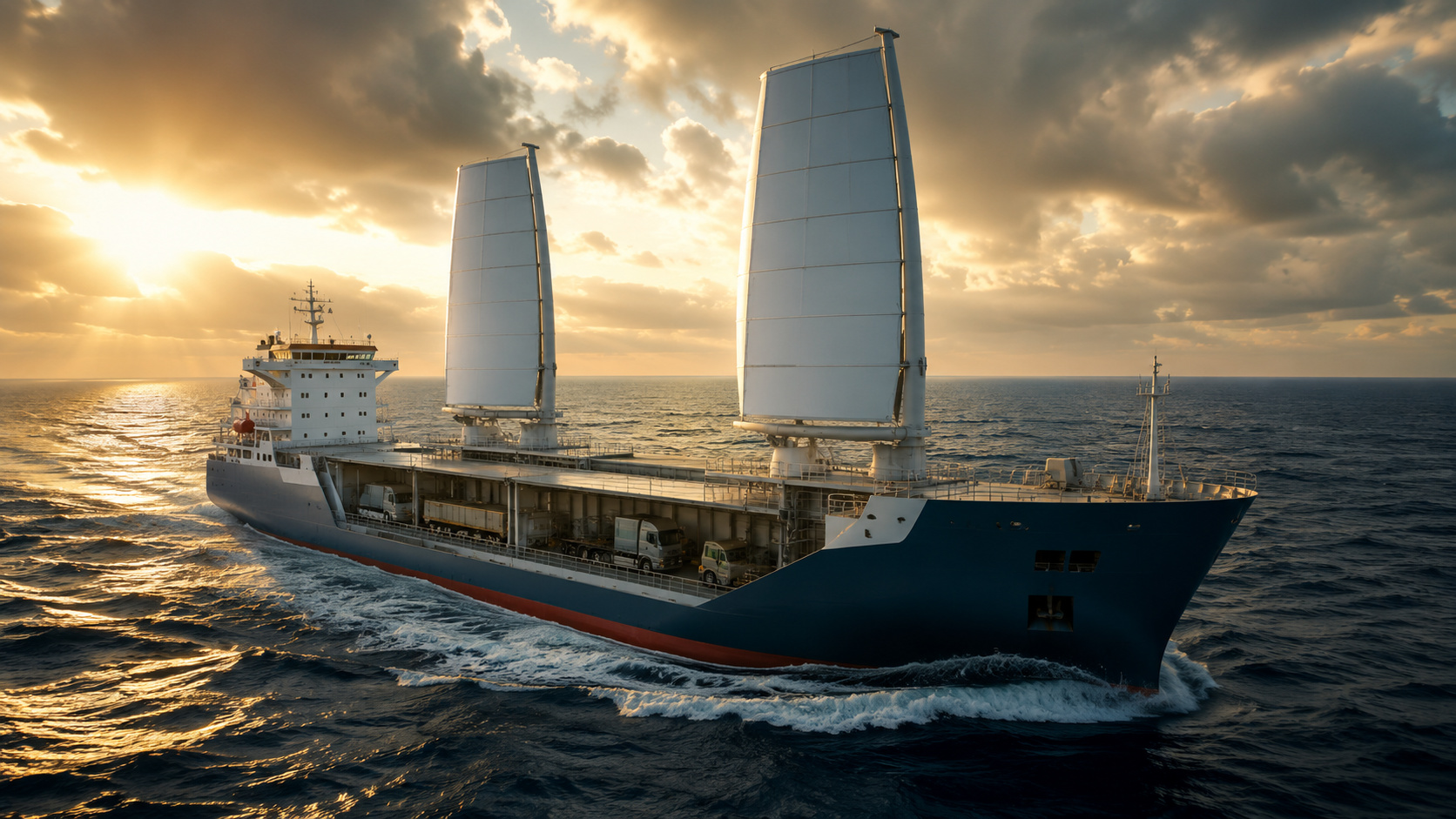
With two giant sails instead of relying solely on the engine, a modern cargo ship crosses the Atlantic carrying cars, forklifts, and goods to test using less diesel in maritime transport.
-
While modern cities rely on pumps and electricity, in Iran, ancient tunnels carried water through the desert using only slope and gravity.
-
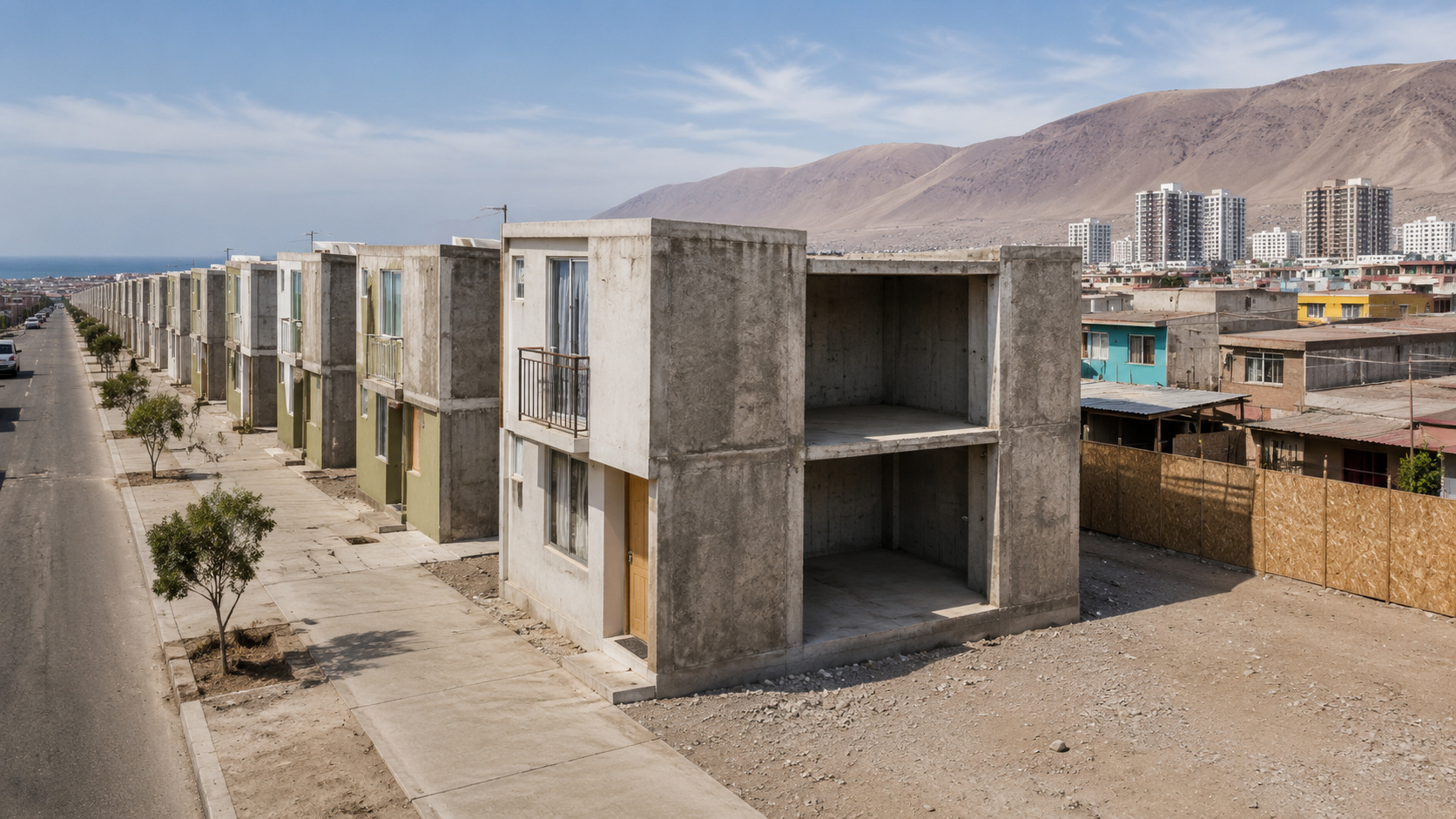
Instead of sending families far from the city, a project in Chile intentionally created incomplete houses on expensive urban land and left technical space for each to grow.

Also in Brazil, cabotage, which constitutes navigation along the coast, also recorded a decline. In relation to 2021, this transportation service saw a decrease of 2.5%.
Although there was a decline in port activity in Brazil, the volume of cargo handled increased by 26% during the same period. In total, more than 23 million tons were loaded via sea between January and April 2022. General cargo is a maritime category that differs from containers.
This type of transport is usually done using bags, boxes, bales, drums, and crates and did not observe any effect from the lockdown in China. Contrary to what happened at Brazilian ports, this category benefited from the shutdowns at Chinese ports and also from the rising cost of containers, which increased due to the lockdown.
Freight Costs Are One of the Problems Caused by the COVID-19 Outbreak in China
One of the current difficulties faced in Brazil, driven by the virus outbreak in China, is the increase in freight costs for cargo ships in the country, both for those wanting to dock at Brazilian ports and for those destined for Chinese ports.
According to Jesualdo Silva, president of ABTP (Brazilian Association of Terminals), the shutdown of cargo ships in China caused a global supply shortage, consequently leading to an increase in freight prices.
However, despite the restrictions imposed by the lockdown in China, aimed at containing the spread of COVID-19 in the country, Chinese ports saw a 1.7% increase in container volumes handled during the period from January to April 2022, according to Centronave (National Center for Transatlantic Navigation).
Cargo Movement in Chinese Ports Increased in May
In May, up to the 24th, cargo movement in the main ports of the Asian country grew by about 4.2% compared to the same period in April. However, Centronave reports that the increase was smaller than expected.
In Shanghai, the lockdown was enforced on the first day of June, after two months. The port continued operating with reduced capacity, and some operations were redirected or advanced.
Even with a forecast for the return of container movements in the coming weeks, Centronave still believes it is early to predict a full normalization of 100% of the logistics chain in China and global production and supply chains in the coming months.
“Although the Chinese economy has suffered due to the lockdown, there was no complete shutdown in some productive areas of the country. The positive result could have been larger, but we need to consider that some factories are located outside urban areas, where measures were stricter. The major ports in China did close, but other alternatives continued to operate,” explained Ricardo Teixeira, Coordinator of the MBA in Financial Management at FGV.