






 Portuguese
  Spanish


Business Leaders and Associations Criticize MP 1300 Solar Energy, Which Changes Tariffs and May Compromise Residential Distributed Generation in Brazil.
The MP 1300 solar energy, published by the federal government, has raised strong concerns among business leaders and small distributed energy producers, which are installed on the roofs of homes and businesses.
The proposal will be analyzed this Tuesday (16) in the Chamber and Wednesday (17) in the Senate to avoid expiration.
Experts claim that the measure gives Aneel the power to change tariffs compulsorily, without holding public hearings, which currently ensures predictability and transparency for consumers and investors.
-
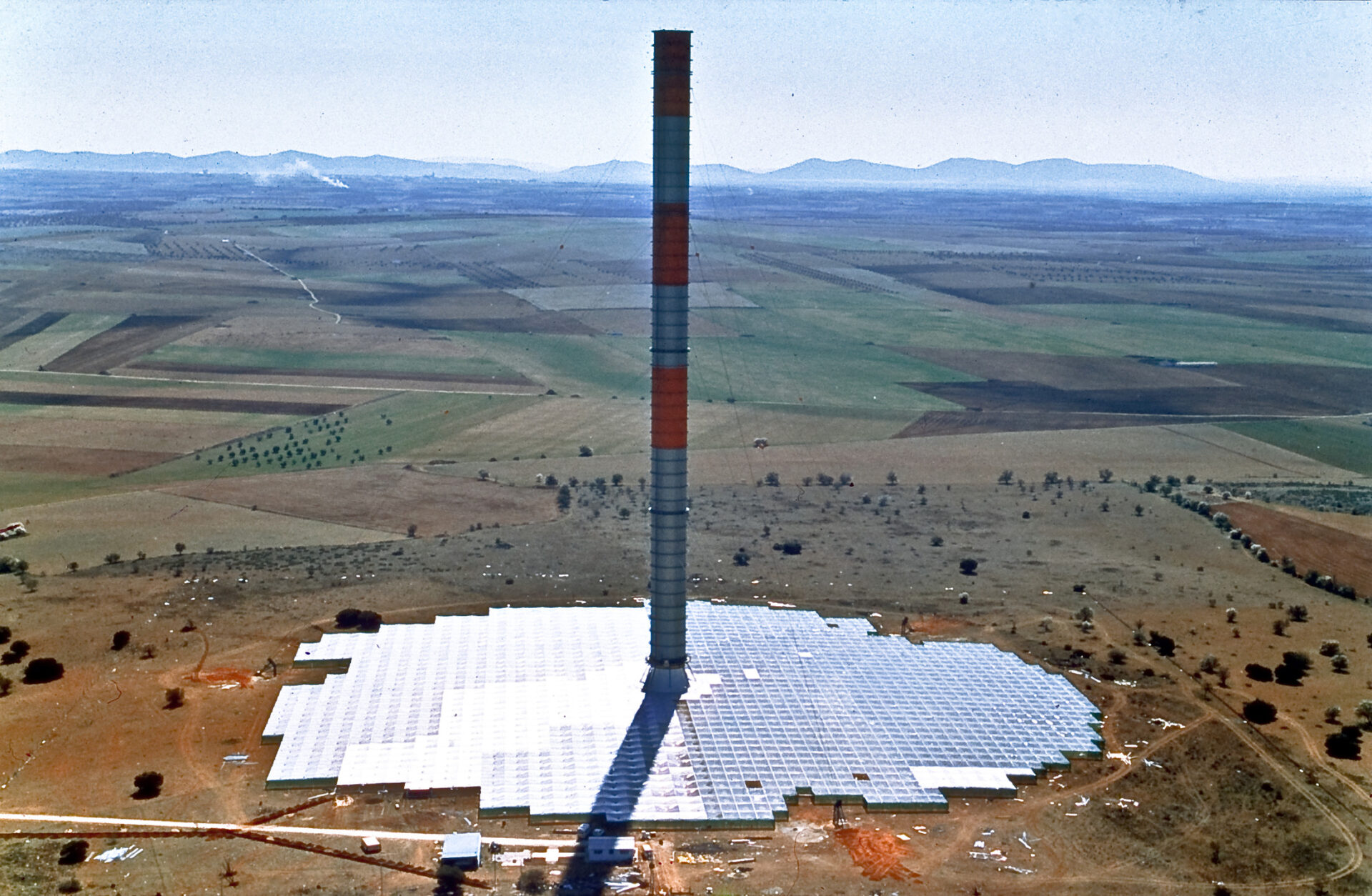
Solar Chimney in Spain Harnessed Sun to Generate Electricity for 7 Years Without Burning Fuel

-
Solar energy reaches 55 GW, becoming the second largest power source in Brazil’s energy mix

-
Solar energy can increase property value by up to 10% and become a selling point.
-
Solar and wind energy surpass natural gas for the first time in the world and accelerate energy revolution



Business Leaders Fear Significant Financial Impact
According to Hewerton Martins, a consultant and businessman in the sector, the MP may drastically affect the market. “It will liquidate companies in 12 months”, he warned.
According to him, the compulsory adjustments in tariffs may reduce the savings of those who produce energy at home by more than 80%, discouraging new investments.
This regulatory insecurity puts at risk both consumers who already have solar panels and those who intend to join the model in the coming years.
Sindienergia-CE Reacts to MP 1300 Solar Energy
The Sindienergia-CE, linked to Fiec, launched a manifesto criticizing paragraph 10 of the measure, pointed out as the most harmful section to consumers and companies in the sector.
According to Luís Carlos Queiroz, president of the entity, the measure compromises basic consumer rights and the legal security necessary for investments in electricity.
He also warns of the risk of discrimination among consumers with similar profiles, especially in more vulnerable regions such as the Northeast.
Doubts About Who Will Be Affected
It is not defined whether the MP will impact only future consumers or also those who already have installed systems.
In Ceará, there are currently more than 120,000 points of distributed generation, among residences and businesses. Large solar parks, however, are not affected by the measure.
This uncertainty increases the fear of investors and consumers, who may have their contracts altered or financial benefits reduced.
Proposals for a Fair Transition
Entrepreneur Lucas Melo argues that any regulatory change should be made gradually, with safeguards and respect for existing contracts.
He suggests:
- Gradual and transparent tariff adjustments;
- Prior assessment of regulatory impact;
- Broad public consultations;
- Pilot projects before large-scale application.
Melo also highlights the importance of investments in digitalization, smart measurement, storage, and network flexibility, benefiting all consumers, not just those who generate their own energy.
Curtailment and Challenges in the Sector
Another critical point is curtailment, the loss of energy caused by limitations of the grid during peak times.
Business leaders warn that distributed generation is not to blame for the structural problem, which requires modernization of the infrastructure and greater capacity for flow.
According to Melo, public policies should focus on expanding the grid and on technological solutions, avoiding penalizing residential consumers and small businesses that have responsibly adopted solar energy.
MP 1300 Solar Energy Defines the Future of Distributed Generation
The voting of MP 1300 solar energy will be decisive for the sector.
While the government defends modernization and market balance, business leaders warn of the risks of rendering investments unviable and reducing benefits for consumers.
The challenge for Congress will be to find a middle ground that guarantees legal security, consumer protection, and stimulates the growth of distributed energy in Brazil.




Fazuéli.
Fazuele.
Quem faz as leis é o legislativo, não o executivo
😆😆😆
MP é do executivo seu **** **** funcional
É possível que o sistema offgrid ganha força e ae o governo perde mais um braço de controle estatal, o ancapistao está chegando
Realmente, a chance é grande. Mas a ganância do governo é tamanha, que provavelmente, o governo irá aumentar o imposto sobre importação, ou produção, dos materiais e equipamentos que componham o sistema… O povo é refém do governo! É sempre assim, por isso nada dá certo por aqui! Quando aparece algo que pode ajudar no desenvolvimento do pais, vem o governo querendo taxar, matando o projeto e inviabilizando a continuidade! Triste demais. Um país com tamanho potencial, não consegue desenvolver por ganância e incompetência do governo, o qual deveria melhorar as condições para o povo brasileiro!