Portuguese
  Spanish




BP Is Reducing Its Oil Exploration Team to Fewer Than 100 People to Focus and Develop Activities in Renewable Energy
The UK-based multinational BP, operating in the energy sector, particularly oil and gas, is reducing its team of professionals who were involved in fossil fuel exploration (geologists, engineers, and scientists) to work on projects focused on climate change and renewable energy.
See Also Other News of the Day:
- Manaus Hospitals Receive Lung Ventilators Developed by USP with Million-Dollar Funding from Petrobras and IBP
- 125 Spots in Free Courses Offered by Mercado Livre
- UNDB in Brasília to Receive Four Renewable Energy Plants
- Construction Workers Considered a Priority Group for COVID-19 Vaccine
- Siemens to Manufacture 70 Turbines at Its Factory in Bahia, Creating Many Jobs in the State
The dismissal or reassignment of staff at the company is the strongest signal that BP is moving quickly towards renewable energy, even though oil and natural gas remain its main source of funding, which in turn facilitates the transition.
According to the media, BP has not commented on the personnel changes, which have not been made public. However, company sources told Reuters that the exploration teams in Moscow and Houston and BP’s research headquarters in Sunbury, near London, have been dismantled.
-
Fired during apartheid and with a little borrowed money, an electrician started with a borrowed truck and transformed electrical services into a group connected to energy, real estate, and infrastructure in South Africa.

-
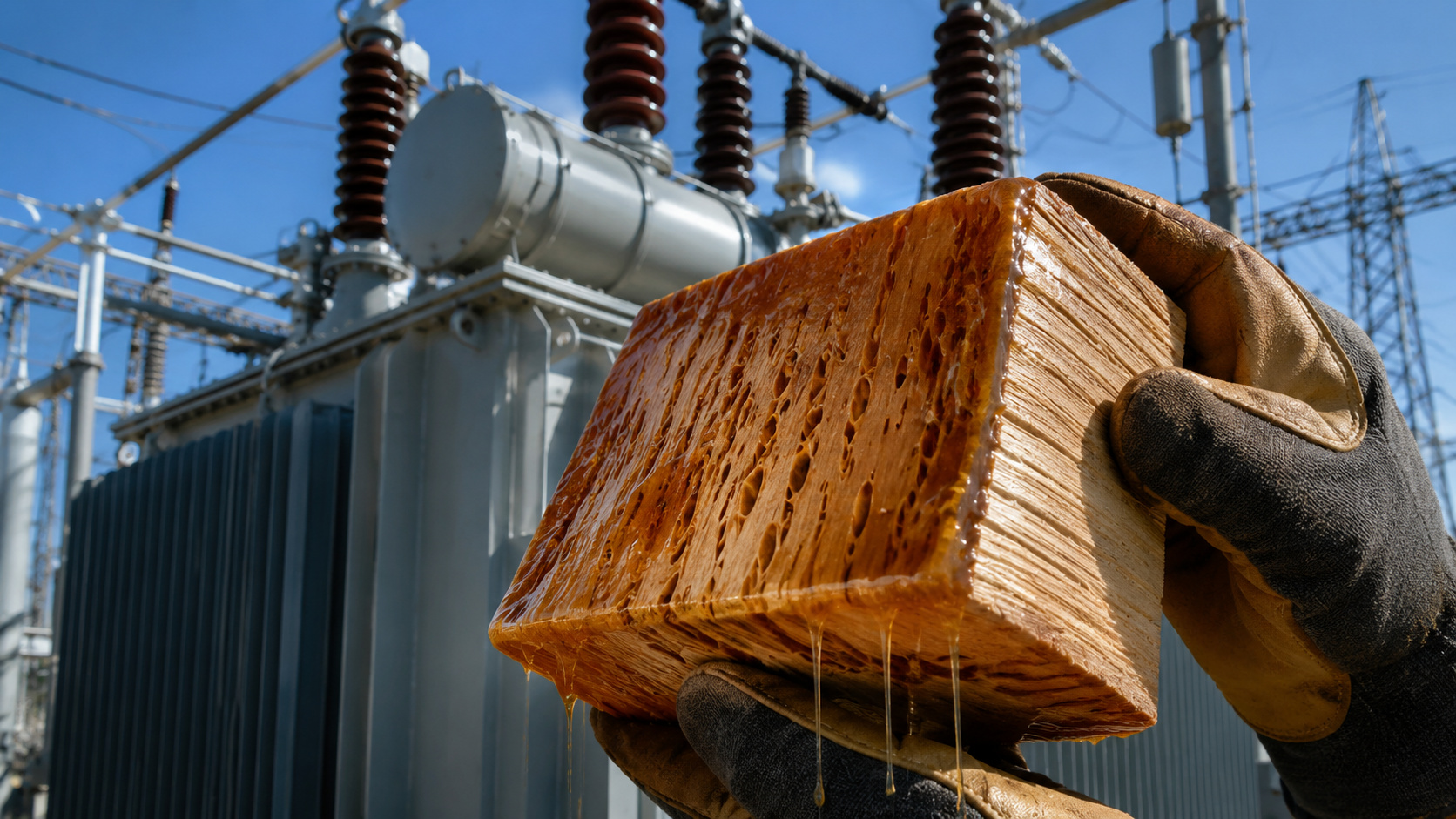
Wood has ceased to be just a construction material in Yale research and has become insulation for electrical transformers that face intense heat, aging, and increasing pressure from the renewable energy-powered grid.
-
More than 1,000 residents of a remote island in Kiribati now have clean water and electricity with solar systems operated by the community itself.
-
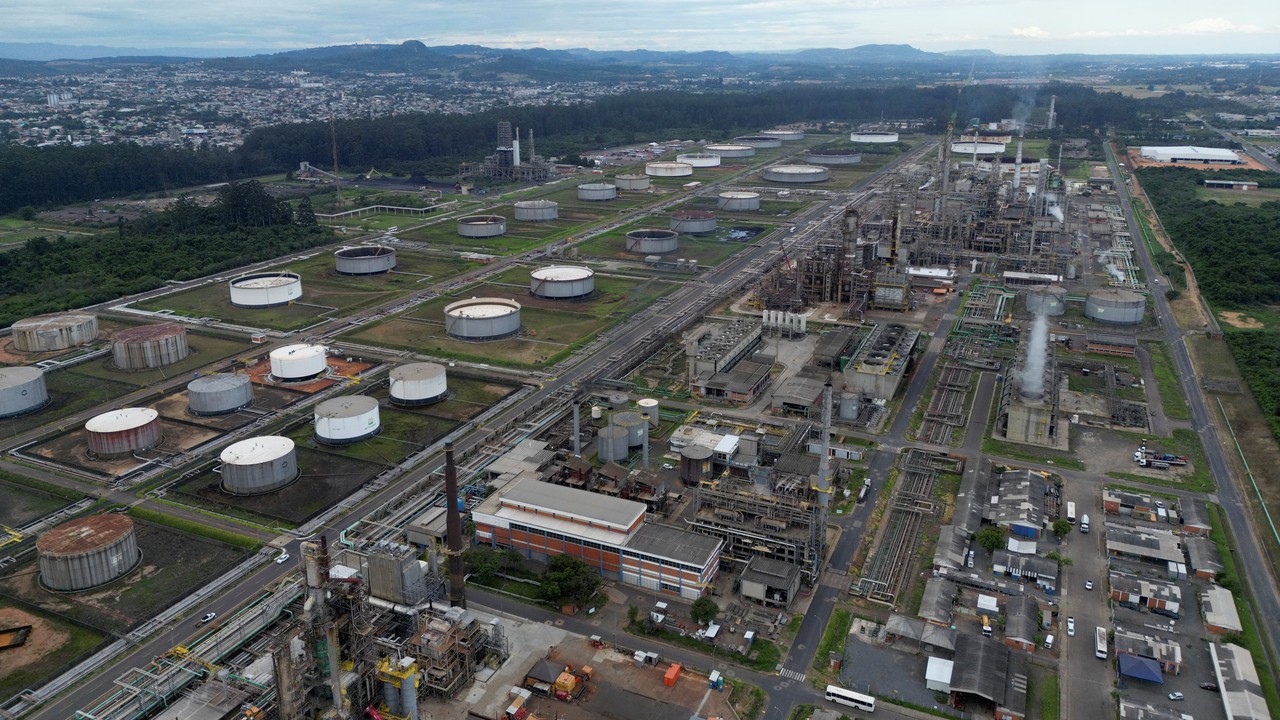
With a record production of nearly 3 million barrels per day, Petrobras resumes importing diesel in July, highlighting the bottleneck in Brazilian refining.



Bernard Looney has reduced BP’s production target and has become the first major CEO in the oil industry to promote this change, which is positive for investors seeking a long-term view of a low-carbon economy. He announced that BP will reduce its production by 1 million barrels per day, or 40%, over the next decade while increasing renewable energy production by 20 times.
Additionally, under Looney’s reorganization, BP laid off about 10,000 employees, representing about 15% of the total workforce. This is the most aggressive reorganization among oil giants like Shell and Total.
BP’s shares are currently impacted negatively, hitting the lowest level in 25 years at the end of 2020 (a 44% drop for the year), primarily due to doubts about whether the stock can transform and achieve the expected profit.