






 Portuguese
  Spanish
  3 min of reading


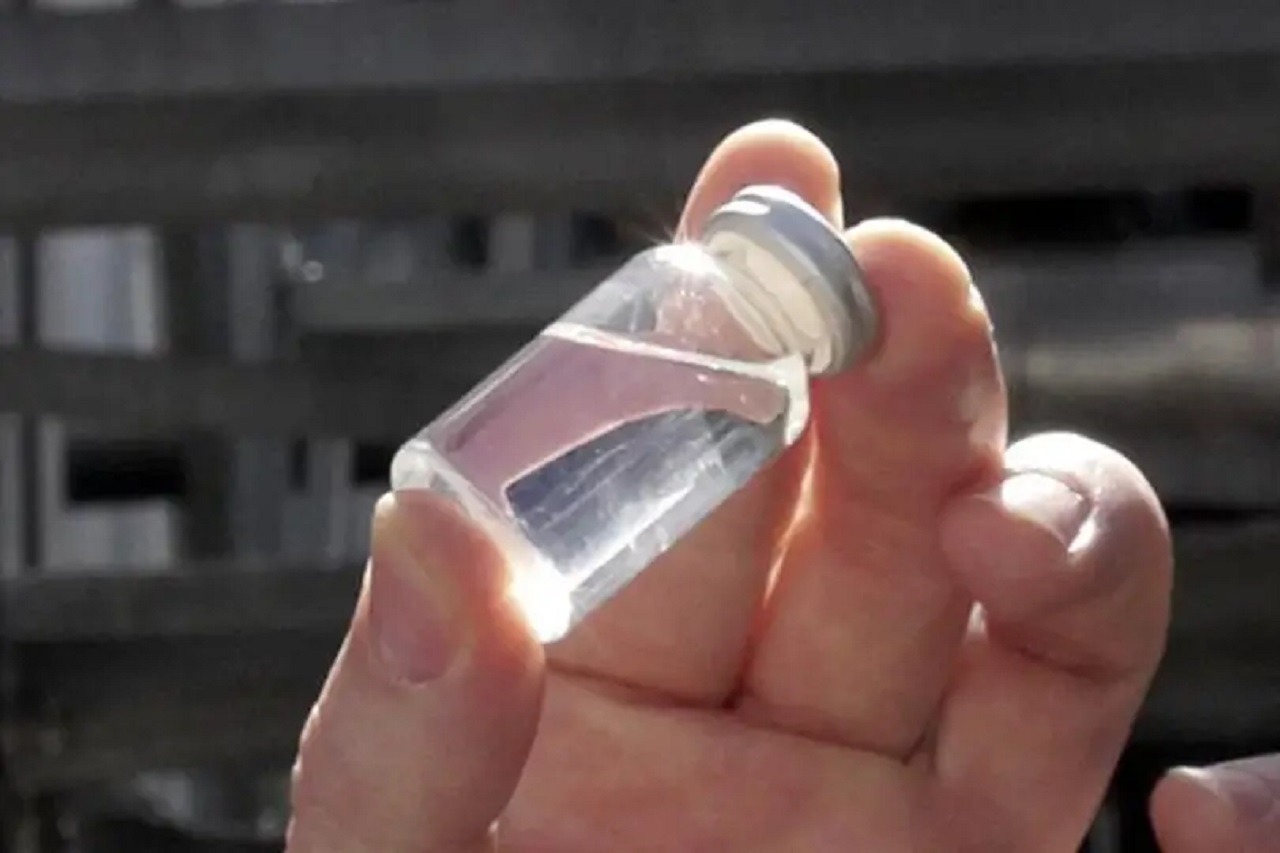
The Synthetic Fuel Being Developed by HIF Global LLC, with Investment from Porsche, Will Help Reduce Greenhouse Gas Emissions and Promises to Revive the Internal Combustion Car Market
Multinational Porsche announced on Thursday (7) that it will make a new investment of around US$ 75 million, equivalent to over R$ 355 million, in HIF Global LLC, a holding that works with renewable projects and the direct production of synthetic gasoline capable of replacing fossil fuels. Through this action, Porsche, headquartered in Germany, will acquire a long-term stake in the Chile-based company HIF Global LLC, aiming to boost and produce the first commercial synthetic fuel this year.
New Investment from German Multinational Porsche in Chilean Company for Synthetic Fuel Production Promises to Boost Production


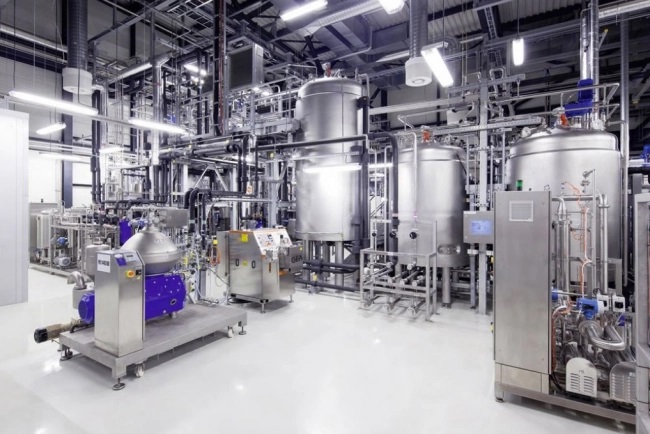
The Chilean company HIF Global LLC is involved in an innovative project, which is the pilot plant Haru Oni, located in the port city of Punta Arenas, Chile, which is being built by Porsche. According to the German multinational, production of eFuel, an ecological synthetic fuel based on electricity, could begin as early as this year.
When the first phase is completed, the multinational Porsche will have two expansions of the complex, one in 2024 and the other only in 2026, increasing the previously estimated production to 55 and 550 million liters of synthetic fuel, respectively. Besides Porsche, the process at the Haru Oni plant has other prominent partners.
-
Nissan X-Trail e-Power debuts as a hybrid SUV that runs like an electric vehicle, uses a 1.5 turbo engine only as a generator, promises up to 1,039 km per tank, and arrives in the Philippines with 204 hp, a 482-liter trunk, and a competitive price.

-
Cheaper than Civic and Corolla, this Korean sedan offers a giant 520-liter trunk, 2.0 flex engine, and 6-speed automatic transmission; the Kia Cerato EX 2.0 2022 stands out as an ideal option for those who prioritize interior space and comfort.
-
An old Nissan Bluebird received the motor, inverter, and battery from the Leaf, became electric, and kept the body intact in a conversion done in the United Kingdom.

-
The car that most Brazilians buy today may cease to exist by 2030, and automakers already know that the 1.0 aspirated engine with manual transmission is numbered in the country.


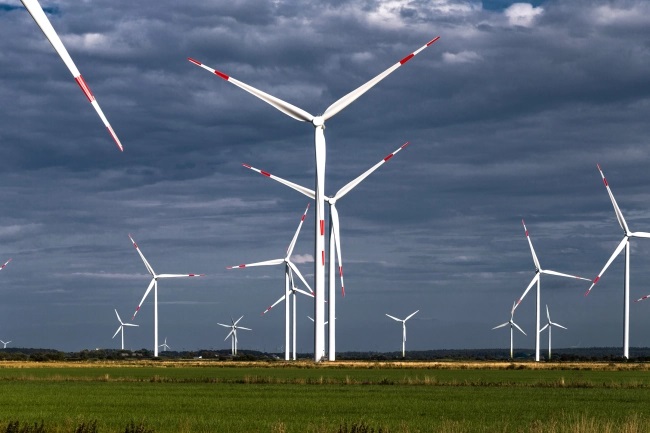
Companies like Siemens Energy and ExxonMobil are involved in the production of fuel from hydrogen and carbon dioxide (CO2), using wind energy. With the current investment from the German automaker, additional plants may be developed in Chile, the United States, and also in Australia.
Use of Synthetic Gasoline Will Help Reduce Emissions
-

Production Center for Synthetic Fuel – Reproduction/Audi -

The electricity from the plant will be captured by wind turbines Disclosure/Porsche
Porsche is planning to initially use the synthetic gasoline produced at these facilities in competition vehicles, meaning race cars. However, in the future, the synthetic fuel eFuel should be present in conventional cars, in factories, and within Porsche Experience Centers, which offer track experience, “test drive” type, to their customers. According to the German multinational, synthetic gasoline will significantly reduce carbon emissions.
According to Michael Steiner, a member of the research and development team at Haru Oni, it is estimated that eFuel will help reduce pollutant gas emissions into the atmosphere in engines where fossil fuels are burned by up to 90%.
The multinational Porsche, in turn, believes that the use of synthetic fuel helps achieve even greater emissions reductions than the percentage obtained with electric cars, obviously taking into account the different manufacturing processes. However, doubts have been raised regarding the sustainable profile of this component, as the media assessed in mid-December 2021.
According to a study by the environmental team Transport & Environment, T&E, the synthetic fuel developed through mechanisms that assist in modifying hydrocarbons ends up generating as much pollution as the burning of fossil fuels in conventional car engines.
Get to Know Porsche’s Representation in Brazil
Stuttgart Veículos was the official import representative of Porsche in Brazil in 1997, and for years helped Brazil to occupy a prominent position among the largest importers of Porsche cars in Latin America.
In mid-2015, the newly designated Porsche Brasil took over operations in the country, officially becoming the 18th subsidiary of Porsche in the world and the first in Latin America, headquartered in São Paulo/SP.
There are 11 Porsche Centers (showroom and aftersales) in Brazil, along with a Technical Center, located in major cities across the country, such as São Paulo (headquarters), Rio de Janeiro, Belo Horizonte, Brasília, Campinas, Curitiba, Fortaleza, Florianópolis, Porto Alegre, Recife, and Ribeirão Preto.




Be the first to react!