Portuguese
  Spanish


According to NSC Total’s analysis, manual transmission, simple aspirated engines, and models without any electrification are expected to lose ground in the Brazilian market. It is not a law that bans combustion cars, but rather regulations, costs, and hybrids pushing entry-level models to change by 2030.
The entry-level car that most Brazilians buy today, with a 1.0 aspirated engine and manual transmission, may become increasingly rare in dealerships by 2030, not due to a direct ban, but because of a broader transformation in the automotive industry. This analysis is from the portal NSC Total, which mapped the trends expected to pressure the country’s most basic models.
The movement does not mean the end of all combustion cars. According to NSC Total, by 2030 stricter environmental regulations, efficiency goals, the advancement of hybrids, and new technologies are expected to sideline manual versions, simple aspirated engines, and models without any level of electrification. The change, the portal notes, would not come from a law banning manual transmission or the 1.0 engine, but from a market reorganization that makes this type of vehicle increasingly unviable.
The end may start with the manual transmission
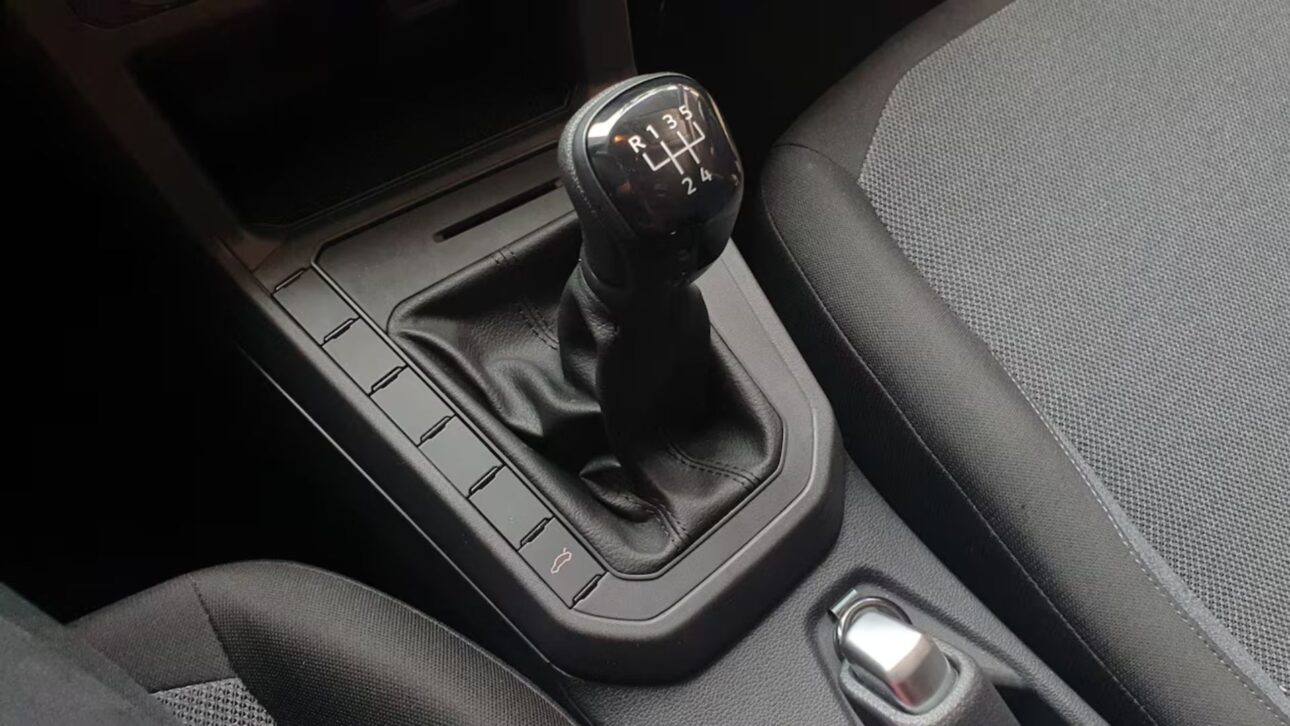
The first piece under pressure is the manual transmission. It has already ceased to be standard in much of the Brazilian market, and in more expensive hatchbacks and sedans, SUVs, and family models, automatic transmission has become almost mandatory. The clutch pedal mainly persists today in entry-level cars, work versions, and some niche sports cars.
-
End of an era in Brazil: beloved sedan by Brazilians is discontinued despite having a 2.0 engine with 151 hp, CVT transmission, 466-liter trunk, and up to 650 km of range.

-
New Law Proposal in Brazil Could Heavily Penalize Drivers: Dangerous Overtaking May Become a Serious Offense with Fines Increased Tenfold and a 12-Month License Suspension; Update on 2026 Progress

-
Electric Revolution: Watts W125 Motorcycle Offers 160 km Range, 90 km/h Speed, and Affordable Price Starting at $3,000
-
General Motors Replaces Over a Thousand Workers with 50 Cobots at Electric Vehicle Plant, UAW Union Criticizes Move Amid Industry’s Automation Push


The automakers’ calculations also work against the manual. Many consumers are willing to pay more for comfort, and manufacturers have realized that the manual transmission contributes little when the car needs to appear modern, while maintaining two transmission options increases production, logistics, and inventory costs. By 2030, the manual is not expected to disappear completely, as work pickups and more basic versions may keep the manual transmission for a while, but in passenger cars, especially hatchbacks, sedans, and SUVs, the trend is that it will become increasingly restricted.
Which cars are in the risk zone
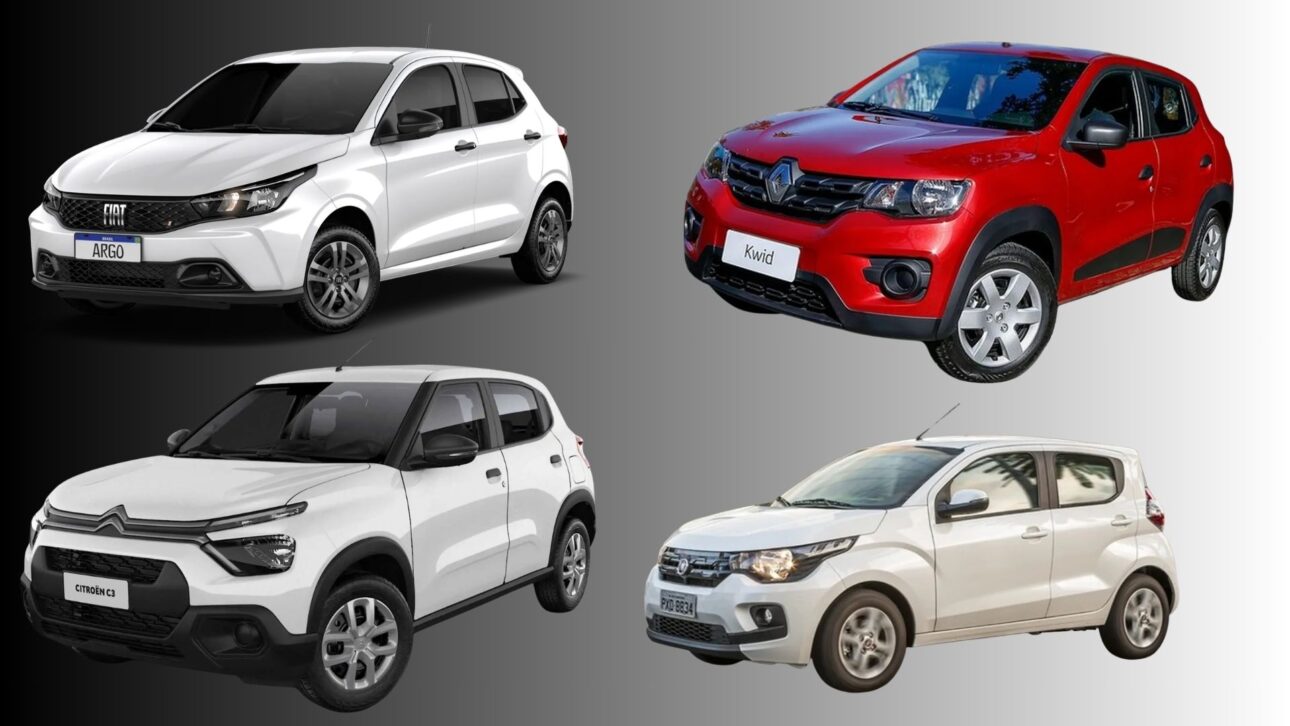
Some models sold today help to understand which formats are under more pressure, although the list should not be read as a sentence for a specific car. This group includes examples like Fiat Mobi, Renault Kwid, Volkswagen Polo Track, Fiat Argo 1.0, and Citroën C3 1.0, all popular among those looking for a more affordable new car.
The common point is not a product defect, but rather the mechanical formula. They are compact or subcompact cars, with naturally aspirated flex engines, manual transmission, and no electrification, a combination that still makes sense for a cheap model, but tends to become harder to sustain as demands for efficiency, emissions, safety, and technology advance. It is more likely that these cars will not be discontinued by 2030, but rather that they will change, gaining automatic transmission, turbo engine, mild hybrid package, or giving way to a more efficient generation.
Naturally aspirated compacts under pressure
Another threatened species is the compact with a simple naturally aspirated engine, especially the 1.0 without turbo. This type of car still makes sense for those looking for a lower price, cheaper maintenance, and reasonable consumption, but the new emissions and efficiency requirements make this balance harder to maintain.
The solution involves more technology under the hood. Naturally aspirated engines can continue to exist, but they will need more sophisticated calibration, systems that turn off the engine at stops, new catalysts, variable commands, improvements in injection, and even some degree of mild electrification. The problem is that all this costs money, and when the car is entry-level, any increase weighs heavily on the final price.
The car without electrification is expected to age
Electrification does not mean only a 100% electric car. In Brazil, the transition is expected to involve conventional hybrids, plug-in hybrids, flex hybrids, and even mild hybrids, which use a small electric assist to reduce consumption and emissions. The detail is that the driver may not notice the change at first glance.
The difference lies in engineering, not in the routine use. The car will continue to have a combustion engine, fuel tank, and normal refueling, with a small battery, an auxiliary electric motor, or a 12V or 48V system easing the effort in starts and accelerations. That’s why a car with no electrification might look like an outdated product by 2030, becoming a commercial disadvantage in higher price ranges, while the challenge in lower ranges will be to incorporate this technology without exceeding the price.
Will the cheap car end? The weight of ethanol
What might end is the idea of a cheap car as synonymous with an overly simple car. Automakers will have to find a new way to sell entry-level models, whether with more efficient flex engines, mild electrification, mandatory safety packages, or more modern platforms.
And Brazil has a trump card that changes the game. Ethanol is a national peculiarity, and therefore the Brazilian transition should not exactly copy the European or Chinese one, with the trend being a mix of paths, where flex hybrids, urban electrics, smaller turbo engines, and biofuels share space. This arrangement can keep the affordable car alive, albeit quite different from the current one.
Even with all the caveats, the NSC Total analysis indicates that the entry-level car as we know it today should change significantly by 2030, not due to a ban on manual transmission or the aspirated 1.0 engine, but due to the combination of stricter regulations, efficiency targets, costs, and the advancement of hybrids. Buying a brand new manual, aspirated, and without any electric technology may become as uncommon as finding a new car today without electric steering, stability control, or a multimedia center.
The models mentioned may simply evolve instead of disappearing, and ethanol tends to shape its own Brazilian path, with flex hybrids, smaller turbos, and biofuels.
And you, what do you think about this transformation in the Brazilian entry-level car? Will you miss the manual transmission and the simple 1.0 engine, or do you prefer the arrival of automatics and hybrids? Share your opinion and exchange ideas with other readers about the future of cars, respecting different opinions.