Portuguese
  Spanish


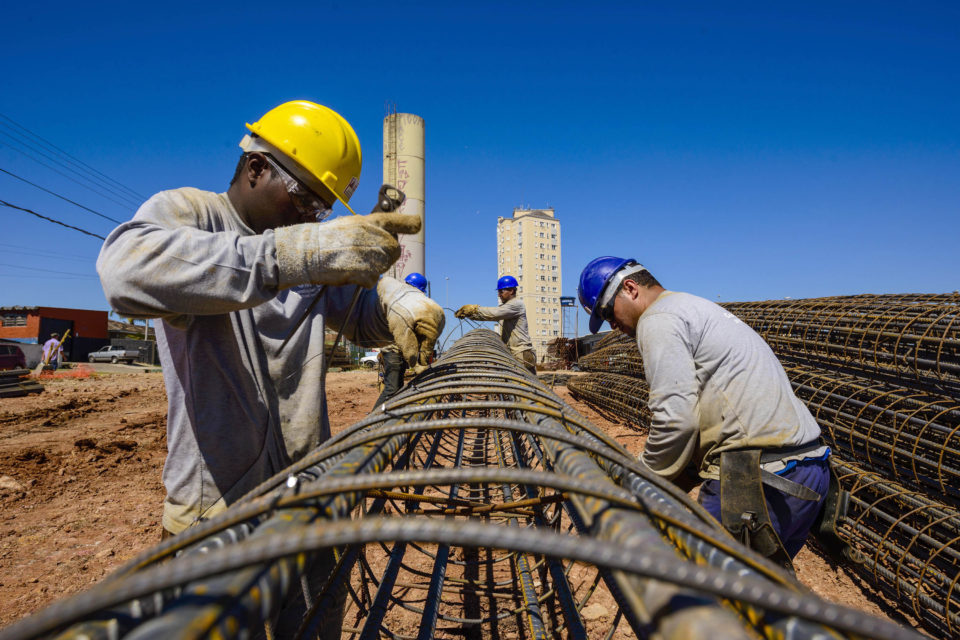

Even With The Construction Industry Declining, Brazilian Steel Production Reached 33.7 Million Tons In The First Half Of 2020, Closing With An Increase Of 0.2% Compared To 2019, Reported The Brazilian Institute Of Steel (IBS).
According to the Brazilian Institute Of Steel (IBS), this decline was mainly due to production drops that occurred in November and December of last year in the construction sector due to the cooling of demand from almost all major consumer sectors, especially the automotive sector.
Read Also
- NextEra, The Largest Global Producer Of Solar And Wind Energy, Surpasses ExxonMobil As The World’s Most Valuable Oil Company
- DISA Oil Company Acquires All Petrobras Uruguay Assets For 61.7 Million Dollars
- Job Selection Process Open For Candidates Looking For Their First Job As An Apprentice To Fill Positions In São Paulo
- Service Provider In The Oil And Gas Sector With Open Job Positions In Macaé For Offshore Work
Steel Consumption In The Construction Sector
Currently, steel consumption represents on average 80% in more than half of the construction material distribution companies solely in Brazilian territory, with the automotive industry being the largest consumer and the one that forms the most successful partnerships with steel mills.
According to a survey conducted by IABR, a large portion of the steel mills have already recovered their losses from the beginning of the pandemic and are currently earning about 50% more, thanks to the construction materials and the current high prices.
-
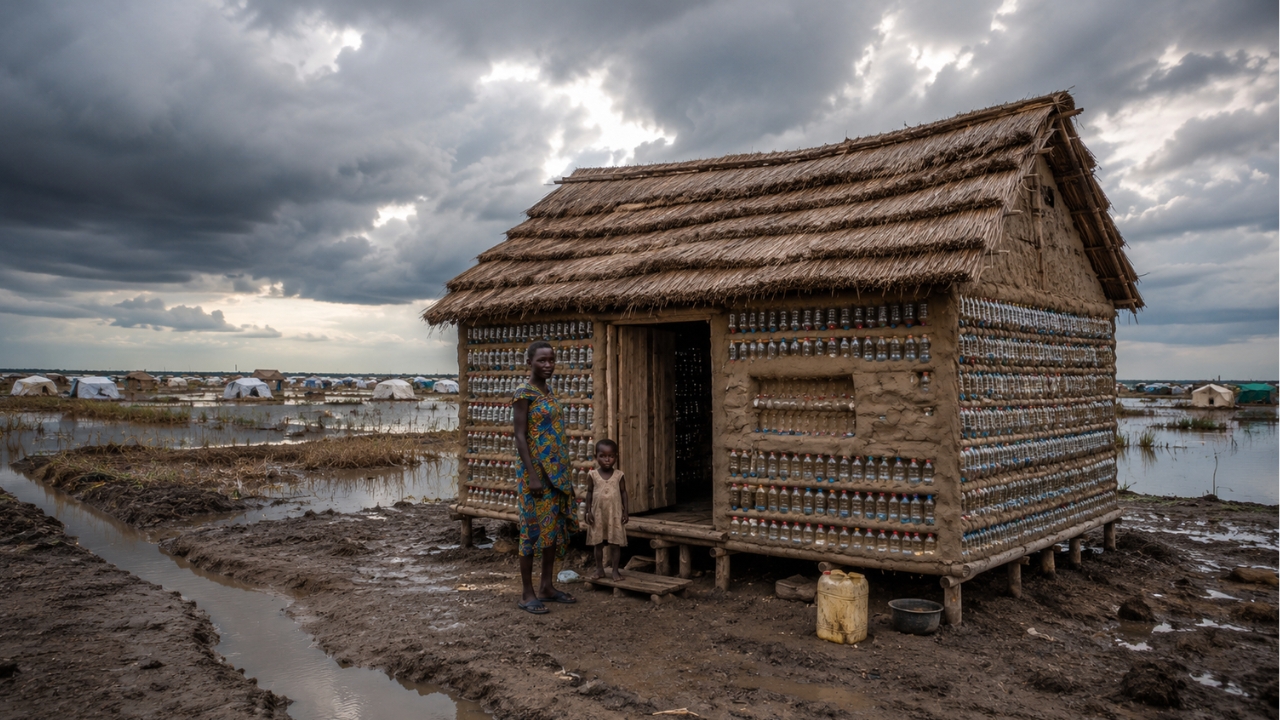
In Flood-Stricken South Sudan, Displaced Families Use Sand-Filled Plastic Bottles to Build Cooler, More Durable Homes

-
Mother Who Called Herself a ‘Pinterest Failure’ Learned Wood Furniture Restoration from Videos, Now Earns Around $15,900 Monthly

-
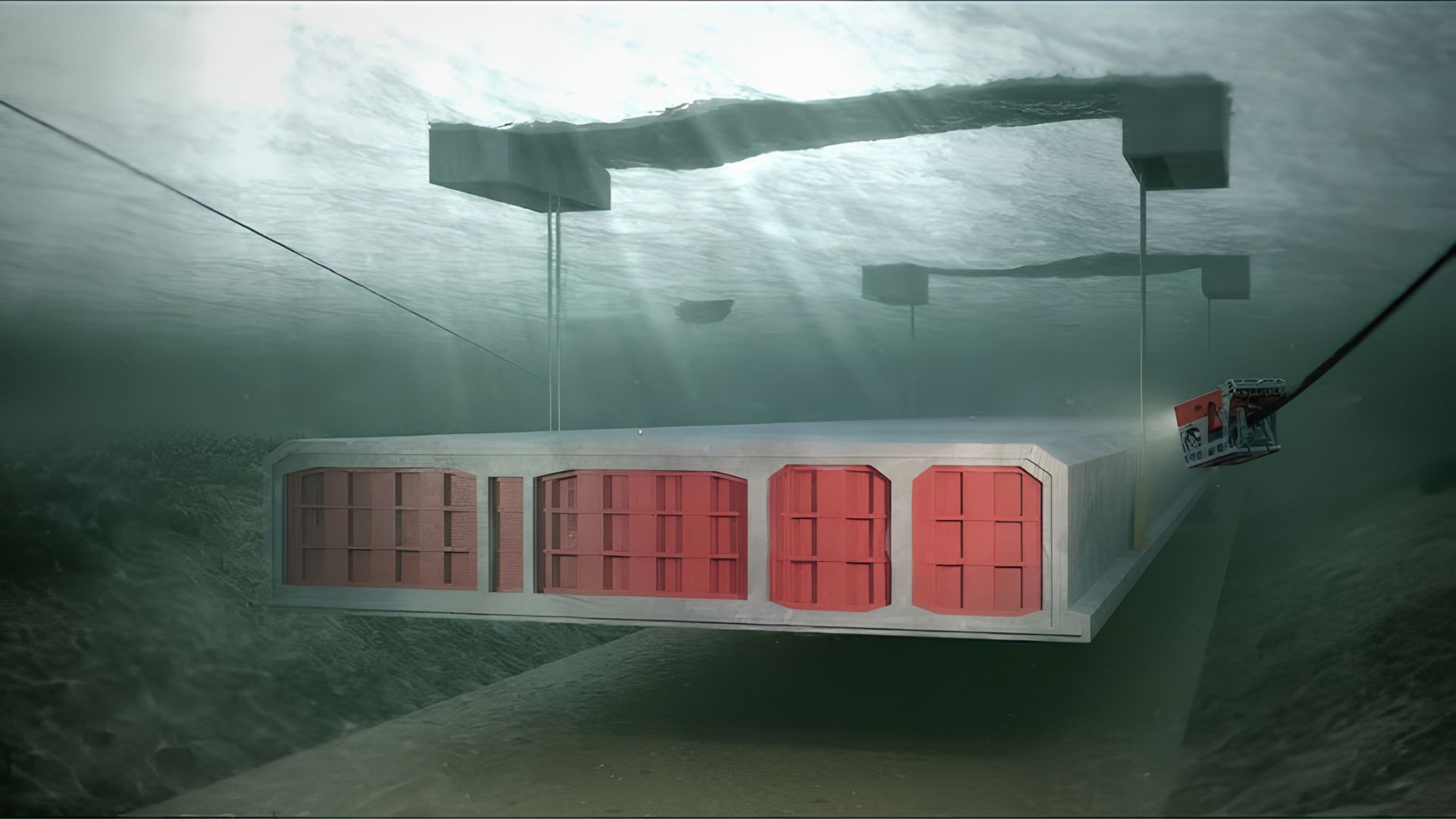
Denmark Constructs World’s Largest Immersed Tunnel to Connect with Germany, Sinking 217-Meter Concrete Sections in the Baltic Sea
-
Low-Cost Concrete Panel House Goes Viral: Investor Reveals Prefabricated Kit Structure for Around $1,500, Assembled in 30 Days, with Plans for Rental and Resale Income


Steel Mills On The Rise
For example, Gerdau’s shares closed with a strong increase of 9.2% last Tuesday, well above the Ibovespa’s performance, which rose by 1.25%.
In the short term, the construction sector is experiencing a fairly resilient period in the current economic context and has been an important asset for the steel sector, which should limit the decline in long steel consumption this year to losses of up to 15%.
And What About The Rise In The Prices Of Construction Materials?
The catalyst for the construction sector’s activities will be the pace of economic recovery and the “format” of the recovery, something that has been widely discussed, but which continues to leave many doubts and with little visibility as for pricing.
The truth is that the price factor in both the construction sector and steel mills is driven by high demand; the end of the year is one of the main reasons why Brazilians tend to buy more.