






 Portuguese
  Spanish
  5 min of reading
  0 comments


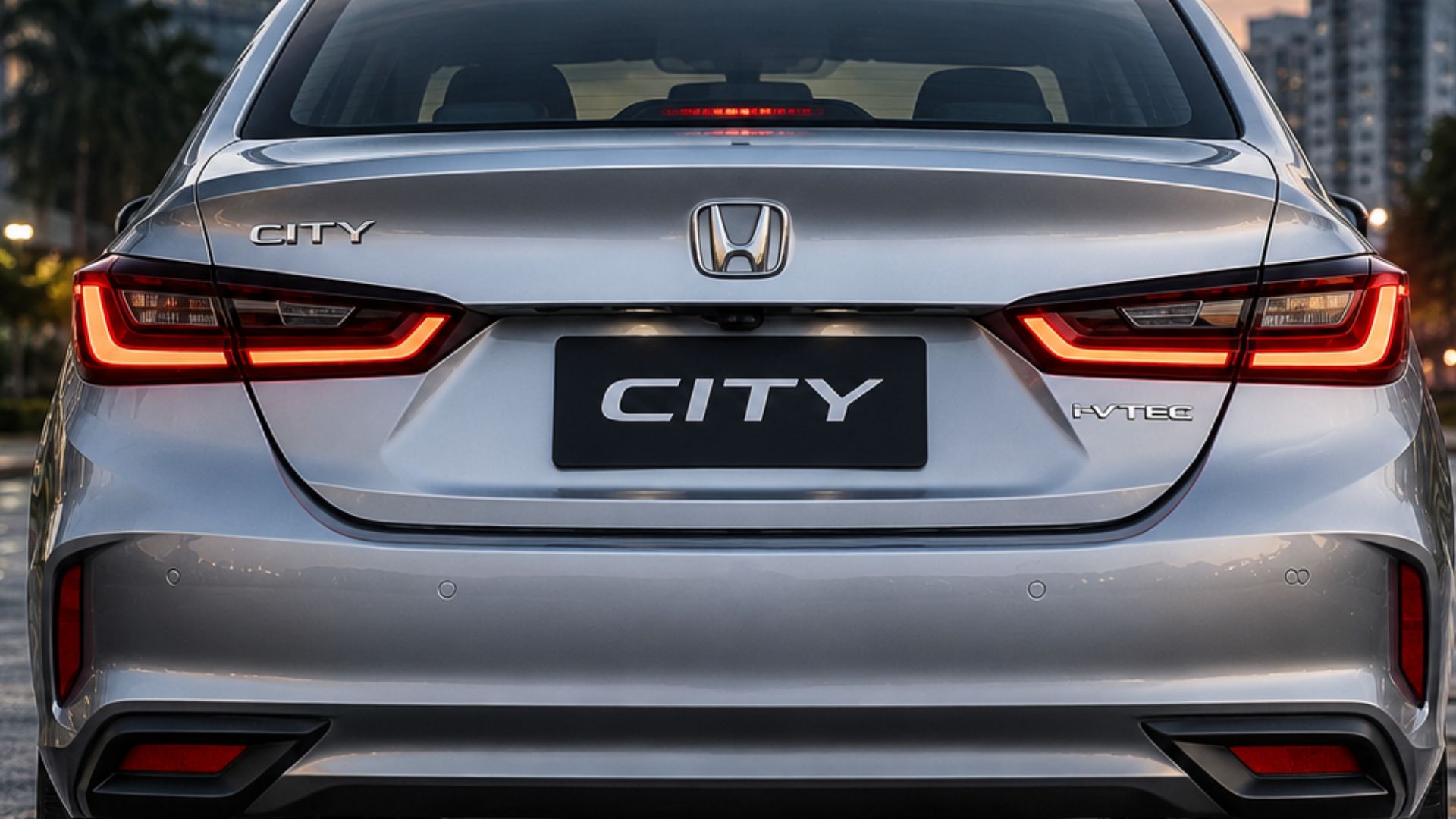
Restyling of the 2027 Honda City reveals the brand’s attempt to differentiate the sedan from the WR-V with a sportier look, lines inspired by Honda’s global launches, and the retention of the 1.5 flex engine with up to 126 hp, a package that remains one of the model’s pillars of efficiency and comfort.
Camouflaged and undergoing tests in Brazil, the 2027 Honda City anticipates a new restyling just months after the update applied to the 2025 line, a move that reinforces Honda’s attempt to keep the sedan competitive in a market increasingly dominated by compact SUVs.
Even with significant visual changes planned for the next line, the manufacturer is expected to preserve the mechanical set already in use, consisting of the 1.5 flex engine with up to 126 hp and the CVT automatic transmission with seven simulated gears.
This repositioning occurs in a strategic scenario for the Japanese brand, especially after the arrival of the 2026 WR-V, a compact SUV that began to compete for consumers and a price range very close to the higher versions of the City sedan and hatch.
-
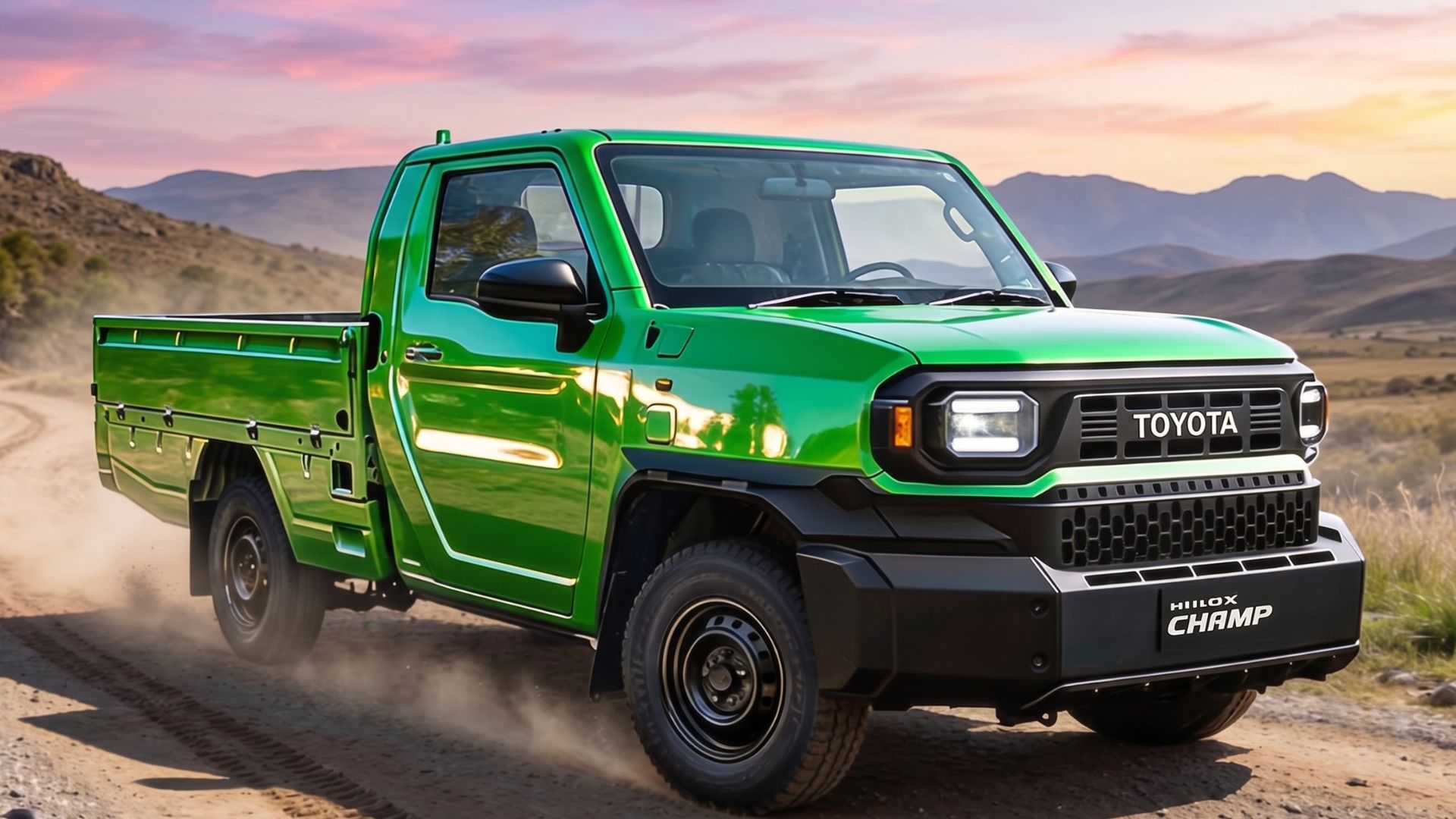
Toyota Hilux Champ emerges as the “mini-work Hilux” that Brazil doesn’t have: for around R$ 81,7 thousand in conversion without taxes, the pickup has a modular chassis, single cab, 2 seats, 2.4 diesel engine, and a popular car price to become a tool for construction, cargo, and small business in Thailand.

-
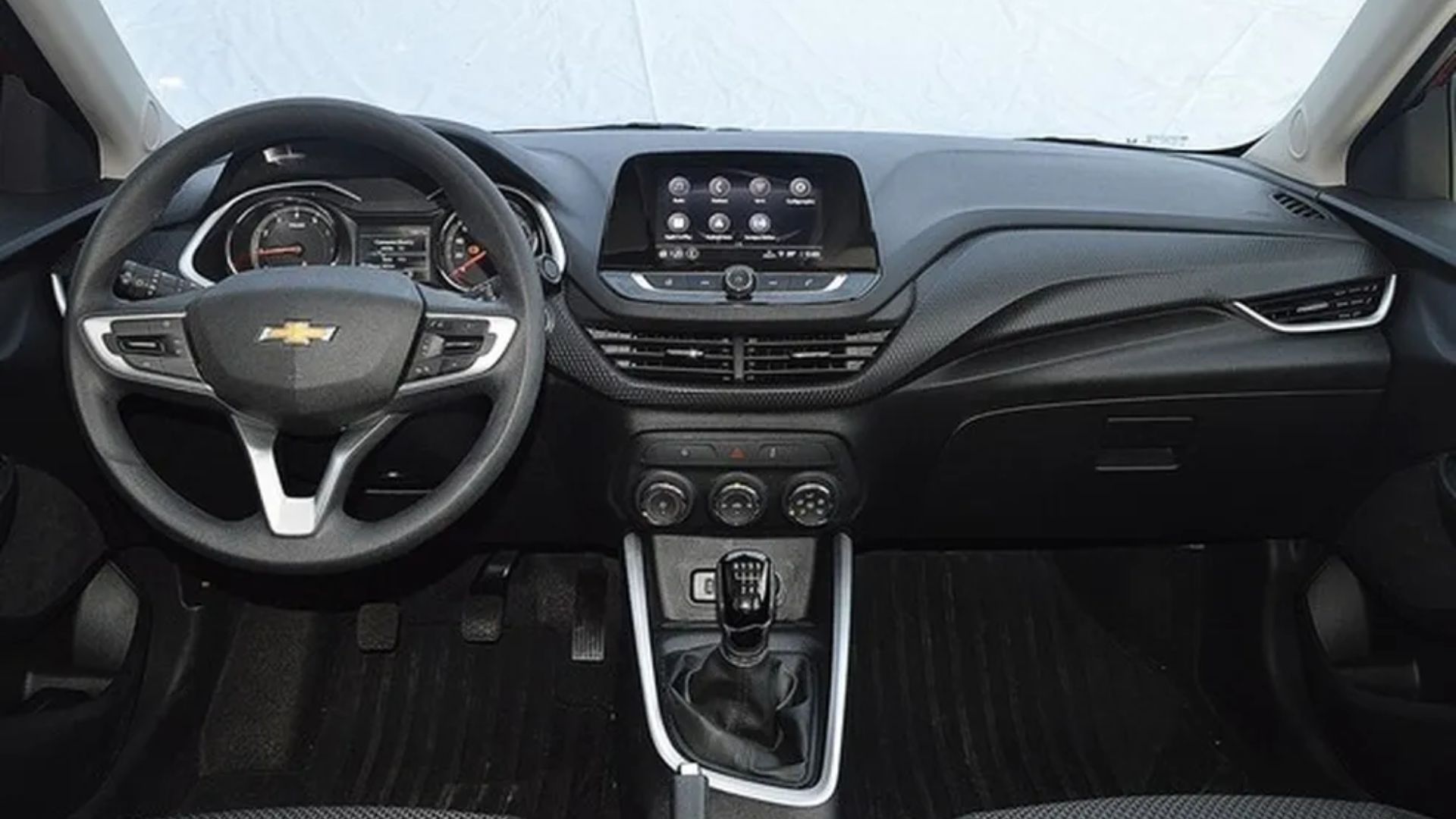
Chevrolet Onix leads the efficiency ranking among flex-fuel cars by Inmetro, achieves almost 18 km/l, and costs less than R$ 100,000.
-
Non-alcoholic beer is not always 0.0%: the drink can appear on the breathalyzer, result in a fine of R$ 2,934.70, suspend the driver’s license for 12 months, and even lead the vehicle to be impounded.

-
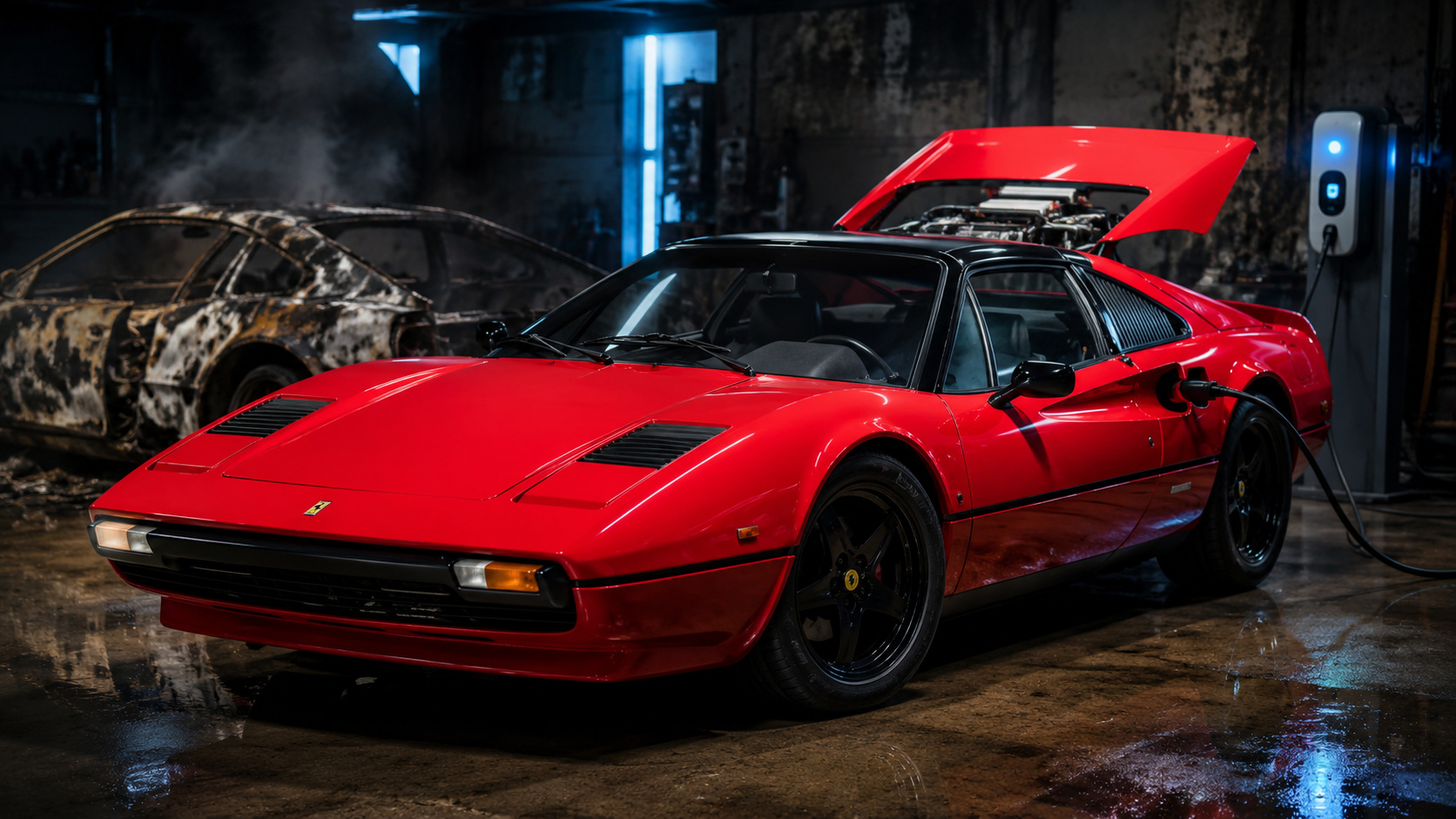
A burned Ferrari seemed destined for scrap, until a company removed the V8 engine, installed three electric motors, and transformed the old sports car into the 308 GTE with a 47 kWh battery.

Instead of merely transforming the model into a rational alternative within the range, Honda intends to reinforce the three-box’s identity with a more sophisticated look, sporty language, and its own presence in the face of the accelerated growth of sport utility vehicles.
New look of the 2027 Honda City bets on sportier lines

Prototypes already spotted on the streets reveal significant changes to the front, especially in elements such as the bumper, front grille, and optical assembly, even though the camouflage hides a considerable part of the definitive design prepared for the 2027 line.
Now, the trend is for the sedan to abandon some of its visual resemblance to the current Civic and adopt an identity closer to Honda’s recent global launches, with horizontal lines, a lower front, and a less cluttered appearance.
Although many point to inspiration from the new Prelude, the manufacturer has not yet officially confirmed this aesthetic relationship, even if the sightings indicate work aimed at making the City sportier, more modern, and aligned with the brand’s international language.
Honda wants to distance the City from the segment occupied by the WR-V
In addition to aesthetic changes, the City’s update also addresses a strategic need within Honda’s own lineup, as the WR-V has begun to occupy a market segment very close to the more expensive versions of the compact sedan.
Produced in Brazil and positioned as an entry-level family SUV, the WR-V increased the internal overlap of the range, requiring the City to gain clearer attributes of sophistication, comfort, and visual identity to avoid direct competition within dealerships.

In recent years, the space occupied by compact sedans has become more restricted due to the accelerated advance of SUVs, a scenario that has forced manufacturers to reinforce differentials related to efficiency, drivability, and fuel consumption to keep this audience interested.
Sedan’s rear will have discreet changes
While the front concentrates the most noticeable alterations, the rear is expected to receive more discreet changes, with a new bumper, internally redesigned taillights, and less rounded lines, according to records released by specialized automotive sector vehicles.
There is also an expectation of new wheels and revised visual details to reinforce the sedan’s sportier proposal, a strategy frequently used by manufacturers to renew the model’s perception without profoundly altering its structure.
Inside, the available information points only to punctual adjustments in finish and upholstery, as there are no official confirmations yet about extensive changes to the dashboard, multimedia center, or equipment package.
1.5 flex engine and CVT transmission remain unchanged

The mechanical part should remain without significant changes.
The Honda City sold in Brazil uses a 1.5 i-VTEC flex engine with direct injection, capable of delivering up to 126 hp and 15.8 kgfm of torque, always associated with a CVT transmission with seven simulated gears.
This powertrain does not use turbocharging or electrification, but it is recognized for its smooth operation and focus on efficiency.
The option to maintain the mechanics reduces development costs and preserves one of the most valued characteristics by the model’s buyers.
The CVT transmission also remains aligned with the City’s proposal. Although it does not offer the behavior of a conventional automatic transmission, it favors comfort in urban use and helps maintain competitive fuel consumption within the category.
City hybrid is not yet part of the plans in Brazil
In other markets, Honda offers hybrid versions of the City with e:HEV technology. This system combines a combustion engine and electric propulsion in a different configuration than that used by mild hybrids, with a focus on urban efficiency.
In Brazil, however, there is no confirmation that the 2027 City will receive this powertrain. Available information indicates that Honda’s hybrid strategy should start with models positioned above, especially in the HR-V family.
The decision keeps the City in a more accessible range within the brand’s lineup. At the same time, it leaves the sedan without a direct response to rivals that are already starting to explore electrification at different levels.
Future of the City Hatchback still raises doubts

The City Hatchback has not yet appeared with the same frequency in tests. So far, the most consistent records involve the sedan, which raises doubts about the update schedule for the hatchback body.
This does not necessarily mean that the model will be discontinued. The hatch occupies an important position below the Civic and serves customers looking for versatility without migrating to an SUV.
Still, the arrival of the WR-V changes the balance of the lineup.
As the new SUV also targets consumers interested in space, a higher driving position, and family use, Honda will need to clearly define the role of each car in the coming years.
Launch of the Honda City 2027 is expected in the next lineup
The debut of the restyled Honda City is expected for the 2027 lineup, with its presentation in Brazil before arriving at dealerships.
The brand, however, has not yet officially announced the date, versions, or prices. Until then, spy shots indicate that the update will be more aesthetic than technical.
The change aims to refresh the sedan’s momentum in a more competitive market, where appearance, positioning, and perceived value weigh as much as fuel consumption and reliability.







-

-

-

-

-

-

71 people reacted to this.