






 Portuguese
  Spanish
  3 min of reading
  0 comments



Japanese Scientists Reveal How Caffeine Can Revolutionize Energy Efficiency in the World by Creating More Efficient and Cheaper Batteries!
In Japan, a surprising discovery promises to transform the way we power our electronic devices and vehicles. Researchers from the Chiba School of Engineering have found that caffeine, the same substance that gives us a morning boost, could be the key to creating more efficient and cheaper batteries. This innovation could drastically reduce the cost of the materials used and increase energy efficiency, solving issues that have long challenged the tech industry.
The Problem with Conventional Batteries
Current lithium batteries, widely used in electronics and vehicles, face significant challenges. Lithium extraction has serious environmental impacts and production costs are high. Attempts to use fuel cells to replace lithium batteries have encountered two major obstacles: the high cost of materials like platinum and the low energy efficiency of the chemical reactions involved. Platinum, essential for the operation of these cells, costs about 30,000 euros per kilogram, making large-scale production unfeasible.
The Japanese Solution: Caffeine
Recently, Japanese researchers published a study in the journal Communications Chemistry detailing an innovative approach. They found that a liquid electrolyte solution containing caffeine can significantly enhance the activity of the oxygen reduction reaction. In simple terms, this means that less platinum is needed for fuel cells to operate efficiently, thereby reducing costs and improving energy efficiency.
-
Leaving the charger plugged in without a phone consumes energy or is it a myth? Experts call the phenomenon “phantom consumption” and warn that dozens of devices on standby can add up on the bill over the year.

-
It accompanies Earth, but it is not a moon: Chinese probe reaches Kamo’oalewa and begins an unprecedented mission to investigate where the strange asteroid came from, what its internal structure is like, and whether its origin is linked to an ancient collision that launched fragments of the lunar surface into space.
-
Space technology used to search for water on Mars is now hunting for invisible leaks under the streets of São Paulo, using satellites, AI, and chlorine signals to help Sabesp recover up to 6.7 billion liters of water.

-
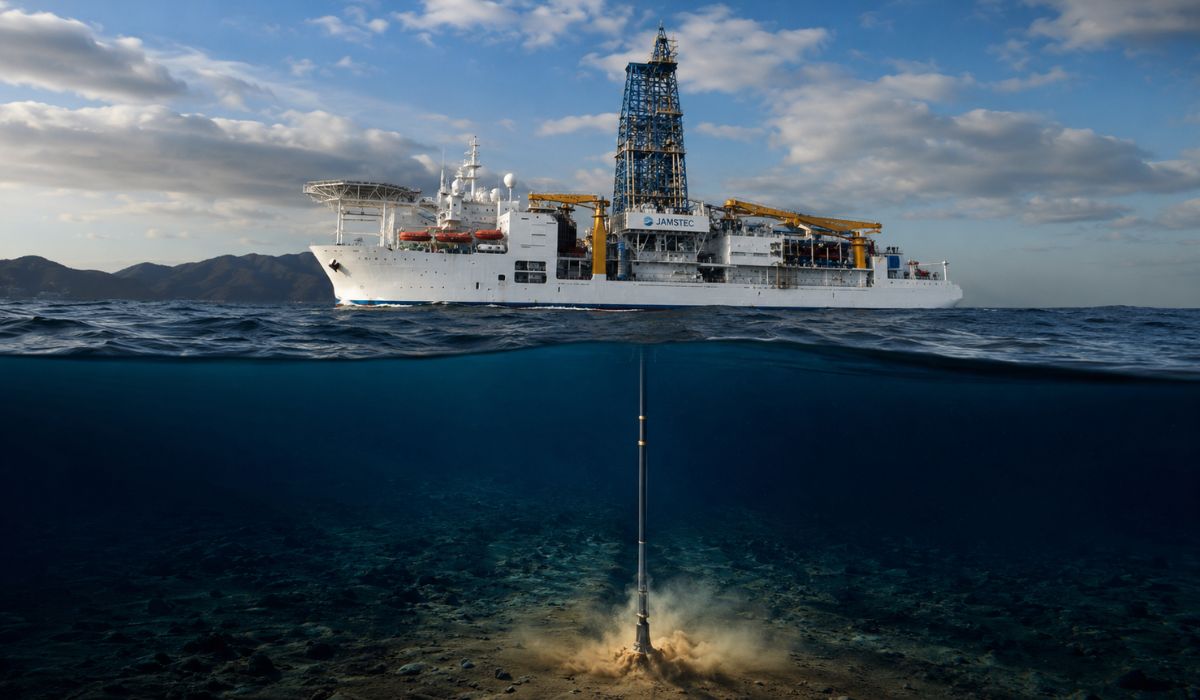
Japan sends ship to extract mud rich in rare earths at nearly 6,000 meters deep in the Pacific, attempts to lift 350 tons per day from the seabed, and transforms sediments near Minamitori Island into a strategic weapon to reduce dependence on China.



How does this work? Fuel cells convert chemical energy into electricity through the reaction between a fuel (hydrogen) and an oxidant (oxygen), facilitated by platinum. Caffeine, by increasing the efficiency of this reaction, allows for a reduction in the amount of platinum needed, while maintaining or even improving energy production.
Future Applications
While it may seem unlikely that our cellphones and laptops will suddenly be powered by caffeine-based batteries, the potential impact of this discovery is vast. Electric vehicles, submarines, and cargo and passenger transport systems could all benefit from this technology. The possibility of a significant reduction in production costs and an increase in energy efficiency represents a revolution in how we utilize renewable energy.
Moreover, reducing reliance on costly and environmentally harmful materials like platinum could alleviate pressure on the planet’s natural resources. Ultimately, this discovery may lead to a new era of more sustainable and accessible energy technologies.
Challenges and Perspectives
Despite the promising discoveries, there are still challenges to overcome before this technology can be widely adopted. Large-scale production of caffeine-containing electrolyte solutions and the integration of these cells into existing devices requires further research and development. However, the initial results are incredibly encouraging.
The next step involves optimizing production processes and conducting tests under real conditions. If successful, this technology will not only revolutionize the battery industry but may also inspire new approaches in other fields of science and engineering.
An Unexpected Key Figure
Caffeine, our daily ally for boosting energy, now reveals itself as a key player in the quest for more efficient and sustainable batteries. With Japan leading this innovative research, we are one step closer to a future where renewable energy is not only viable but also economically accessible. This discovery not only opens new possibilities for battery technology but also reinforces the importance of scientific research in finding creative solutions to modern challenges.
So, the next time you have your coffee, remember that this simple substance could be on the verge of revolutionizing the way we power the world.






Be the first to react!