Portuguese
  Spanish


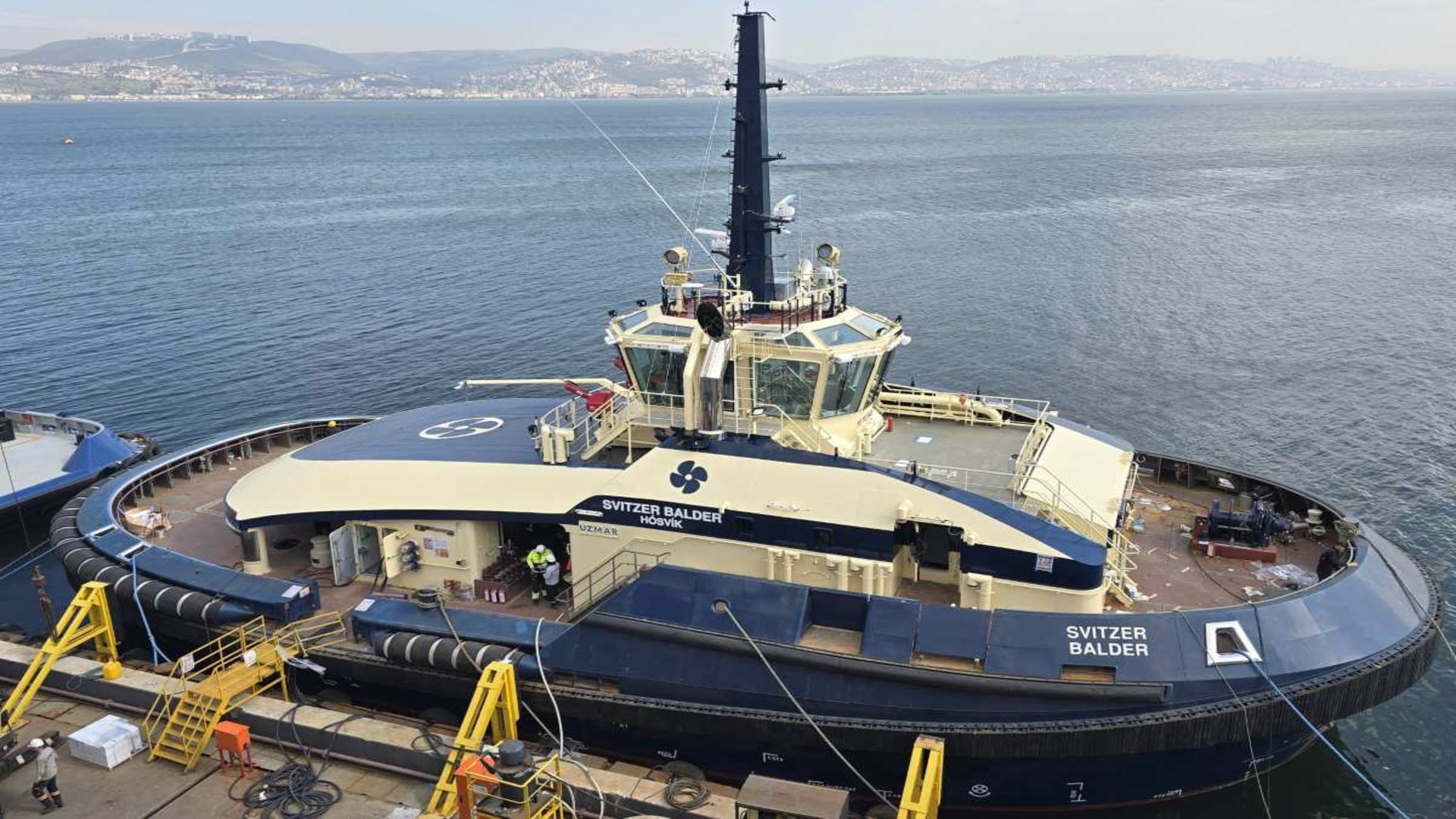

The union of green methanol and large-scale energy storage marks the beginning of a new era for the decarbonization of global maritime transport.
The naval sector has reached a historic milestone with the launch of the world’s first and most powerful electric tugboat, designed to operate with reduced emissions.
The vessel uses an innovative system that combines the use of green methanol with a 6 MWh battery, allowing for high-efficiency port operation. This technological advance represents a decisive step towards the decarbonization of maritime activities, reducing pollutant gas emissions by up to 90%.
Propulsion and energy storage technology
The main innovation of this project lies in the configuration of its power plant, which integrates methanol fuel cells and a robust 6 MWh battery.
-
Brazil Unveils Innovative Monitoring System to Prevent Abandonment of Public Works, Boosting Efficiency and Reducing Waste in Infrastructure Projects

-
AI Video Generator Automatically Creates Subtitles and Animated Captions

-
São Paulo Unveils Latin America’s Largest Underground Reservoir, Holding 900 Million Liters, in the Greater São Paulo Area

-
Chinese Teen Wins Gold in Germany for Invention Turning Air Moisture into Underground Irrigation in Drought-Stricken Areas





This combination allows the tugboat to perform heavy maneuvers without relying exclusively on traditional fossil fuels. The electric system provides the necessary torque for the most demanding port operations, ensuring that power is not sacrificed for environmental sustainability.
The vessel’s autonomy is ensured by intelligent management between clean methanol combustion and electricity storage. The use of the 6 MWh battery acts as the energy core for peak demand, drastically reducing noise and vibration during work in ports.
This modular structure facilitates future technological updates, allowing the vessel to remain at the forefront of naval engineering for decades.
Environmental impact and emission reduction in ports
The implementation of this technology aims to mitigate the severe environmental impact caused by conventional diesel engines in densely populated port areas. With a 90% reduction in emissions, the tugboat equipped with the 6 MWh battery directly contributes to improving local air quality. In addition to carbon dioxide, the technology eliminates the release of sulfur oxides and particulate matter, substances harmful to human health and the marine ecosystem.
The use of green methanol, when produced from renewable sources, creates a carbon-neutral cycle that enhances the benefits of the electric system. The
integration of the 6 MWh battery allows the engine to operate optimally, avoiding fuel waste common in low-load or standby operations. This operational efficiency translates into long-term economic benefits for port operators seeking compliance with new international environmental standards.
Operational efficiency and the future of the maritime fleet
In addition to the ecological benefits, the new electric tugboat demonstrates that the energy transition is viable for heavy-duty vessels.
The simplified maintenance of electric motors, combined with the durability of the 6 MWh battery, offers a competitive advantage over internal combustion models. The success of this prototype should drive fleet renewal in various global ports, setting a new standard for the tugboat industry.
Charging infrastructure and methanol supply are the next challenges for the large-scale expansion of this technology. However, the performance recorded by the 6 MWh battery in real working conditions proves that electrification is the most promising path for short-distance navigation.
The project reaffirms the viability of combining high power and climate responsibility in a single cutting-edge engineering solution.
With information from AYK