






 Portuguese
  Spanish


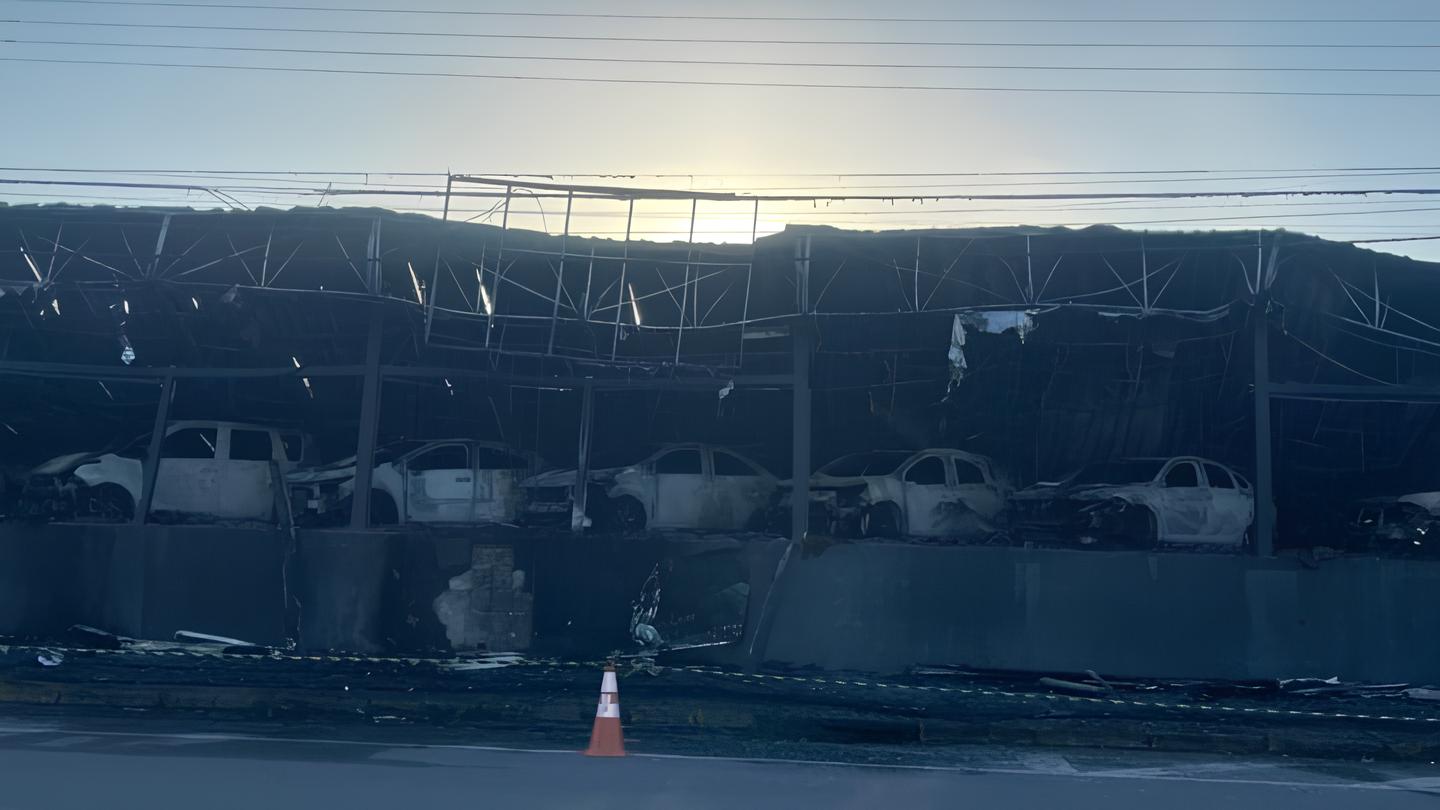


Customer Destroys 54 Cars in Act of Revenge Against Dealership That Denied Warranty; Damage Exceeds R$ 5 Million in Joinville (SC).
In March 2024, a car dealership in Joinville (SC) was the target of an arson that resulted in 54 cars destroyed. The case only became clearer in investigations released in July 2025. According to the Civil Police, the motivation for the attack was revenge against the store after the customer had a vehicle warranty denied.
He reportedly expressed that “no one gets over on me,” a phrase that reflects the discontent that, according to the investigation, led him to commit the crime.
Context and Damage Caused
- The fire destroyed 54 vehicles that were in the dealership’s lot.
- The estimated damage exceeds R$ 5 million.
- The perpetrator of the crime will respond while at liberty, as disclosed by the authorities.
Problem: Discontent, Lack of Warranty, and Drastic Consequence
The investigation indicates that the trigger for the criminal act was what the customer considered an injustice: the refusal of the warranty for the vehicle he purchased.
-
British Factory Transitions from Mechanical Parts to Producing 420,000 Electric Power Units Annually, Supplying 70% of Ford’s Electric Cars Sold in Europe

-
Toyota Shifts from Hybrid Cars to Electric Air Taxis with Joby’s 6-Rotor Aircraft, Capable of 322 km/h, Aiming for Mass Production to Electrify Urban Skies

-
Ferrari Unveils Limited Edition 12Cilindri Manuale: 6.5-Liter V12, 830 HP, 0-100 km/h in 2.9 Seconds, Top Speed Over 340 km/h, Only 1,499 Units Available

-
Discover the 2021 Fiat Cronos 1.3: Affordable Maintenance, Reliable Mechanics, and Fuel Efficiency of Up to 15.6 km/l


This type of commercial conflict, when escalated, can lead to extreme actions. What occurred in Joinville is an example of how a seemingly limited dispute (denied warranty) can evolve into a crime of significant impact.
Legal Aspects and Repercussions
- The act is classified as a crime against property, arson, with severe consequences for material goods and public safety.
- The perpetrator will respond while at liberty, which may indicate that there was no flagrant offense or that bail or a measure other than preventive detention was granted.
- There are commercial and insurance repercussions: million-dollar losses, the need for prolonged police investigation, and possible compensation or insurance coverage if the store has policies that cover arson.
Promise of the Future: Prevention and Responsibility
This case will serve as a warning for retailers, consumers, and authorities:
- Companies must improve their warranty processes: transparency, clear communication, and appropriate regulations to avoid conflicts that could escalate.
- Consumer service regulation may gain strength; consumer protection agencies may use this example to demand more oversight.
- Property security and damage prevention: dealerships and automotive stores may review security measures (monitoring, physical structure, insurance) to prevent similar losses.
- Consequences for the perpetrator: in addition to criminal accountability, there may be civil actions for compensation for damages.
Mark of Destruction and Warning for Retail and Consumers
The fire in Joinville that destroyed 54 vehicles and caused over R$ 5 million in damage was not an isolated incident — it was a wake-up call: when warranties are denied, quietly growing conflicts have the potential to turn into tragedies.
This episode exposes a serious failure in the relationship between customer and store: the expectation of rights (the warranty) versus the company’s refusal. The result? Revenge that crosses legal boundaries, becomes a crime, destroys property, and jeopardizes safety, jobs, and reputation.
For retailers, consumers, and public authorities, the lesson is clear: transparency, contractual respect, and effective mediation channels are not just best practices — they are essential to prevent disputes from turning into flames.


