






 Portuguese
  Spanish


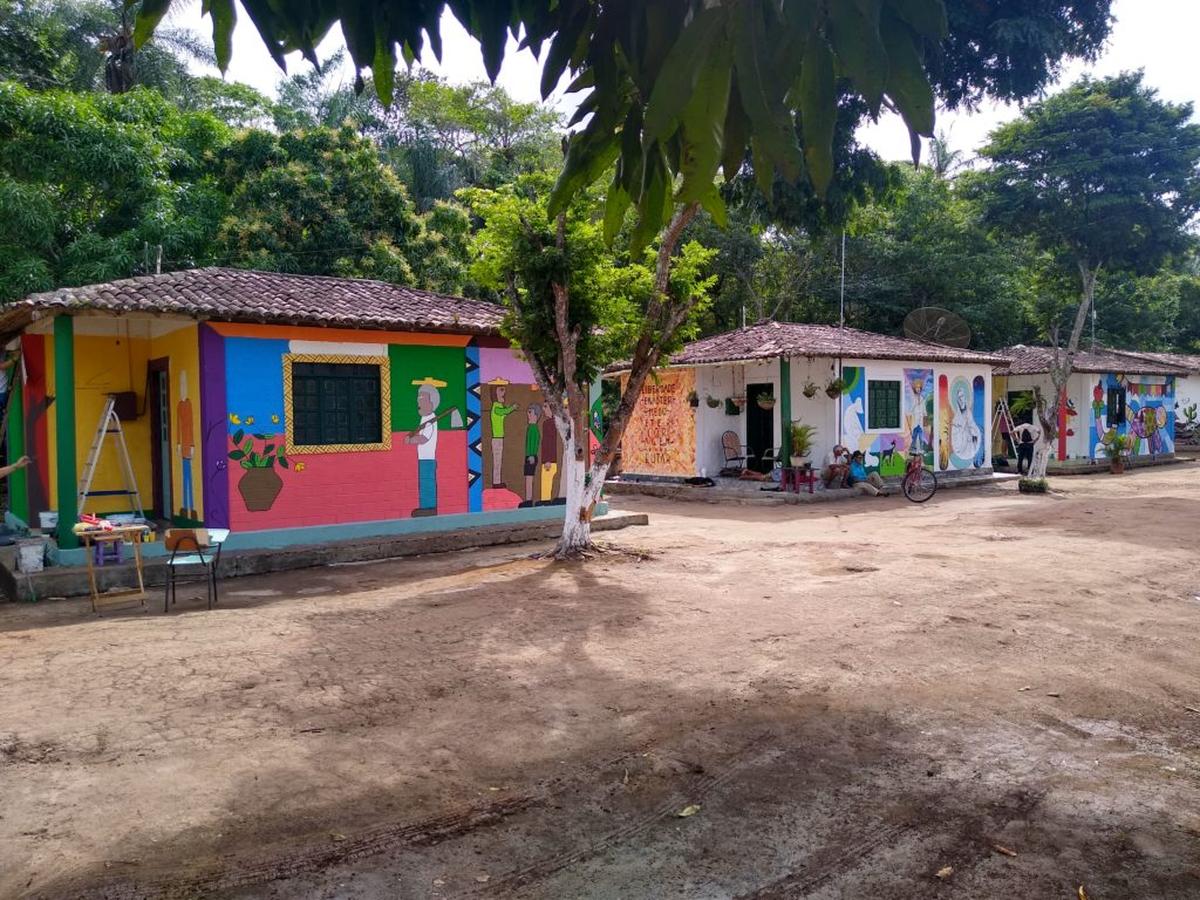


A Collective Project in Areia (PB) Shows How Tradition and Entrepreneurship Can Generate Income, Attract Tourists, and Consolidate a Reference Gastronomic Destination.
In the Borborema Mountains, just seven kilometers from the center of Areia (PB), the rural community of Chã de Jardim began, in 2007, an economic transformation that changed its destiny.
The mobilization led by Luciana Balbino, a History graduate, became essential for residents to see new opportunities. She gathered young people and encouraged the creation of an association. In addition, she sought training in experience tourism, trails, and business management.
Thus, a village that previously survived on small agricultural activities became a reference in creative economy, gastronomic tourism, and social entrepreneurship.
-
Brazil’s 2026 Tax Refund: Record 9.58 Million Filers in Largest Payout Ever, But a Key Detail on Priority Recipients Draws Nationwide Attention

-
Itaú Alters Hybrid Work Model, Increasing Office Days from 2028, Prompting Employees to Adjust to New Routine
-
Facing Labor Shortage, Japan Plans to Invest $34 Million to Attract Foreign Workers in Construction, Healthcare, Industry, and Commerce

-
Brazilian City Makes Remarkable Leap, Becomes 4th Wealthiest in the Country with GDP of R$ 134.1 Billion




Restaurant Consolidates as Economic Engine
The decisive step came in 2008, with the opening of a restaurant. The initial investment was only R$ 10,000, along with borrowed utensils. However, the small space soon stood out in the regional scene.
Today, the restaurant receives up to 1,500 customers on weekends during the high season. Thus, the annual revenue reaches around R$ 1 million, a significant amount for a rural community.
The typical dishes, such as country chicken, buchada, fried tripe, and tanajura, are prepared exclusively with ingredients purchased from local farmers. Therefore, the economic impact is not limited to the restaurant but spreads throughout the community.
According to Luciana, the essence of the business is clear: “I don’t sell food, I sell a gastronomic experience”. This means that visitors consume not just dishes, but also culture and tradition.
Local Trade Grows and Strengthens the Circular Economy
Around the restaurant, the economy diversified. Today, 27 microentrepreneurs manage small shops and craft stores. Each family has thus found a way to integrate into the economic ecosystem created.
In these spaces, tourists can try pitomba popsicles and canjica, as well as purchase handmade toys made from banana plants and typical souvenirs. For many families, these sales represent the main source of annual income.
Luciana summarizes: “Here, it’s not just a restaurant; it’s a chain of entrepreneurs”. Consequently, Chã de Jardim has consolidated a model of circular economy, where consumption generates collective benefits.
Accommodation Diversifies Revenue and Attracts New Audiences
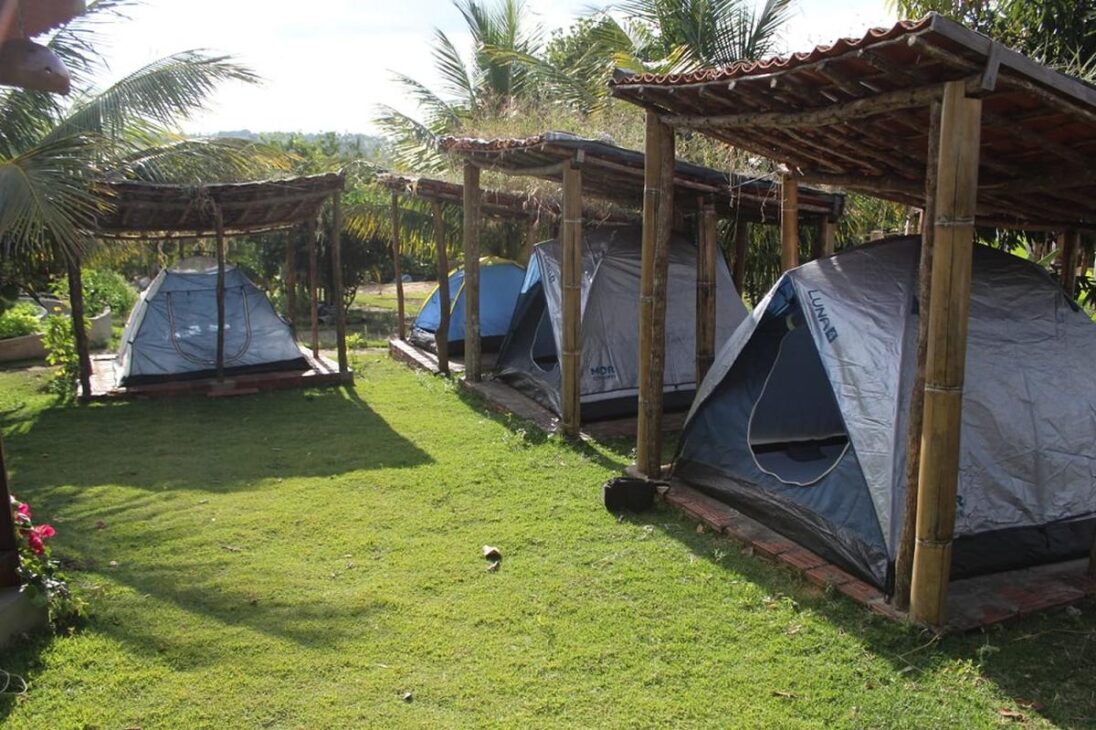
The high demand for accommodation led to the creation of a community inn in 2015, with an initial investment of R$ 60,000. Since then, the business has expanded continuously.
The inn offers three types of accommodation: camping, glamping, and decorated chalets in an affectionate style. Thus, the tourist experience became complete, uniting gastronomy and lodging.
Currently, the inn generates around R$ 300,000 per year, raising the total revenue of the community to over R$ 1.3 million annually. Therefore, the accommodation has established itself as a key factor for economic diversification.
Long-Term Social and Economic Impacts
According to Luciana, the results go beyond the numbers: “Today, I see children saying they want to work here or open businesses in the community”. This means that young people have begun to see future prospects in their own territory.
The economic impact of the initiative, however, is also reflected in the strengthening of human capital. The community has created opportunities that prevent rural exodus and generate financial dignity.
Thus, the project represents an example of social entrepreneurship allied to the creative economy. It proves that it is possible to combine cultural tradition, income generation, and sustainable development.
Timeline of Economic Growth
- 2007 – Community mobilization led by Luciana Balbino.
- 2008 – Restaurant opened with an initial investment of R$ 10,000.
- 2010 – Fruit pulp factory and craft shops begin operations.
- 2015 – Inn opened with camping, glamping, and affectionate chalets.
- 2025 – Total revenue exceeds R$ 1.3 million per year, consolidating the gastronomic hub.
External Recognition and Example for Brazil
The model of Chã de Jardim is already recognized by tourism institutions in Paraíba and studied by researchers from UFPB (Federal University of Paraíba). In addition, municipal and state agencies highlight the experience as an example of sustainable regional development.
This recognition reinforces that the project can be replicated in other rural areas of Brazil. After all, it shows how millions of dollars in gastronomy can be a driver of social transformation and economic growth.
Luciana explains the formula: “The recipe for success is to love what you do, have purpose, and offer something unique”.
Future of Prosperity and Community Legacy
The case of Chã de Jardim is not just a story of tourism and gastronomy. In practice, it is an economic example of how communities can organize to prosper.
With R$ 1.3 million in annual revenue, the experience proves that rural areas can generate wealth and create sustainable business models. Moreover, the legacy inspires new generations to invest in local entrepreneurship.
Therefore, Chã de Jardim has established itself as a national reference in the creative economy, showing that tradition and innovation can walk hand in hand.
And you, do you believe that million-dollar gastronomy can be the way for other Brazilian rural communities to transform culture into economic development?







