






 Portuguese
  Spanish


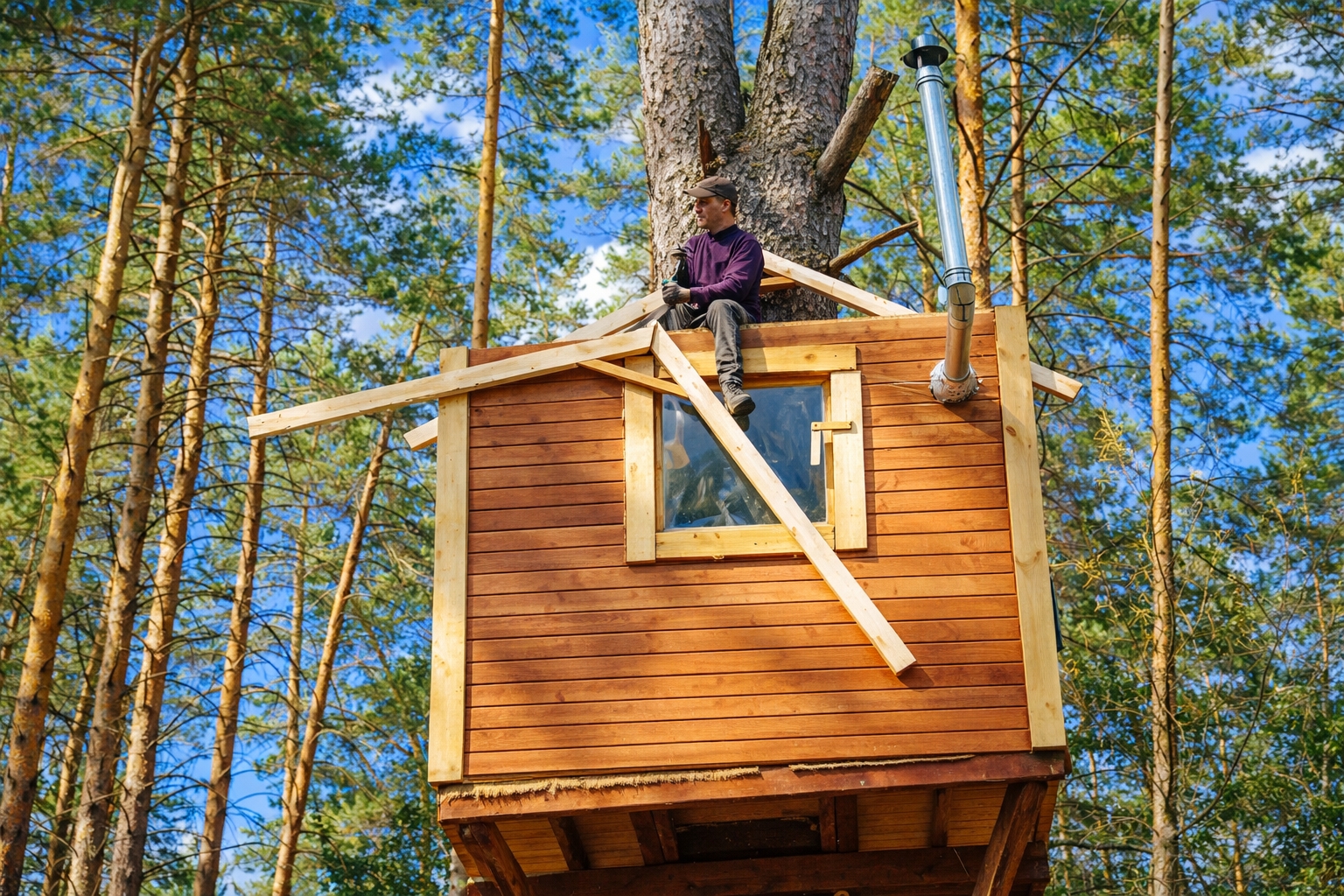


In The Middle Of The Forest, Where There Was Only Irregular Soil And Tall Trees, A Robust Trunk Seemed Destined To Remain Untouched. Soon After, It Supported An Elevated Structure That Challenges Any Idea Of Construction
Nothing Concrete. Nothing Heavy Steel. Just Solid Wood, Portable Tools, And A Precise Sequence Of Technical Decisions That Transformed A Natural Setting Into A Stable Suspended Construction.
The Look Is Impressive, But What Really Catches Attention Is The Engineering Applied Piece By Piece.
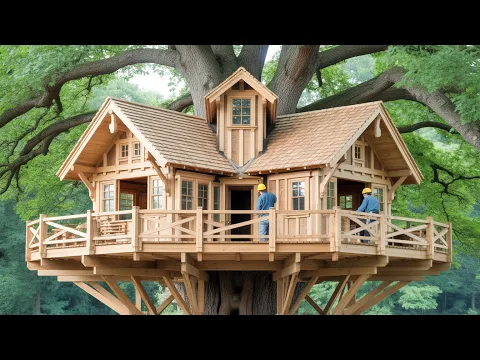

The Structural Challenge Of Using A Natural Trunk As The Main Load-Bearing Column In An Elevated Structure
The Most Daring Decision Of The Skilled Builder Was To Keep The Trunk As The Central Element Of The Structure. Instead Of Removing It, The Builder Made Strategic Cuts To Fit Horizontal Beams Directly Into The Raw Wood.
-
She spent 73 years breathing inside an iron lung, survived the aftereffects of polio, and became the last woman in the United States dependent on the equipment before dying at 78 years old.

-
Brazilian students created a $1 filter using pine bark, cotton, and 3D-printed parts to clean cassava wastewater, reduce the toxicity of a hazardous waste, and transform contaminated water into biofertilizer.

-
Astronaut from Artemis II steps down after mission to the Moon and decision surprises after a record of 406,771 km, a historic 10-day journey, and an unprecedented achievement for Canada.

-
A fossil kept for years in a small museum in Montreal concealed 450-million-year-old soft tissue, a discovery that has only happened once before in history.


Long Screws Passed Through The Trunk Creating Deep Anchoring. This Fixation Point Began To Function As A Vertical Support Base.
According To Experts, Integrating A Natural Element As A Column Requires Precise Alignment. Any Mistake Compromises Load Distribution And Stability.
This Was The First Technical Test Of The Project.
How Horizontal Beams And Wood Flooring Transformed An Empty Space Into A Rigid Platform

With The Column Defined, The Builder Positioned The Beams Around The Trunk Forming The Skeleton Of The Suspended Base.
Before Tightening Each Screw, The Builder Manually Adjusted The Pieces To Eliminate Invisible Gaps. This Step Ensured Uniform Weight Transfer.
Next, The Flooring Was Installed Board By Board Until It Formed A Continuous Surface. The Wood Floor Stopped Being Just A Finish And Became A Structural Rigid Element.
The Space That Previously Had Openings Between Beams Became A Solid Base Capable Of Withstanding Load Without Apparent Deformation.
The Silent Secret Lies In The Deep Connections Between Beams, Columns, And Long Screws
After Consolidating The Platform, Vertical Columns Emerged At The Corners Of The Structure. Smaller Trunks Were Fixed With Screws Passing Through Solid Wood.
The Side Boards Closed The Perimeter And Connected The Floor, Beams, And Columns In A Unique System. The Construction Stopped Being Just Horizontal And Gained Lateral Resistance.
This Detail Rarely Appears In Pictures, But It Defines Stability. The Strength Is Not Just In The Thick Wood, But In The Way Each Piece Connects.
Without These Deep Connections, The Structure Would Lose Rigidity.
Sloped Roof Creates Structural Triangles And Reinforces The Upper Stability Of The Suspended House
At The Top, Sloped Beams Were Installed Forming Structural Triangles. This Geometry Increases Rigidity And Improves Weight Distribution.
On Top Of These Beams, The Wood Roof Was Constructed, Creating Protection Against Moisture And Debris From The Forest.
The Precision In The Fitting Determined The Final Result. According To Experts, Triangular Structures Reduce Movement And Increase Safety In Elevated Constructions.
From This Point, The House Stopped Being Just A Platform With Walls And Began To Function As An Integrated Structural Set.

Anchored Stair Redefines Functionality And Expands The Practical Use Of The Elevated Construction
With The Structure Ready, There Was A Need For Safe Access. The Builder’s Solution Was A Wooden Staircase Fixed Directly To The Platform.
The Steps Were Fastened To The Sides With Through Screws, And The Upper Anchoring Point Received Additional Reinforcement To Reduce Lateral Movement.
This Element Transformed The Work Into Usable Space. The Suspended House Came To Have A Real Function, Not Just Visual Impact.
What Is Most Impressive Is That In A Scene Dominated By Reinforced Concrete And Metal Structures, A Project Executed Only With Solid Wood Demonstrates That Basic Engineering Principles Remain Effective When Applied With Precision.
In The End, What Seemed A Common Trunk In The Middle Of The Forest Supports A Stable, Functional, And Technically Coherent Tree House. The Combination Of Deep Anchoring, Load Distribution, And Triangular Reinforcement Explains Why The Structure Remains Firm Even Elevated.
And You, Would You Trust Your Own Ability To Raise A Suspended Construction Using Only Solid Wood And Simple Tools? Share Your Opinion In The Comments.








Mas a árvore vai crescer, aumentar a espessura com o tempo e a casa vai ficar deformada.