






 Portuguese
  Spanish
  5 min of reading
  0 comments


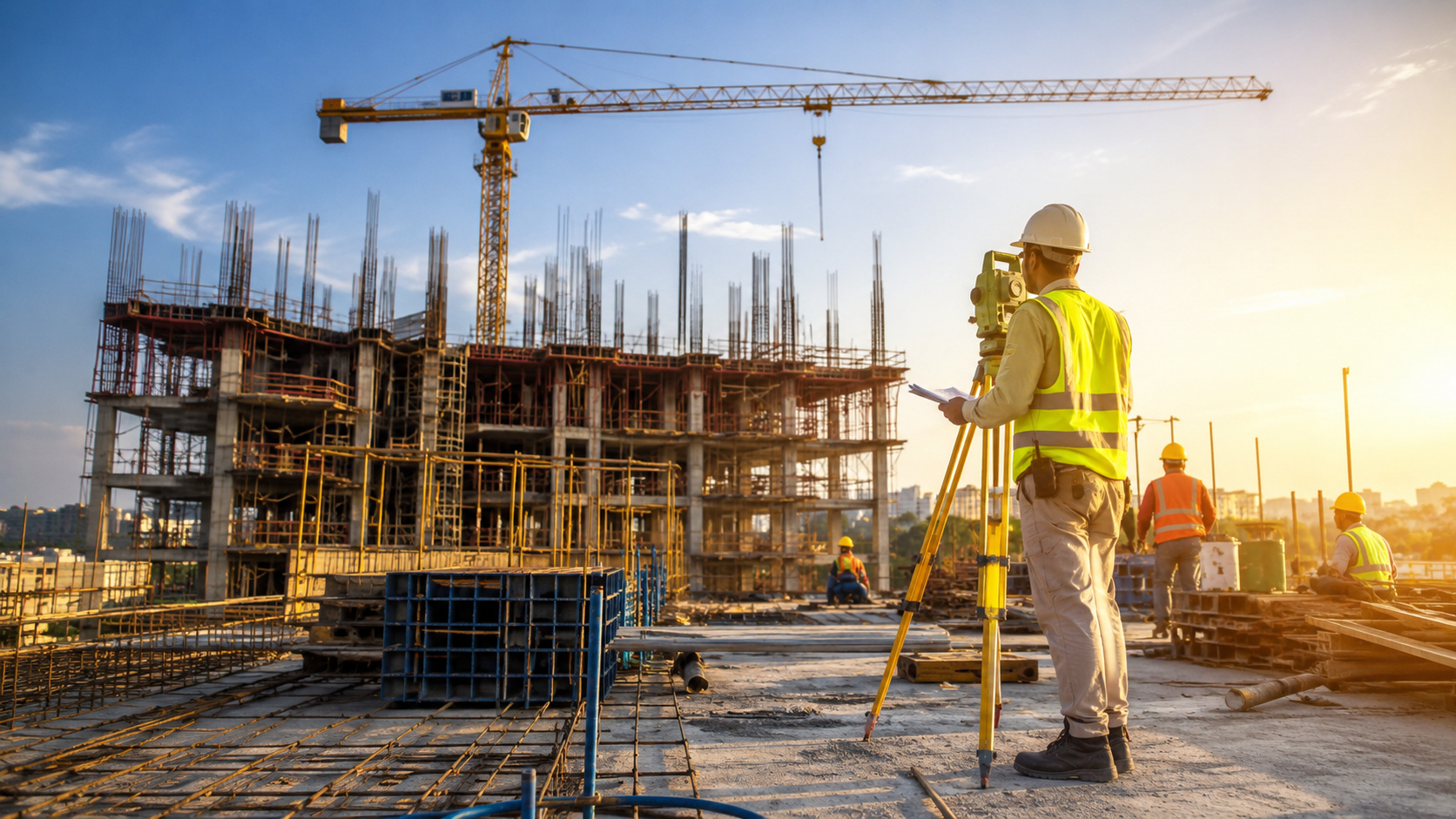
The costs of new housing construction registered an increase of 5.8% in March, compared to the same period in 2025, according to data released by the National Institute of Statistics (INE). The advance was mainly driven by the increase in labor costs, which grew by 8.2%, in addition to a 3.7% rise in construction material prices.
Furthermore, the result represents an acceleration compared to previous months and raises concerns about the impact of inflation on the real estate sector and the housing market. Experts state that the continuous increase in costs can directly influence the final price of properties and slow down the pace of new residential projects.
What caused the increase in construction costs
According to INE, the main factor responsible for the rise was the significant growth in labor costs.
-
Bolivian Female Construction Workers Form Association to Combat Discrimination and 38% Pay Gap in the Industry

-
Near Amsterdam, residents buy land and discover they must also build streets, manage drainage, handle waste, and grow food on half their plot.
-
Brazil’s WEG to Open New Factory in China by 2027, Expanding Production of Large Rotating Electric Machines and Low to Medium Voltage Motors in Rugao

-
Chinese Shipyard Secures $1 Billion in Orders for Low-Carbon Container Ships Amid Global Fleet Renewal Efforts


The lack of qualified professionals in the civil construction sector contributed to higher wages and increased operational expenses for companies.
Furthermore, construction material prices also continued to rise, further pressuring the total costs of projects.
Experts state that the combination of high demand and higher costs is impacting the housing market in different regions.
Labor leads the increase
Labor-related costs rose by 8.2% in March.
This growth reflects the increased demand for specialized workers in areas such as:
- Masons
- Electricians
- Plumbers
- Carpenters
- Finishing technicians
Furthermore, companies in the sector report difficulties in hiring qualified professionals, which increases competition for labor.
In this scenario, wages and labor charges continue to pressure construction costs.
Construction materials also became more expensive
In addition to labor, construction materials registered an increase of 3.7%.
Among the items that most influenced the increase are:
- Cement
- Steel
- Aluminum
- Wood
- Glass
- Electrical materials
Experts point out that international commodity fluctuations and logistics costs continue to affect sector prices.
Furthermore, global inflation still impacts supply chains.
The impact on the real estate market
The increase in construction costs can have significant repercussions on the real estate market.
With more expensive projects, construction companies tend to pass on part of the expenses to the final price of properties.
Furthermore, residential developments may face reduced profit margins.
Experts state that the scenario could slow down real estate launches if costs continue to rise in the coming months.

How the consumer feels the effects
Consumers are also impacted by the rise in construction costs.
In addition to the increase in the price of new properties, renovations and residential expansions become more expensive.
In this context, many families postpone real estate projects due to the increased cost of services and materials.
Experts state that high interest rates and inflation further amplify the challenges for buyers.
The construction sector faces continuous pressure
In recent years, the civil construction sector has faced successive price fluctuations and operational difficulties.
The pandemic, global logistical problems, and rising inflation contributed to increased costs at different stages of construction projects.
Furthermore, the sector continues to deal with a shortage of specialized professionals in several regions.
Experts state that the market is still seeking a balance between demand, productivity, and operational costs.
What explains the labor shortage
The shortage of skilled workers has become one of the main challenges in civil construction.
Many companies report difficulty filling technical positions due to the reduction of available professionals in the market.
Additionally, part of the workforce has migrated to other sectors in recent years.
Experts state that the aging workforce and a decreased interest from young people in civil construction also contribute to the problem.
The impact on new developments
With higher costs, real estate companies began to revise the financial planning of new projects.
Furthermore, construction companies are seeking alternatives to reduce expenses without compromising the quality of the works.
Among the most used strategies are:
- Process automation
- Industrialization of construction
- Supplier review
- Logistics optimization
- Use of construction technologies
Experts believe that innovation can help reduce some of the pressure on costs.
Inflation continues to affect the sector
The civil construction sector remains sensitive to inflation behavior.
When prices of energy, transport, and raw materials rise, the impact usually directly affects construction projects and real estate developments.
Furthermore, economic fluctuations influence financing, investments, and the pace of the housing market.
In this scenario, companies closely monitor economic indicators and monetary policies.
The housing market remains under pressure
The increase in costs occurs at a time of strong attention to housing access and property prices.
In many countries, rising construction expenses have contributed to increased housing costs in recent years.
Additionally, high interest rates make real estate financing difficult for part of the population.
Experts state that the balance between supply and demand remains an important challenge for the sector.
How technology can help
Civil construction companies are increasing investments in technology to improve productivity and reduce waste.
Among the most used solutions are:
- Modular construction
- Digital modeling
- Artificial intelligence
- Process automation
- Smart construction site monitoring
Furthermore, experts believe that innovation will be fundamental to increasing efficiency and controlling costs in the coming years.


What experts expect for the coming months
Analysts state that cost behavior will depend on the evolution of inflation, labor supply, and the global economic scenario.
Additionally, the sector monitors possible changes in interest rates and the pace of real estate activity.
Among the main factors monitored are:
- Cost of materials
- Labor market
- Inflation
- Mortgage rates
- Housing demand
All these elements are expected to directly influence the performance of the civil construction sector.
The future of housing construction
The rise in costs reinforces the challenges faced by the real estate sector in a scenario of inflation and operational pressure.
Furthermore, companies need to balance productivity, innovation, and financial sustainability to maintain competitiveness.
As the market monitors the upcoming economic indicators, experts believe that technology and professional qualification will play an increasingly important role in the evolution of civil construction.
Finally, data released by INE shows that the increase in construction costs continues to be one of the main pressure factors on the housing market and on the price of new properties.






Be the first to react!