






 Portuguese
  Spanish
  3 min of reading
  0 comments


An Uncommon Discovery Rekindled Attention to the Risks of the Nuclear Legacy in the United States. A Wasp Nest with High Levels of Radiation Was Found Inside an Old Facility Used in the Manufacturing of Bombs During the Cold War.
A wasp nest with elevated radiation levels was discovered in a facility in the United States that previously manufactured parts for nuclear bombs.
The incident occurred at the Savannah River Site in South Carolina, near the city of Aiken.
The facility was used during the Cold War to produce plutonium and tritium, essential elements in the construction of nuclear weapons.
-
Helicopter Drops 180 Tons of Sand and Gravel on Swedish River to Revive Ecosystem Damaged by Decades of Exploitation

-
Brazilian Company Launches Retro Smartphone with 48 MP Camera, T9 Keyboard, and Privacy Features for Social Media-Free Use

-
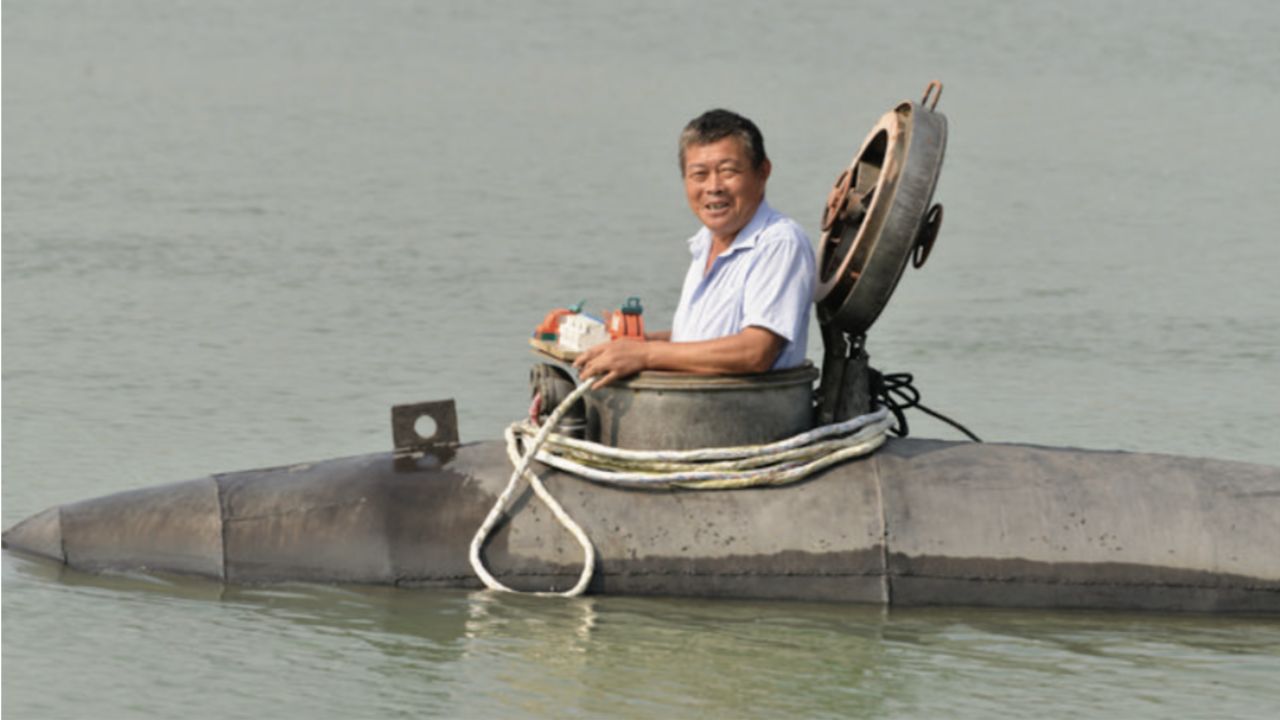
Self-Taught Chinese Farmer Builds 5-Ton Submarine from Scrap, Launches It in Anhui River
-
Invisible Induction Technology Enables Wireless Power for Blenders, Coffee Makers, and Air Fryers, Reducing Countertop Cables




The discovery of the radioactive nest was made on July 7 by workers at the facility. However, the official report on the case was only released on July 22, after more detailed analyses.
The responsible team chose to compare the find with old records of contamination in wildlife before disclosing the data.
Radiation Ten Times Above Allowed
The most important finding was that the nest exhibited a radiation level of 100,000 disintegrations per minute per 100 square centimeters.
This represents more than ten times the limit allowed by federal regulations in the United States, according to Appendix D of the Code of Federal Regulations 10 CFR 835.
Shortly after the find, technicians sprayed insecticide on the nest to eliminate the wasps. They then packaged the material as radioactive waste.
According to the report, the case was classified as “legacy radioactive contamination,” meaning that the origin of the radiation is old, inherited from past nuclear operations.
There are no indications of new leaks or loss of control of the material.
No Risk of Contamination in Surroundings
Despite the scare, analyses confirmed that neither the soil nor the areas surrounding the nest showed signs of radiation.
The Savannah River Mission Completion management stated that, even if there were live wasps, the contamination levels in the insects would be low.
Therefore, there is no need for additional actions, and other operations at the site continue as normal.
Another important piece of information is that the tank where the nest was found is within the restricted area of the facility.
Since wasps have a limited flight range, the risk of contamination outside the complex is considered minimal.
Cold War Legacy Still Active
The Savannah River Site began operations in the 1950s. For decades, it was a key piece in the American nuclear program, primarily in the production of materials used in atomic bombs.
With the end of the Cold War in 1992, the site’s mission changed. Since then, it has been dedicated to managing nuclear waste, environmental decontamination, and research development.
Currently, the facility stores about 34 million gallons of liquid nuclear waste in 43 underground tanks.
Recently, the site also implemented a new system for transporting used nuclear fuel.
The goal is to reduce processing time and facilitate the permanent disposal of this material in the future.
One of the changes includes the replacement of the aluminum alloy in the transport containers. This new version dissolves more quickly, accelerating work in the chemical separation units, such as the H Canyon.
Reference to the Chernobyl Case
The case of the radioactive wasps has brought comparisons to Chernobyl, the site of the largest nuclear disaster in history.
In areas near the reactor, researchers have already found dogs and other animals with traces of radiation.
However, studies show that these animals did not turn into mutant creatures, but rather survivors who were able to adapt to a hostile environment.
This parallel reinforces the lasting impact of radiation on the environment and how nuclear waste can still influence nature decades after the cessation of industrial and military activities.





-

1 person reacted to this.