






 Portuguese
  Spanish


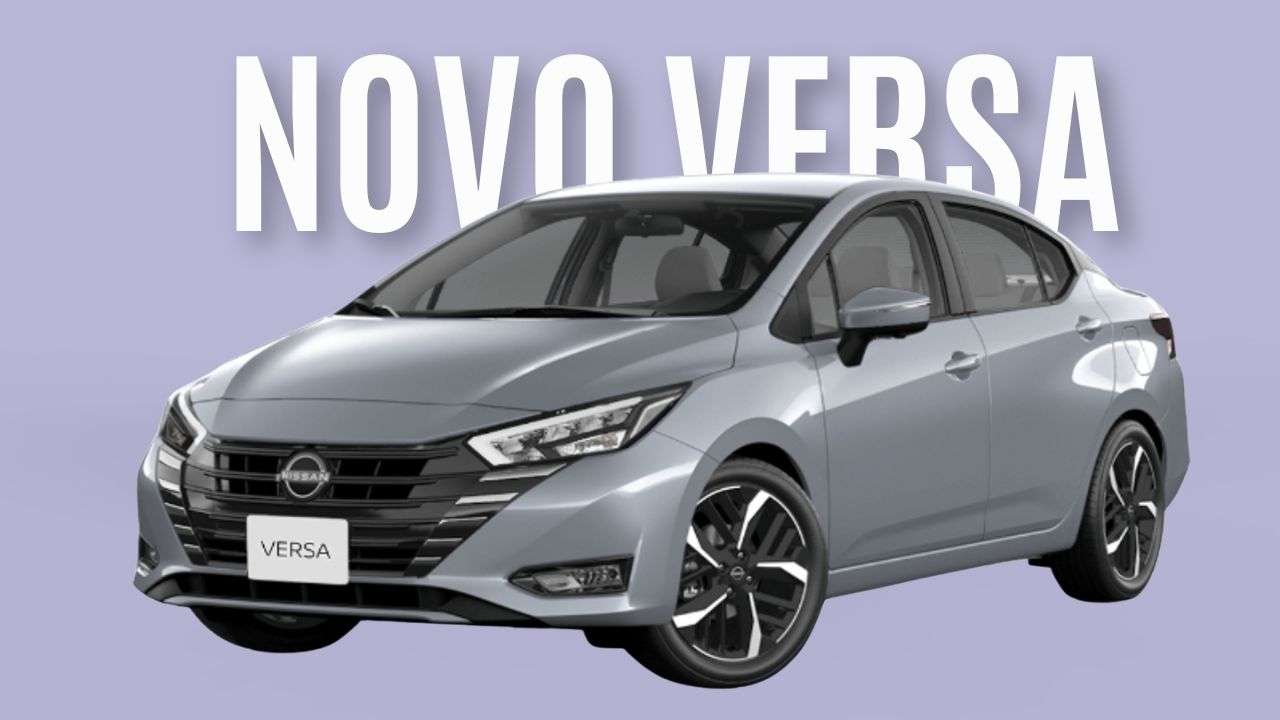


The New Nissan Versa 2025 Hits The Market With A 1.6 Liter Naturally Aspirated Engine Producing 113 Hp, CVT Transmission, And Efficient Fuel Consumption Of Up To 15 Km/L On Gasoline. The Entry-Level Sense Version Retains Advanced Safety Features Such As Emergency Braking Assistance And Front Collision Warning, And Has An Initial Price Of R$ 117,600.
The Nissan Versa 2025 Arrives In Brazil With Few Changes, But Retains A Strong Point: The 1.6 Liter Naturally Aspirated Engine. Unlike Some Competitors, It Has Not Adopted A 1.0 Turbo Engine. The Model Remains One Of The Most Economical And Reliable Compact Sedans On The Market.
Updated Design, But With Cost Cutting
The Design Follows Nissan’s Identity, But With Some Savings. The Side Mirrors Are Black, While The Door Handles Match The Body Color. The Alloy Wheels Are A Positive Point, Replacing The Standard Hubcaps Found In Basic Versions Of Other Sedans.
At The Rear, The LED Tail Light Stands Out. The 466-Liter Trunk Is Among The Largest In The Category, Ideal For Travel. Inside, Comfort Is Ensured, With Good Legroom And Headroom, Even For Taller Passengers.
-
2027 Toyota Corolla Cross Unveiled: New Design, Enhanced Fuel Efficiency, Reduced Maintenance Costs, Advanced Technology, Connected Services, and Up to 10-Year Warranty

-
Fiat Cronos Precision 2018: Affordable Sedan with Spacious Trunk and Reliable Maintenance
-
Volkswagen to Cut Production by 1 Million Cars by 2030, Reducing Jobs and Platforms, Focusing on More Profitable Models

-
Toyota Launches First 100% Electric Car in Brazil: bZ4X with 343 HP, All-Wheel Drive, 361 km Range, Priced at $419,990 BRL, Limited to 99 Units



More Safety Than Expected
Despite Being The Entry-Level Version, The Nissan Versa 2025 Surprises With Features Typically Found In More Expensive Versions. It Comes With Emergency Braking Assistance, Front Collision Warning, And Cruise Control.
The Model Comes With Four Airbags As Standard, Stability And Traction Controls, And Rear Parking Sensors. These Features Enhance Safety And Make The Model More Competitive Against Rivals Like Chevrolet Onix Plus And Volkswagen Virtus.
1.6 Liter Engine And Efficient Fuel Consumption
The 1.6 16V Flex Engine Delivers 113 Hp With Ethanol And 110 Hp With Gasoline. The Torque Is 15.3 Kgfm With Ethanol And 15.2 Kgfm With Gasoline. The CVT Transmission Simulates Six Gears, Providing Smooth Shifts And Better Fuel Efficiency.
The Consumption Figures Are Good For The Category:
- City: 8.1 Km/L With Ethanol And 11.8 Km/L With Gasoline.
- Highway: 10.5 Km/L With Ethanol And 15 Km/L With Gasoline.
The Model Goes From 0 To 100 Km/H In 10.7 Seconds And Reaches A Maximum Speed Of 180 Km/H. The Reliability Of The Mechanical Set Is Also A Highlight, As The Naturally Aspirated Engine Has A Lower Maintenance Cost Compared To Turbos.
Is It Worth Buying The Nissan Versa 2025?


The Nissan Versa 2025 Stands Out For Its Economy, Comfort, And Safety. Its 1.6 Liter Naturally Aspirated Engine May Not Be The Most Modern, But It Offers Reliability And Low Fuel Consumption. The Spacious Interior And Large Trunk Make It A Great Option For Families.
If The Priority Is An Economic, Safe Sedan Without Mechanical Surprises, It Remains One Of The Best In The Segment.









Eu comprei um zero km Advance , o meu de Montes Claros a BR 040 posto faisão o meu fez 18 andando com ar ligado.
Carro top, tá na frente do monopólio
Muita bom