Portuguese
  Spanish



Various States in the Northeast Are Surpassing Other States in Brazil and Other Countries in Renewable Energy Generation
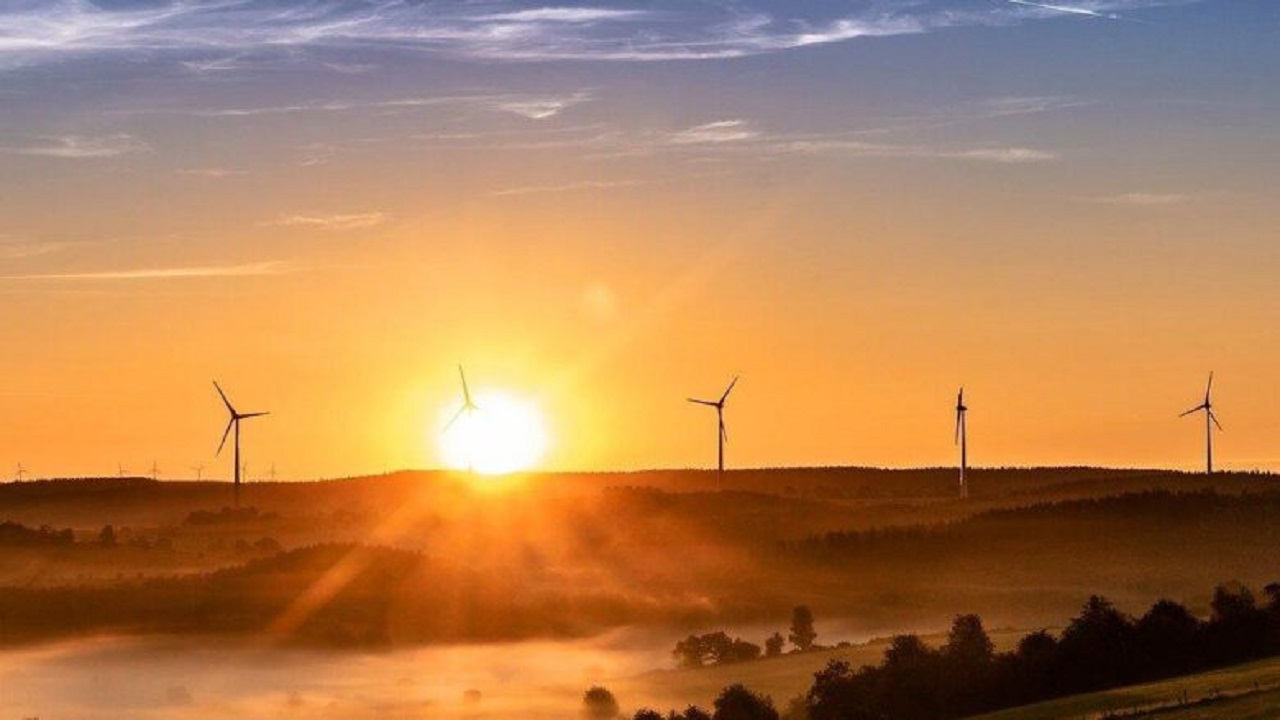
In recent years, Pernambuco has joined the group of the five largest producers in the renewable energy market, attracting various partnerships and investments, but which are still almost unknown in the Northeast region, including in terms of publicity by the state government itself. Meanwhile, Pernambuco is already the fourth state with the most solar energy projects, totaling 2,989 MW, ahead of Ceará. It is estimated that, in the coming years, it will also surpass Rio Grande do Sul in wind energy production. Currently, the state has about 417 wind turbines, but it is expected to double that number in a few years.
Also Read
Northeast Region Is a Leader in Renewable Energy Generation and Distribution
With the Northeast leading in renewable energy production, the renewable energy business potential in Pernambuco, according to Reive Barros, Director of Construction at Chesf, is 74 GW in wind energy and about 1,220 GW in solar energy.
The current CEO of Brannand Energia and former president of Chesf, Mozart Sequeira, states that Pernambuco has high wind and solar potential, and the development and implementation have either been completed or are ongoing. According to the CEO of Brannand Energia, Brazil is in a very good phase, even envied for its enormous potential for wind energy production.
-
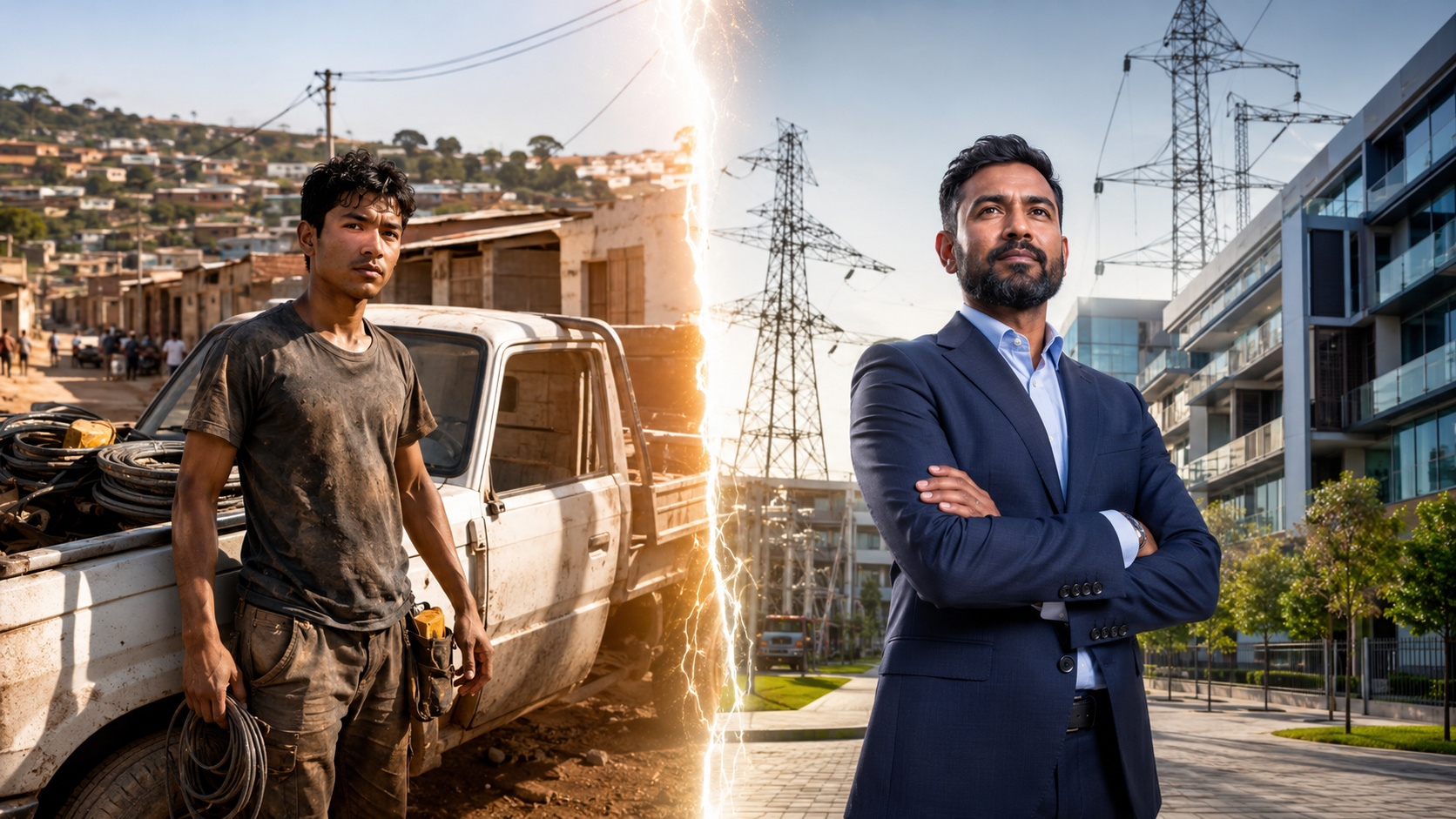
Fired during apartheid and with a little borrowed money, an electrician started with a borrowed truck and transformed electrical services into a group connected to energy, real estate, and infrastructure in South Africa.

-
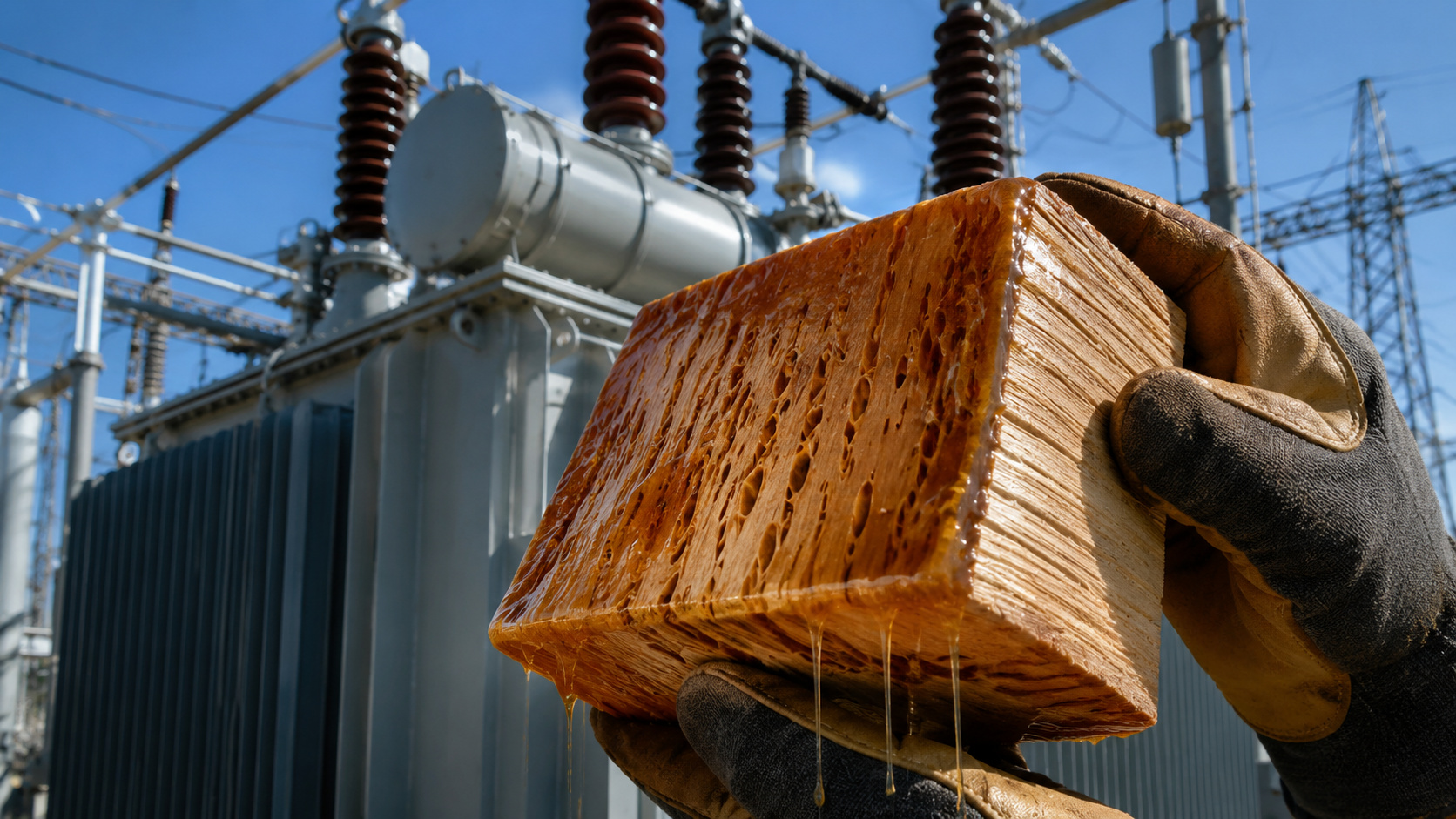
Wood has ceased to be just a construction material in Yale research and has become insulation for electrical transformers that face intense heat, aging, and increasing pressure from the renewable energy-powered grid.
-
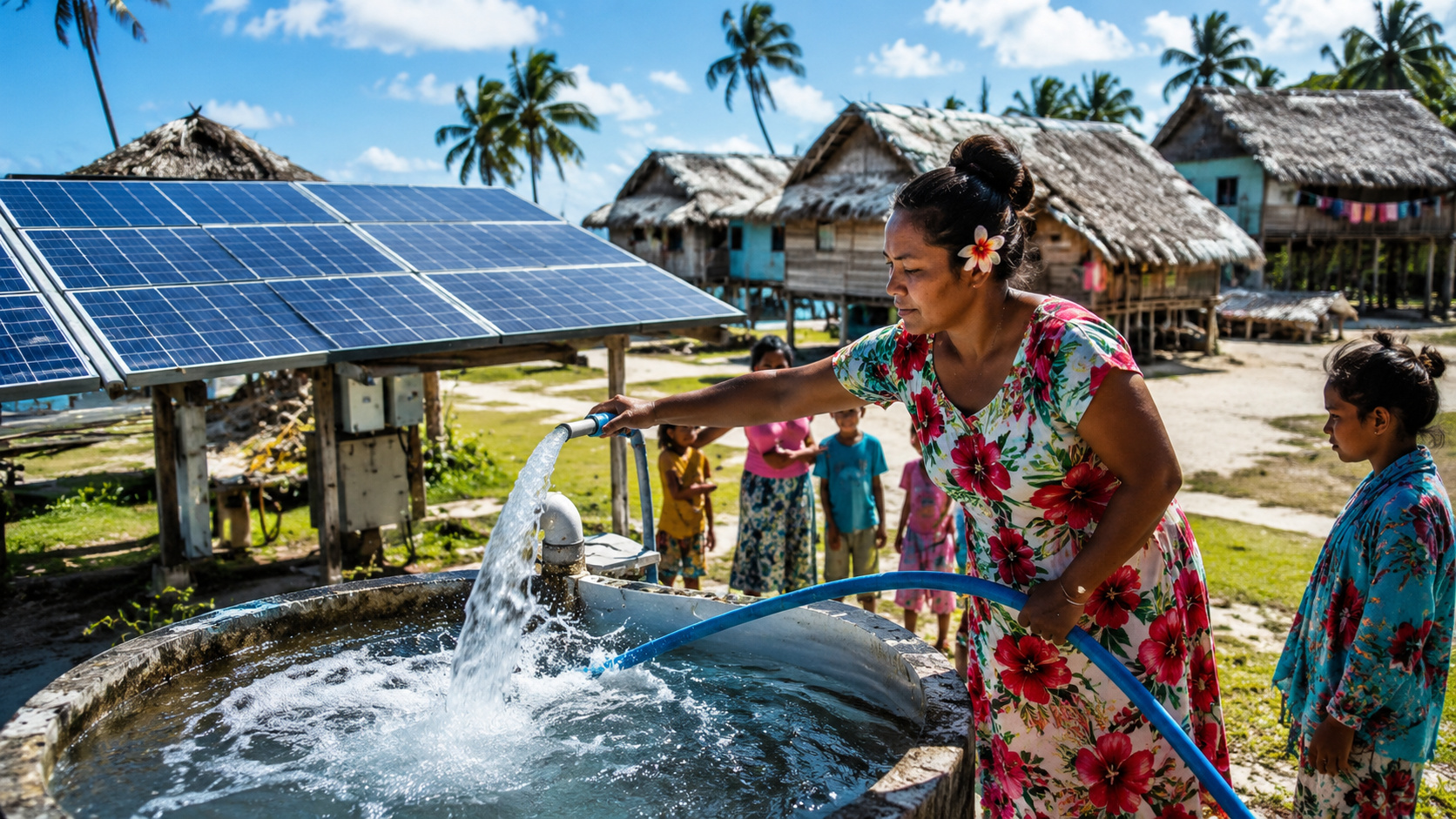
More than 1,000 residents of a remote island in Kiribati now have clean water and electricity with solar systems operated by the community itself.
-
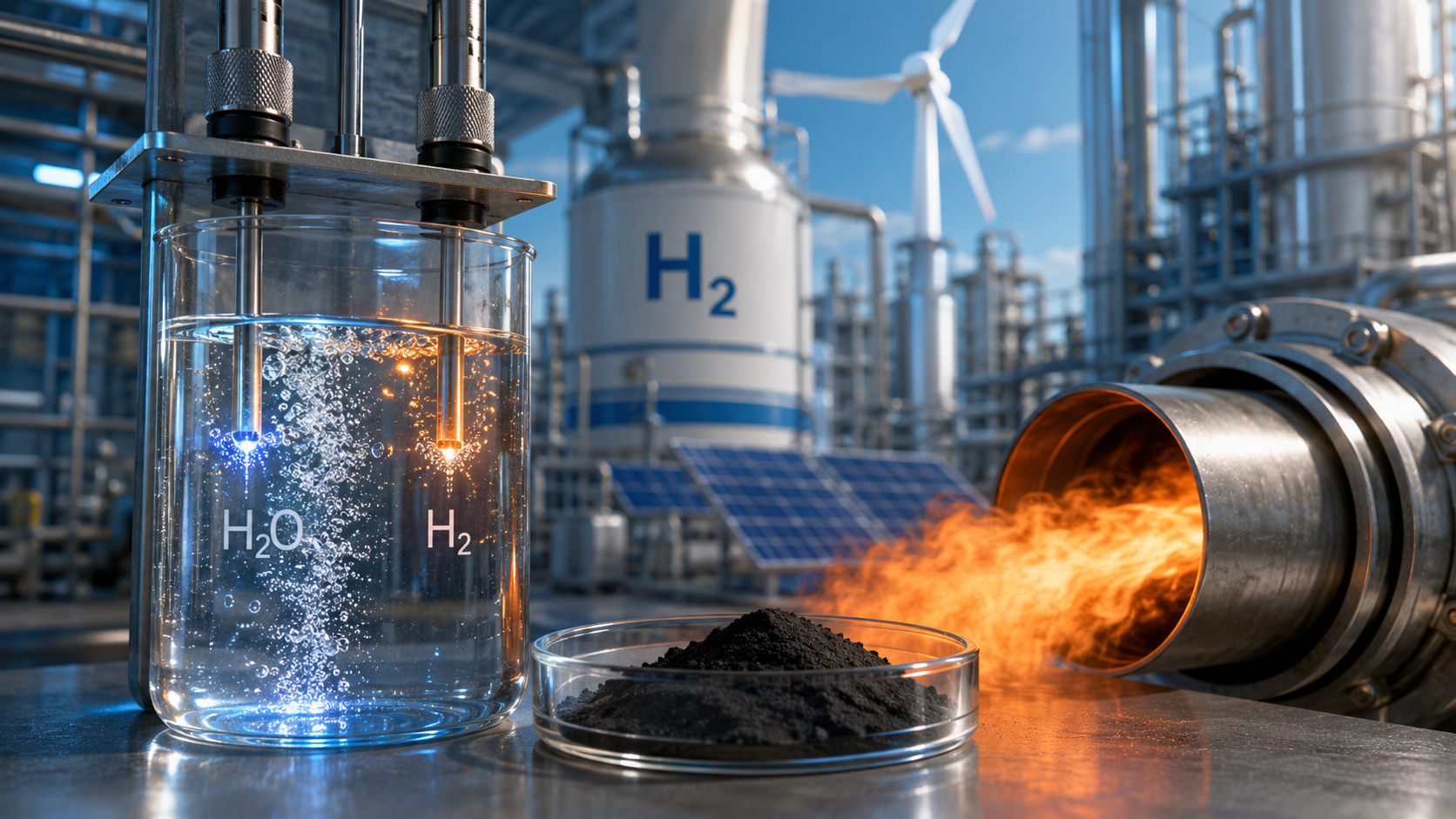
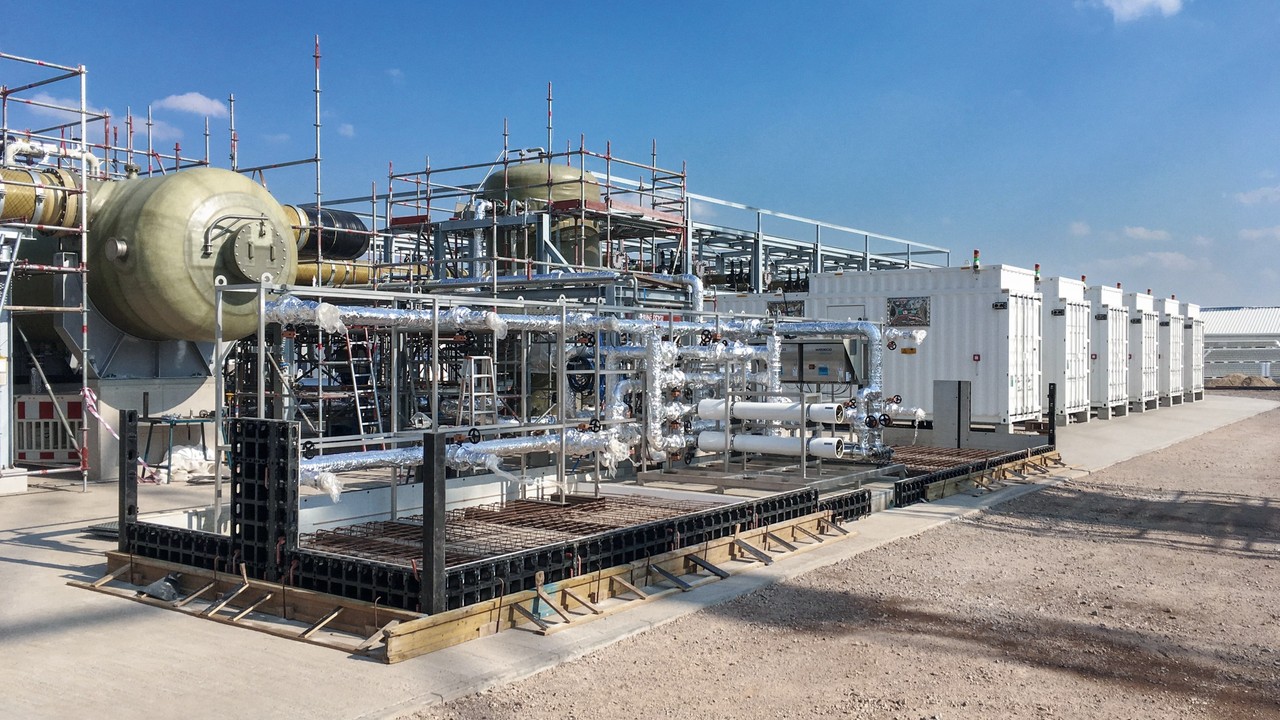
Ceará brings together 7 giants and R$ 66 billion to transform Pecém into the largest green hydrogen hub in Brazil, with final decisions expected by the end of 2026.

Growth of Renewable Energy Generation in Brazil
The generation of solar energy and other renewable sources has grown tremendously in Brazil, which today has about 4,574 MW in centralized generation or solar parks and another 7,617 MW in distributed generation, which deals with the use of solar panels on the roofs of thousands of homes and businesses.
All of this adds up to 12.19 GW, with an investment of R$ 62.2 billion. In terms of wind energy, the business has been generating over R$ 35.8 billion, with 751 parks across 12 states, housing 8,820 wind turbines with a capacity of 20.10 GW, which will increase to 32.23 GW by 2026.
High Adoption of Renewable Energy Generation Parks
Even though the number of installed solar parks may not be visible to consumers, it is a concrete fact that public lighting services, hospitals, and schools are utilizing or enabling the possibility of using this mechanism to help reduce state expenses.
Thinking about this, Celpe built a new substation, with 230,000 volts, in the Arcoverde region, intending to serve the entire area with public schools and hospitals, as a way to encourage the switch from conventional energy to that from renewable sources.
In addition to all of this, there is also an effort to ensure that small and medium-sized solar projects are made feasible and provided by the tax policy adopted by the states, which exempts ICMS in the energy sector for energy self-producers, allowing consumers to finance their own renewable energy generation parks.