Portuguese
  Spanish




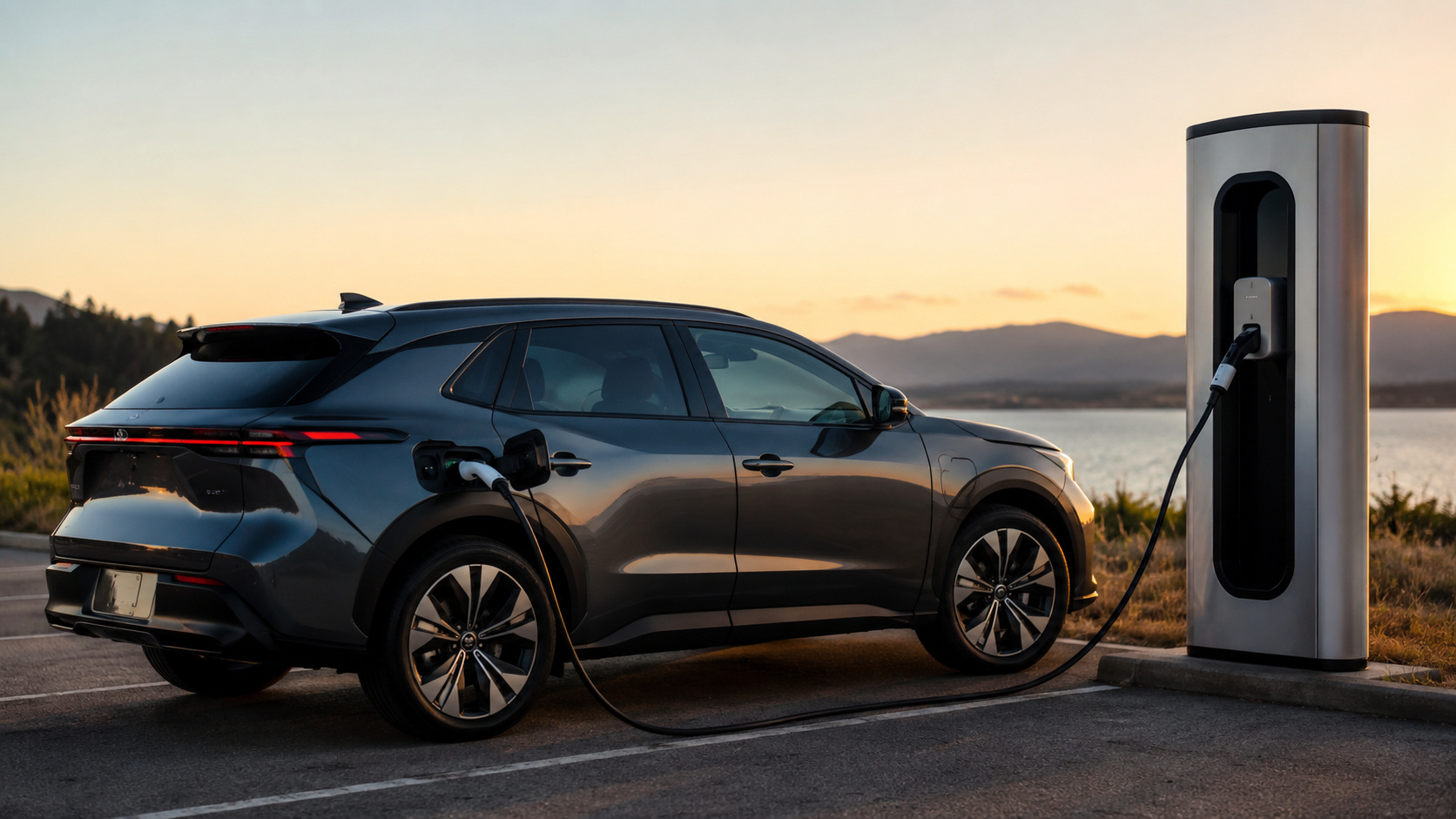
With Almost 90% of New Car Sales Being Electric in 2024, Norway Leads the Global Automotive Revolution and Is About to Fully Eliminate Gasoline and Diesel Vehicles.
Have you ever imagined a country where practically all new cars are electric? It seems like a distant future, but in Norway, it is almost a reality. In 2017, the country set an ambitious goal: to ensure that by 2025, 100% of the vehicles sold would be electric or plug-in hybrids. And do you know what’s incredible? They are on the verge of achieving that goal!
The Ambitious Goal: 100% Electric Cars by 2025
While many countries were still discussing the transition from diesel to gasoline, Norway was already envisioning a future free of emissions. In 2017, only 5.1% of cars sold in Spain were electrified, while Norwegians planned to revolutionize the automotive market. With a clear vision and effective strategies, the country achieved impressive numbers: by 2024, nearly 90% of the cars sold were electric.
Why Norway Leads the Electric Car Market?

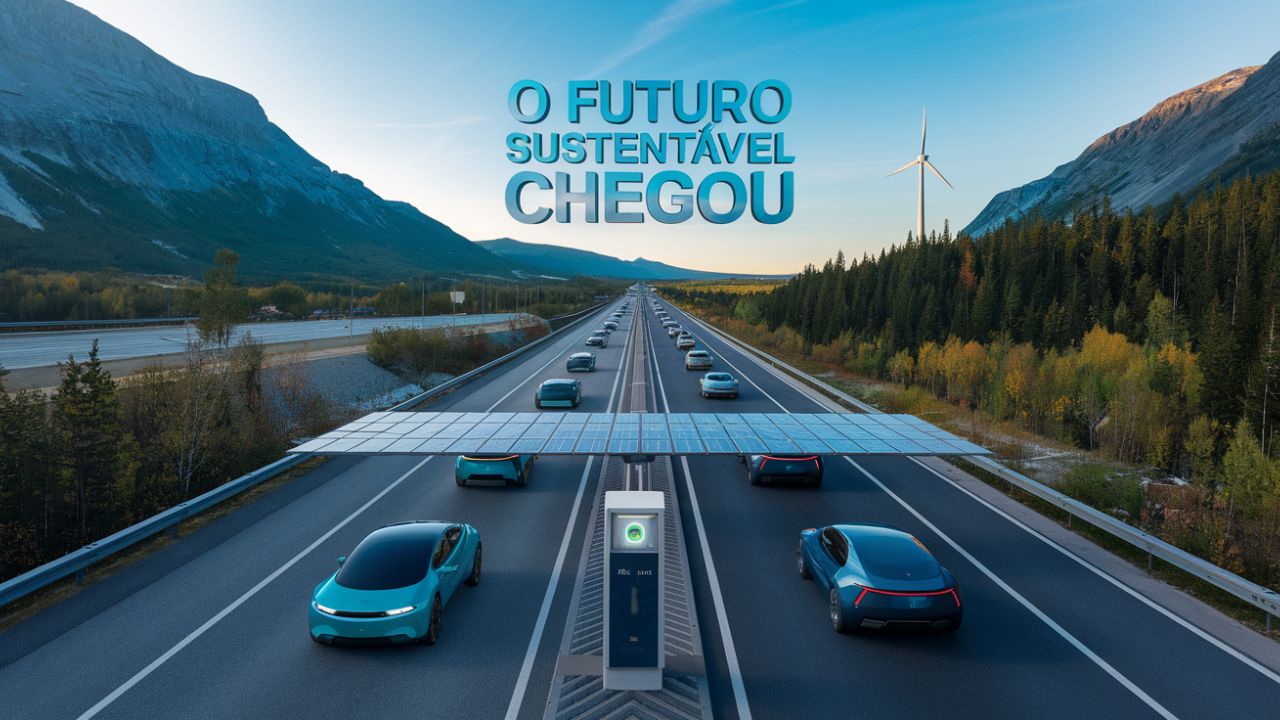
The secret lies in the combination of smart incentives and collective awareness. In Norway, buying an electric car is cheaper, thanks to the exemption from VAT (25%) and import taxes. The government has heavily invested in building a robust infrastructure, with charging stations spread throughout the country.
-
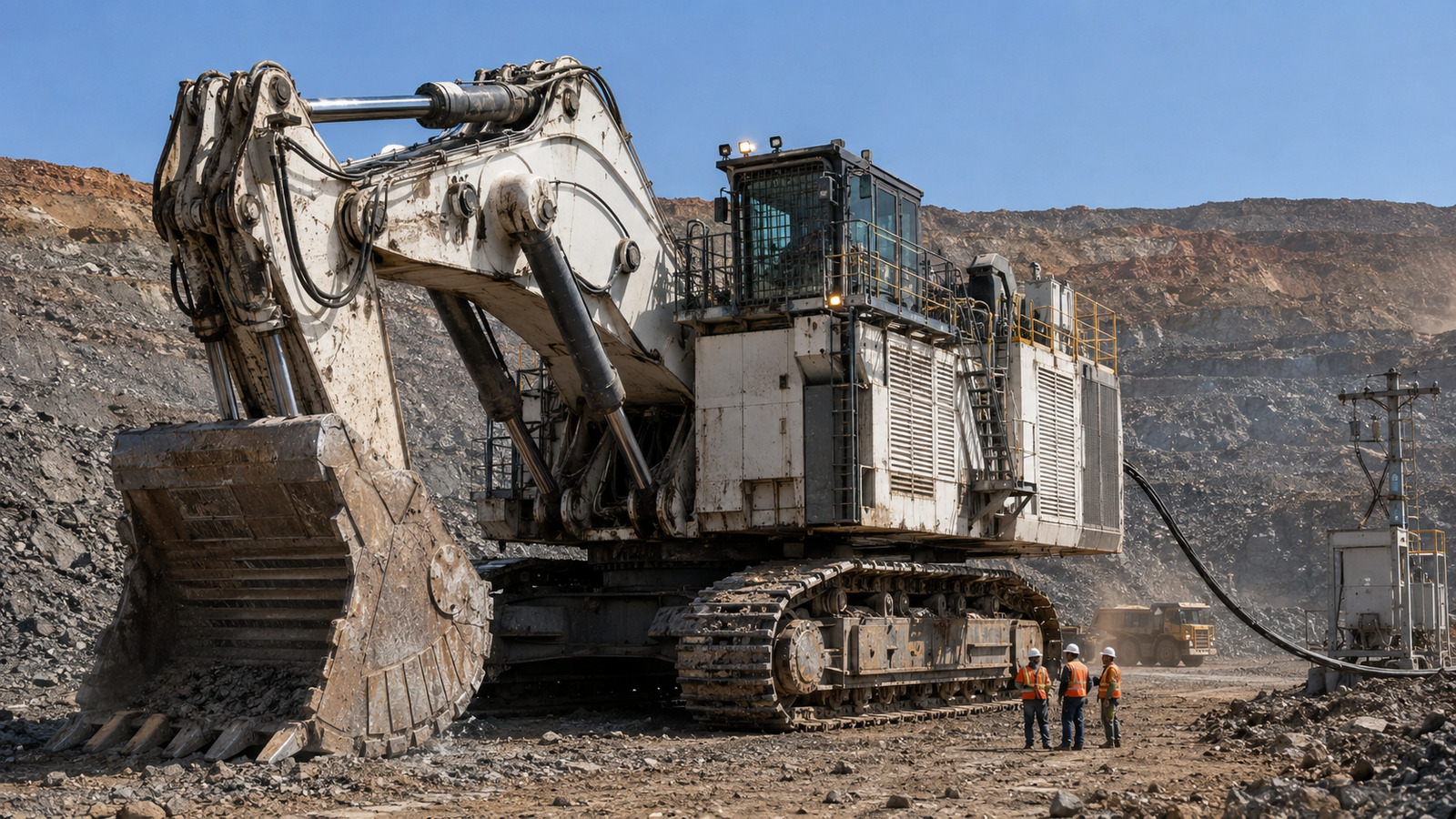
Unprecedented achievement in India: a colossal 650-ton, nearly 3,000 hp excavator is transformed into 100% electric, marking a new phase in heavy mining.

-
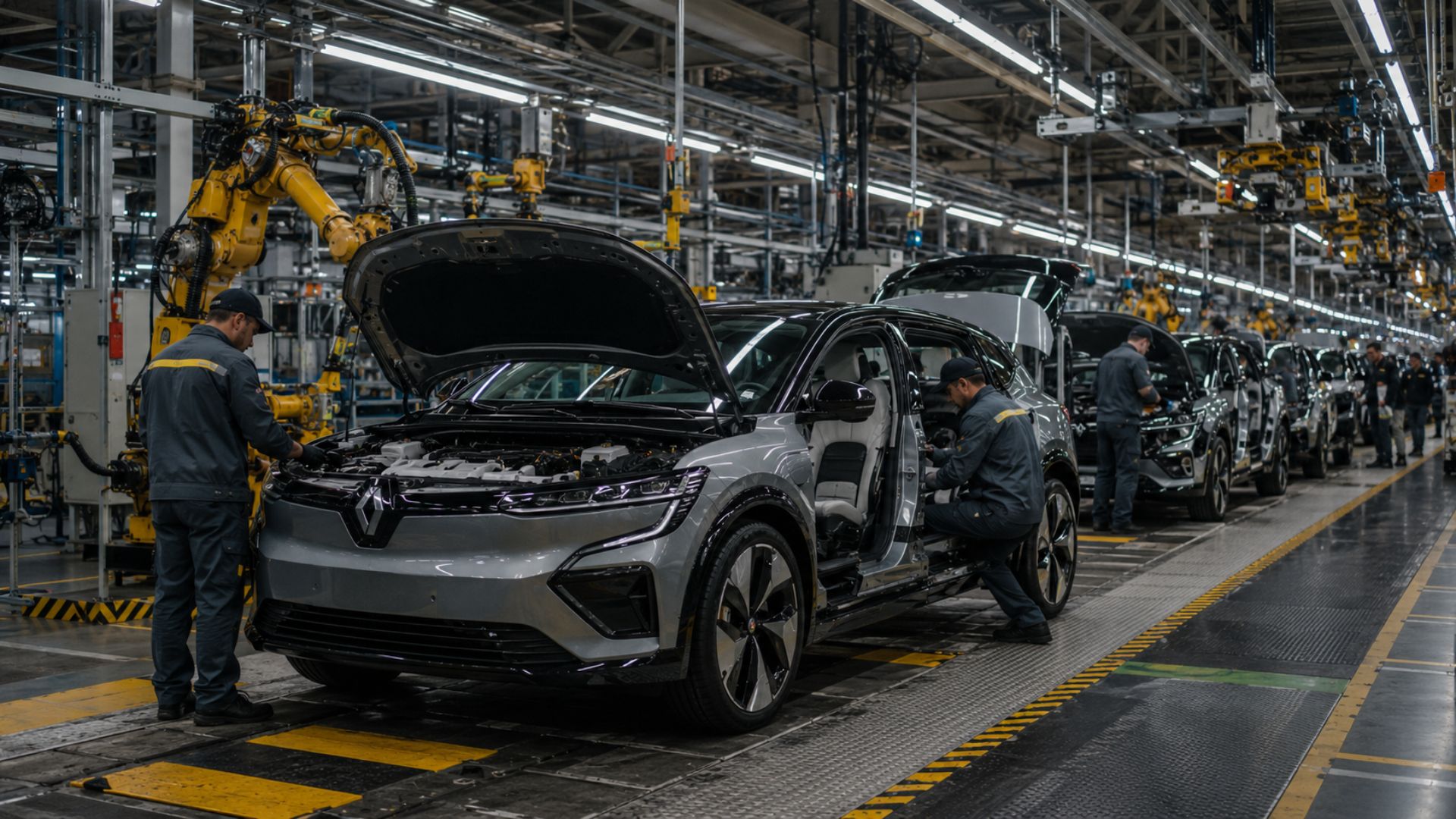
Frightened by the speed of Chinese manufacturers, Renault decided to mimic the pace, made the new electric Twingo in just 21 months, wants to repeat the feat with 36 models by 2030, and along the way, will cut up to 2,400 engineering positions.

-
Chinese battery from Dongfeng promises to exceed 1,000 km without relying on liquid electrolyte, and the detail behind the technology could change the electric car competition.

-
The end of the automotive combustion era has already begun, but many in Brazil have not yet realized the magnitude of the shift towards Chinese electric cars.
Another important point is the mentality of Norwegians. With a focus on sustainability, the population has embraced the idea of reducing CO2 emissions, realizing that electric cars are not only better for the environment but also for the wallet.
The Numbers Don’t Lie: The Electric Era Has Arrived
Want proof? In November 2024, 93.6% of the cars sold in Norway were fully electric. For every gasoline or diesel car sold, hundreds of electric cars took to the streets. In the same year, the country recorded a historic milestone: the number of electric cars surpassed that of gasoline vehicles for the first time.
And what about plug-in hybrids? In Norway, they occupy a minimal market share, with only 2.7% of sales in 2024. The country chose to leap directly into the future, leaving intermediate solutions behind.
The Economic and Environmental Impact
The transition to electric cars brought clear benefits. CO2 emissions plummeted, helping the country meet its climate goals. However, this revolution did not come without challenges. The tax exemptions created a revenue deficit, forcing the government to adjust its policies to maintain fiscal balance.
Even so, the long-term strategy proved to be wise. Encouraging the adoption of electric cars helped transform Norway into a global example of sustainable mobility.
Lessons from Norway for the World
What can the rest of the world learn from Norway? First, that well-planned public policies make all the difference. Second, that environmental education is crucial for engaging the population. And lastly, that the electric future is within our reach — it just takes political will and determination.
So, if a small Scandinavian country managed to transform its vehicle fleet in such a short time, why couldn’t others do the same? After all, the future doesn’t wait. And Norway is already at the finish line while the rest of the world is still warming up its engines.