Portuguese
  Spanish


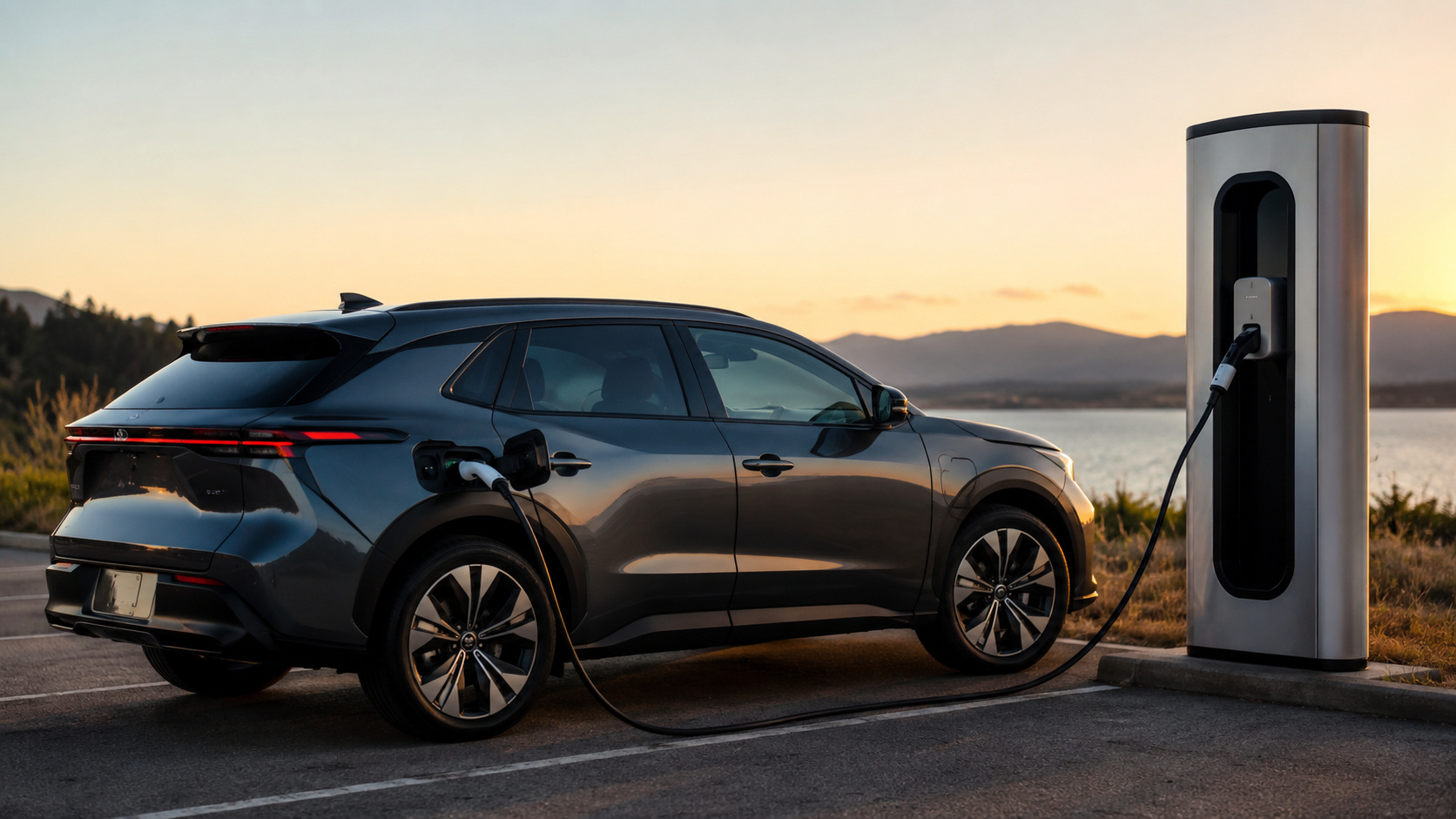

The Brazilian standard is more conservative, reduces the range reported on labels, and requires drivers’ attention when comparing electric vehicles
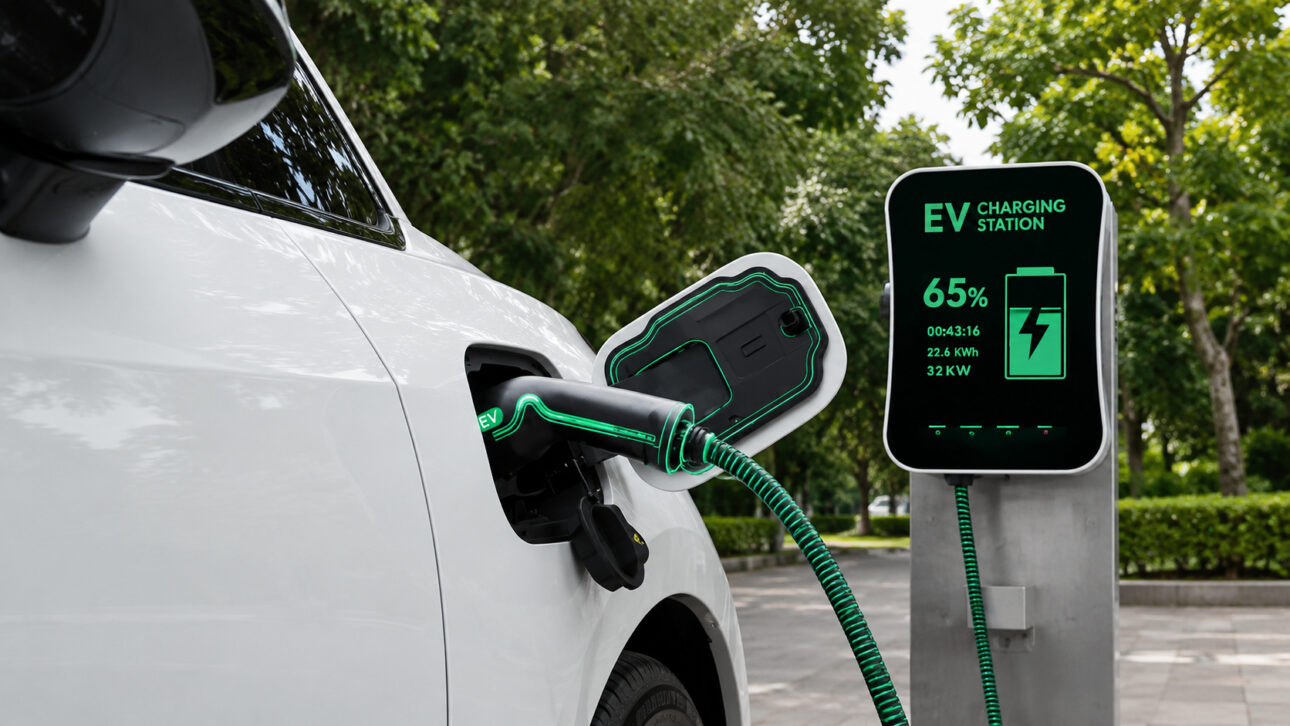
The advancement of electric vehicles in Brazil has brought a new concern for those evaluating the purchase of an electrified car. The range displayed on Inmetro labels often appears below the range observed under real usage conditions, according to Clemente Gauer, coordinator of the Working Group on Safety and member of the ABVE Board of Directors. According to ABVE, the Brazilian market advanced 26% in 2025, with 223.9 thousand electrified vehicles registered in the year. This increase has made the correct reading of labels a decisive point for consumers who wish to understand the real capacity of the available models.
Technical review reveals difference between label and real use
The Brazilian measurement standard, called PBEV, is considered one of the most conservative among the main cycles used worldwide. Clemente Gauer explains that each country adopts its own criteria, with different levels of requirements. The Chinese cycle operates under conditions closer to ideal, with low and constant speeds. The European WLTP uses a less optimistic method but can still exceed reality in some cases. The North American EPA, on the other hand, is described by the expert as the closest to everyday use.
The PBEV applies a correction factor of 30% on laboratory tests and still delivers more conservative numbers than the EPA standard. Gauer’s assessment is that this methodology can create a distorted perception in the consumer. A vehicle indicated with 240 kilometers on the label, for example, may run about 320 kilometers under real conditions. Therefore, the expert recommends adding between 10% and 20% to the value declared by Inmetro to arrive at an estimate closer to practice.
-
Electric and Hybrid Cars Set to Transform Brazilian Streets: A New Era Begins

-
Chinese Giant Invests $1.3 Billion in Brazil to Produce 50,000 Cars Annually, Create Jobs, Develop Local Suppliers, and Manufacture Electric, Hybrid, and Combustion Models by 2027

-
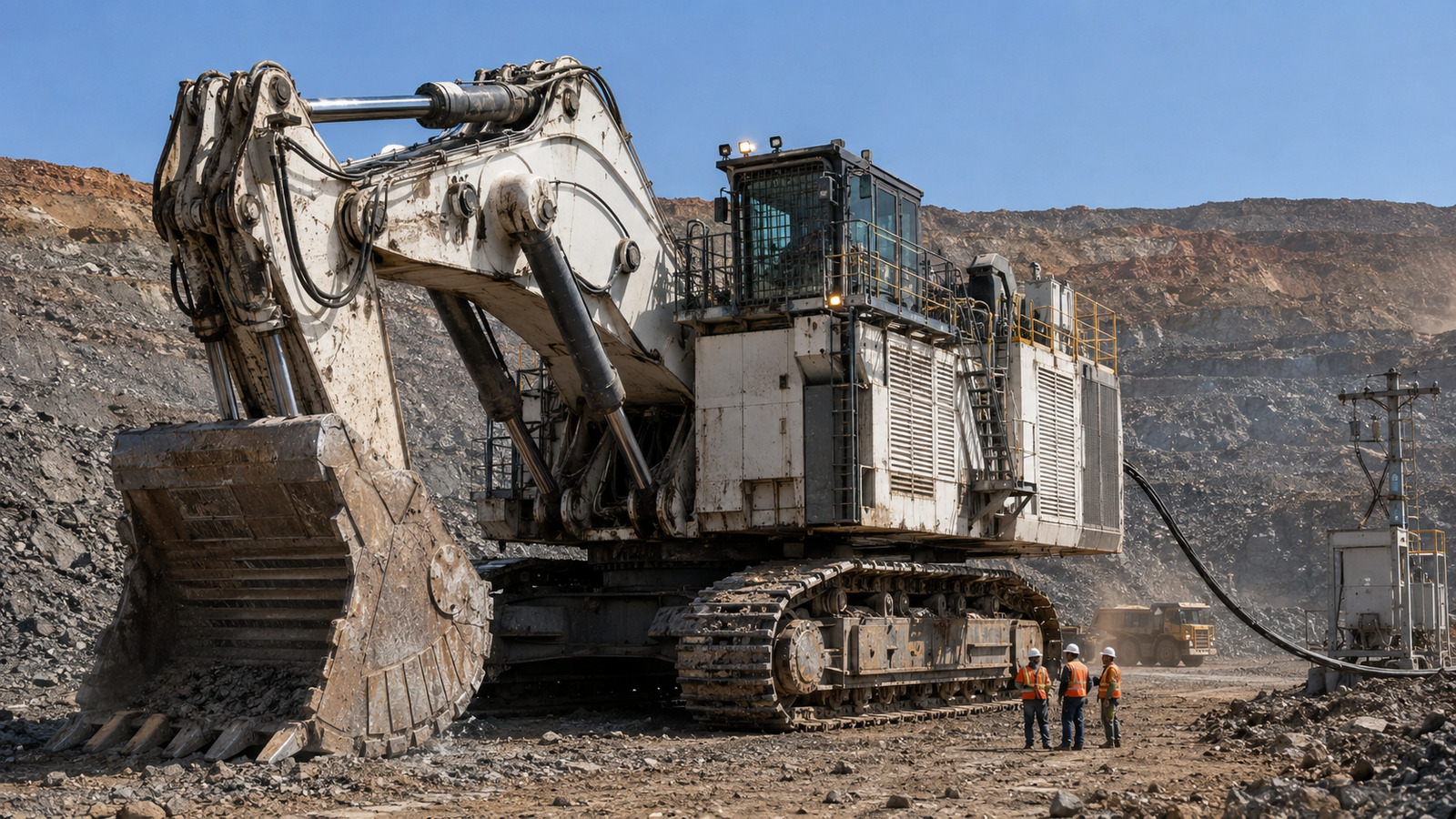
Unprecedented achievement in India: a colossal 650-ton, nearly 3,000 hp excavator is transformed into 100% electric, marking a new phase in heavy mining.
-
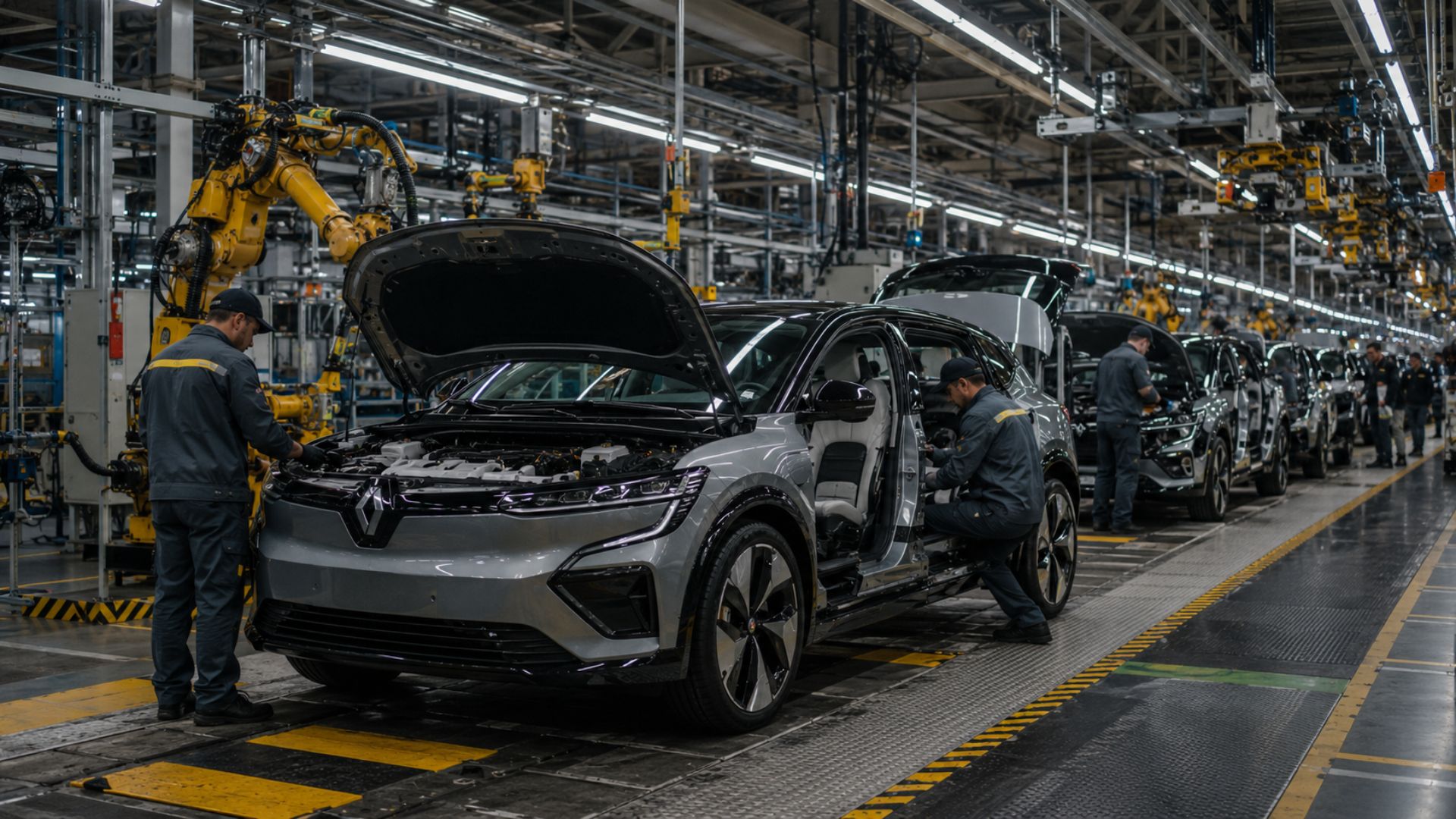
Frightened by the speed of Chinese manufacturers, Renault decided to mimic the pace, made the new electric Twingo in just 21 months, wants to repeat the feat with 36 models by 2030, and along the way, will cut up to 2,400 engineering positions.

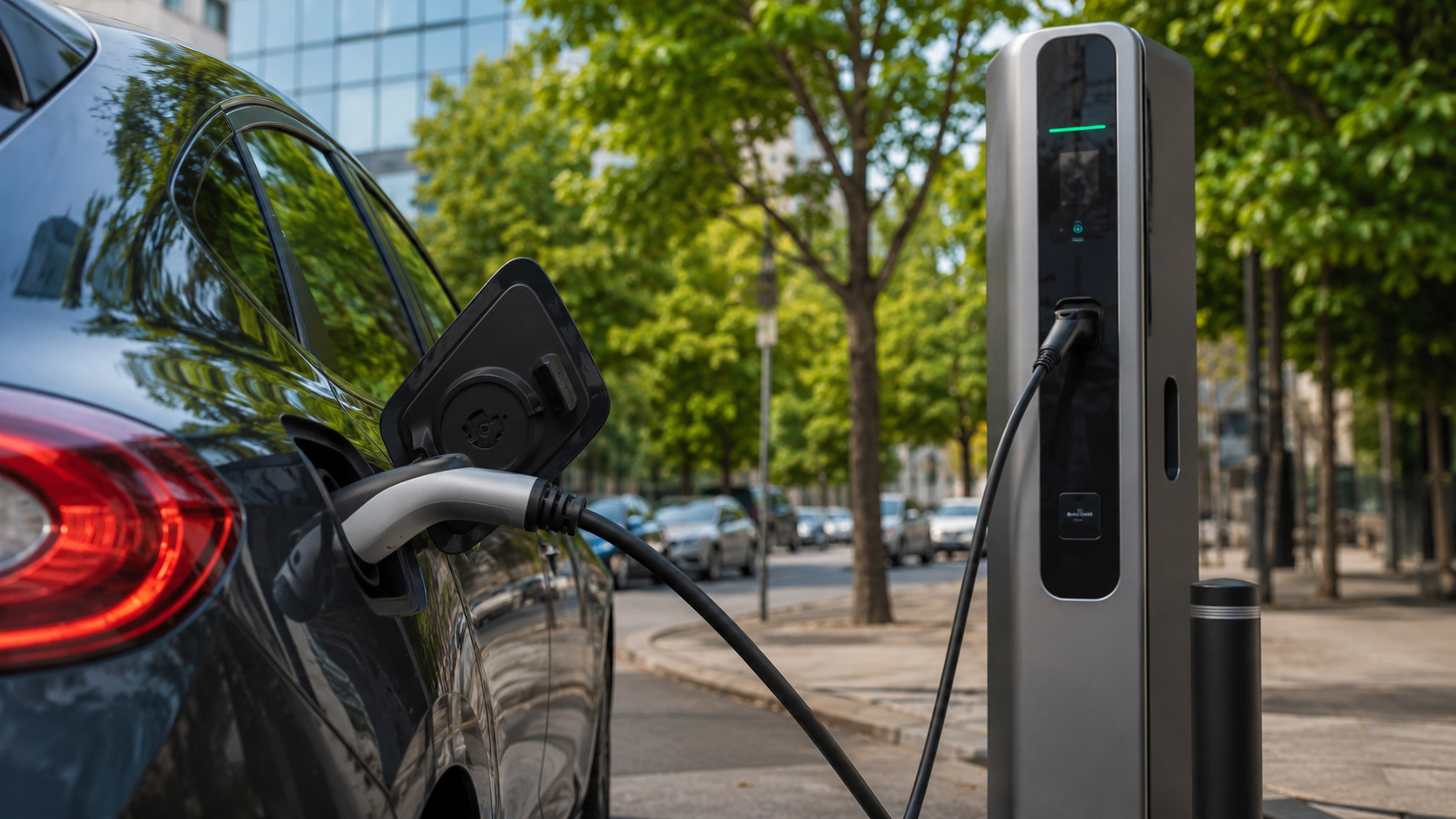
External factors alter battery consumption
The range of electric vehicles also depends on elements beyond official tests. The type of tire is among the most underestimated factors by drivers. Wheels with less rubber volume, generally valued for their appearance, can increase energy consumption and reduce range by up to 20% compared to more robust tires.
Incorrect tire pressure also interferes with performance. Headwinds, similarly, reduce vehicle efficiency. According to Gauer, each of these factors can represent an impact of approximately 5% on range. These details show that the final range depends as much on the car’s technology as on daily usage conditions.
Roads demand more energy from electrics
Electric cars exhibit different behavior from combustion vehicles. In urban traffic, they tend to consume less energy because they travel at lower speeds and face little aerodynamic resistance. On highways, however, consumption increases. Drag increases as speed rises, which requires more energy from the battery.
This behavior helps explain why range can vary so much between city and highway. The difference does not necessarily represent a vehicle failure, but a characteristic of how electric models operate. Thus, the driver needs to consider the type of route before interpreting the range numbers.
Brazilian climate has reduced impact
Cold weather usually raises doubts about battery performance, but the effect is small in typical Brazilian temperatures. Clemente Gauer states that the loss usually ranges between 3 and 4 kilometers. Most current models also already use a heat pump, a system that uses ambient heat to warm the cabin without relying heavily on electric resistances.
This technology reduces the climate impact on range and makes daily use more efficient. The Brazilian scenario, therefore, tends to be less severe for electrics compared to countries with harsh winters.
Daily use favors more spaced recharges
The average travel pattern in Brazil also favors the adoption of electric vehicles. According to Gauer, Brazilians travel about 35 kilometers per day. Practically all models available today deliver at least 280 to 300 kilometers on a full charge.
This range allows many drivers to recharge the vehicle only once a week or even less, depending on the routine. The information reinforces the importance of observing actual use before evaluating just the number printed on the label.
The debate about autonomy gains strength
The growth of electrified vehicles in Brazil has placed autonomy at the center of purchasing decisions. Consumers have started to compare labels, international standards, and real usage reports before choosing a model. The discussion also showed that the Brazilian method, although it seeks safety in measurement, may be too conservative to represent everyday experience.
The correct interpretation of this data tends to become even more important as new models enter the market.
Do you believe that Inmetro labels should show an estimate closer to the real autonomy of electric vehicles?