Portuguese
  Spanish


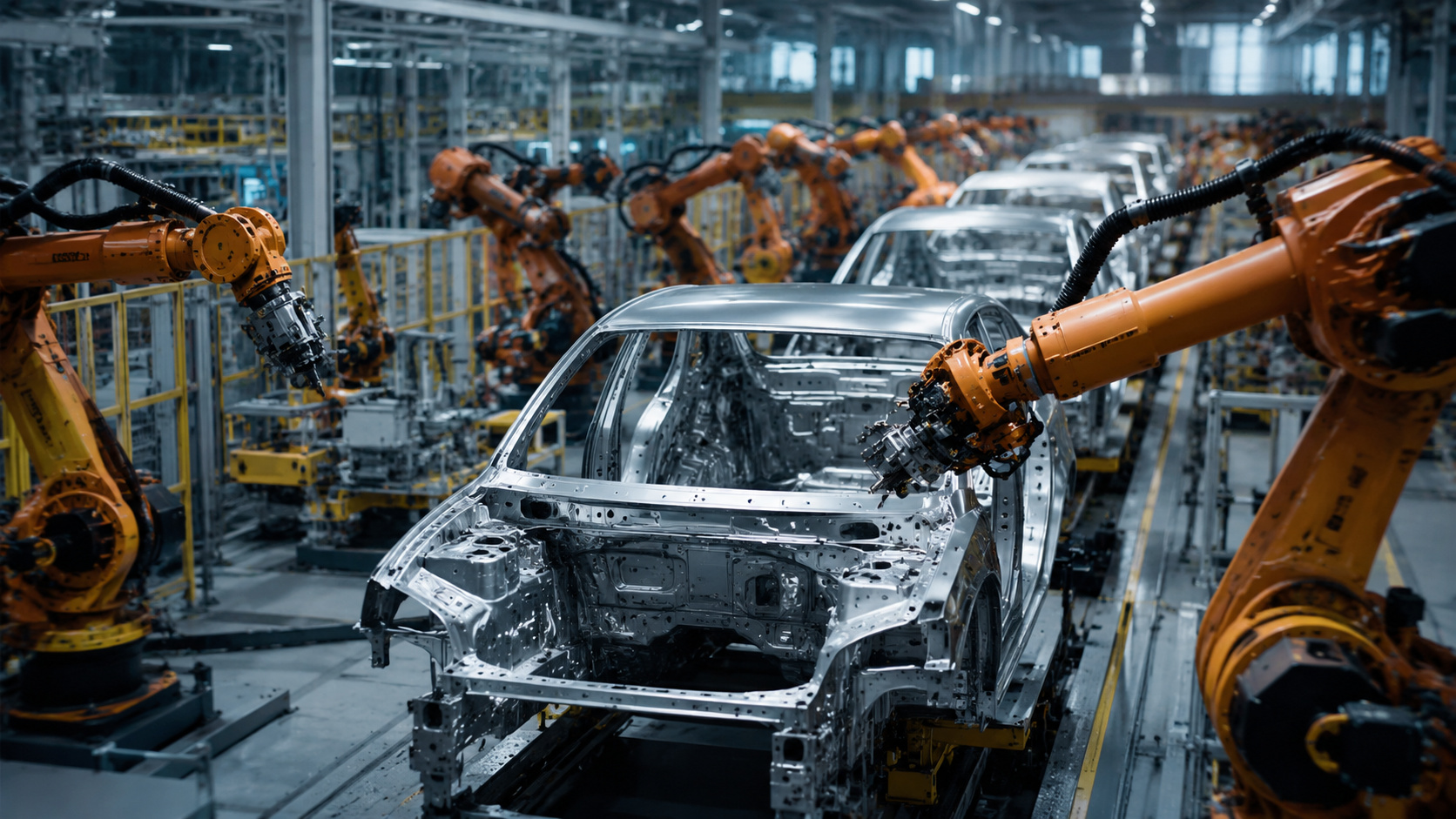

The advancement of Chinese electric cars changes the global industry, reorganizes production chains, and places Brazil before a strategic decision
The global automotive transformation has already begun, although part of the Brazilian debate still treats this change as a common commercial dispute. The rise of Chinese electric vehicles involves tariffs, subsidies, protectionism, and price wars, but reveals something much larger. The sector is experiencing a technological, industrial, and geopolitical disruption capable of shifting the center of the automotive industry built over more than a century. This movement shows that the car is no longer just a mechanical machine and has become an electric, digital, connected, and updatable platform.
China changes the rules of the automotive industry
China realized before many competitors that the 21st-century car would not be defined solely by engine, transmission, and exhaust. Therefore, instead of competing directly with Germans, Americans, and Japanese in the improvement of combustion engines, the country changed the axis of competition. The dispute now involves batteries, semiconductors, sensors, artificial intelligence, connectivity, embedded software, and remote update capability. This advancement explains why companies like Xiaomi and Huawei quickly entered the automotive sector, even without a tradition as classic automakers.
Electric car becomes a computer on wheels
The modern electric vehicle is not just a common car adapted with a battery. It has become an integrated system of navigation, entertainment, energy management, driving assistance, and interaction with the surrounding infrastructure. The concept of a vehicle defined by software shows how the car has come to depend on updatable and connected systems. Traditional automakers face a legacy debt, as they still carry factories, suppliers, mechanical platforms, dealerships, and electronic architectures created for another time.
-
Electric and Hybrid Cars Set to Transform Brazilian Streets: A New Era Begins

-
Chinese Giant Invests $1.3 Billion in Brazil to Produce 50,000 Cars Annually, Create Jobs, Develop Local Suppliers, and Manufacture Electric, Hybrid, and Combustion Models by 2027

-
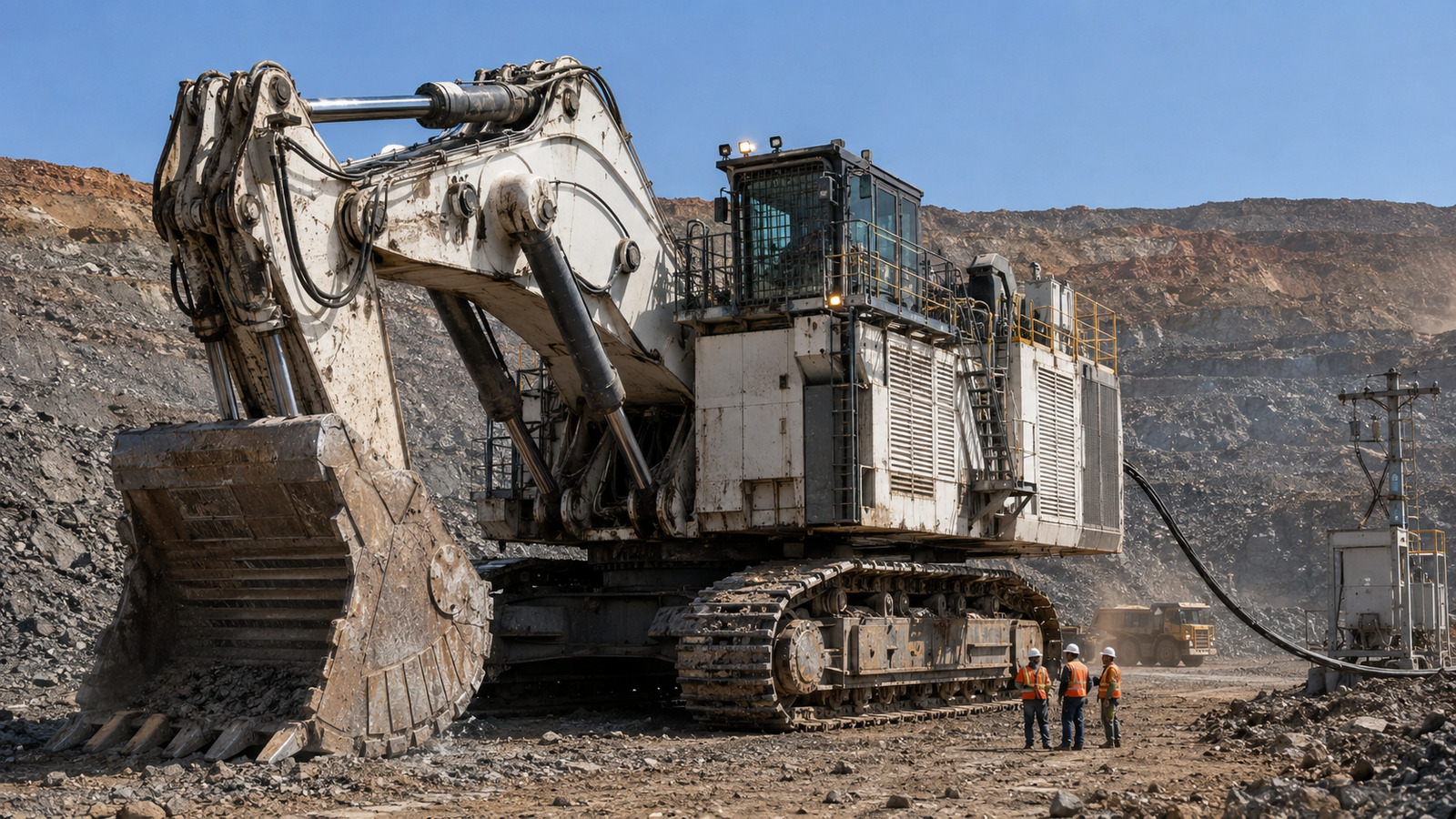
Unprecedented achievement in India: a colossal 650-ton, nearly 3,000 hp excavator is transformed into 100% electric, marking a new phase in heavy mining.
-
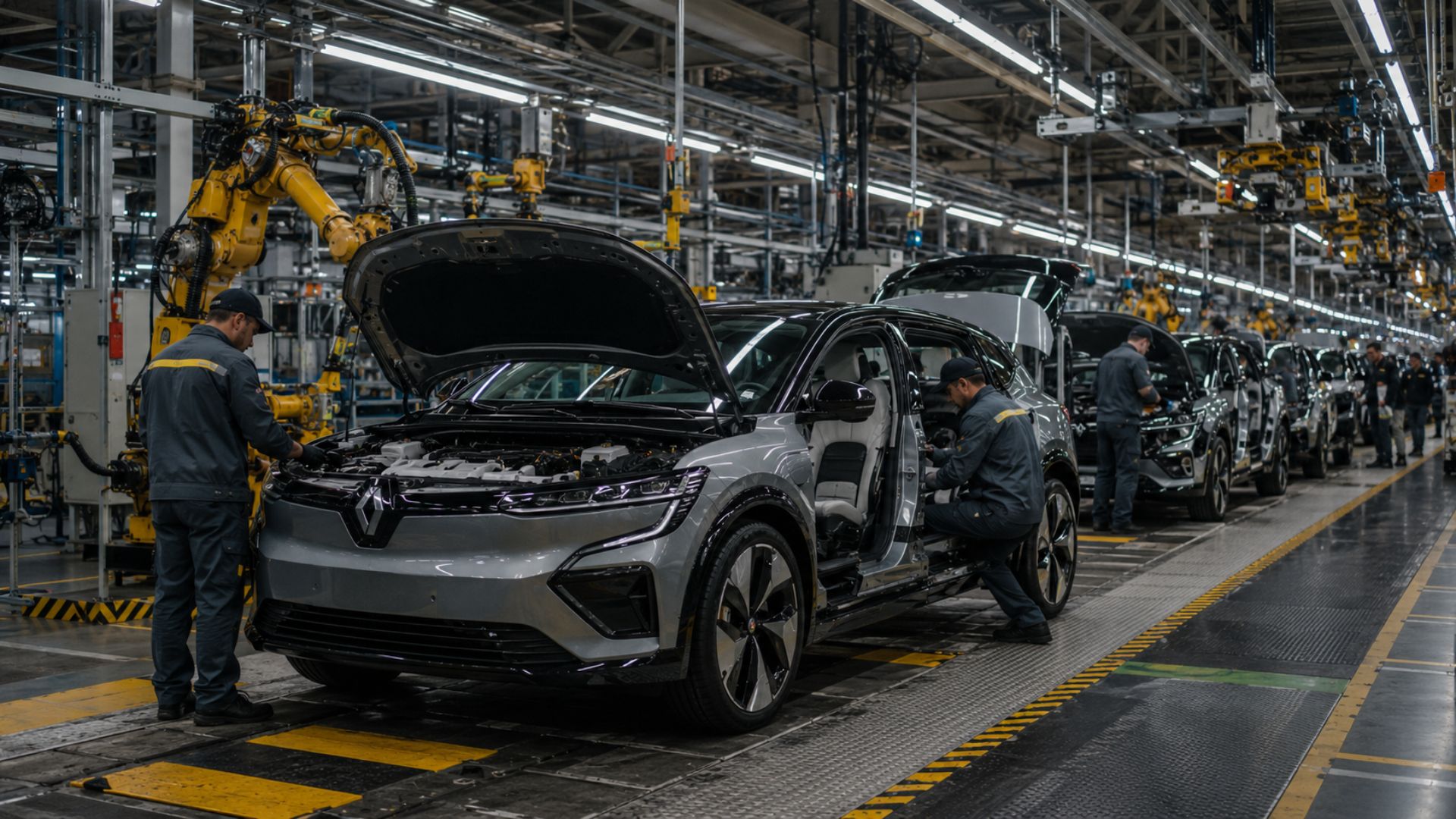
Frightened by the speed of Chinese manufacturers, Renault decided to mimic the pace, made the new electric Twingo in just 21 months, wants to repeat the feat with 36 models by 2030, and along the way, will cut up to 2,400 engineering positions.

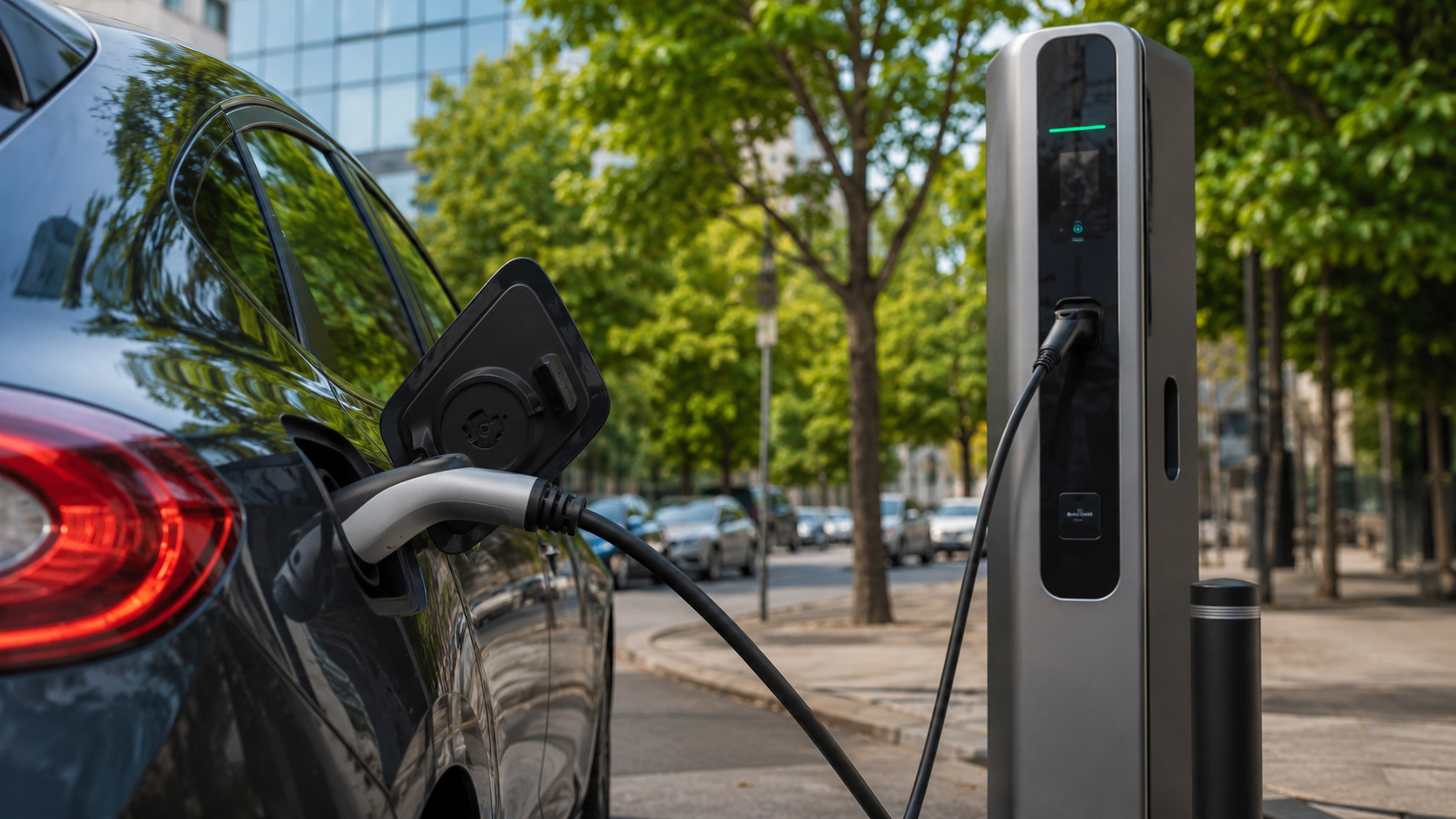
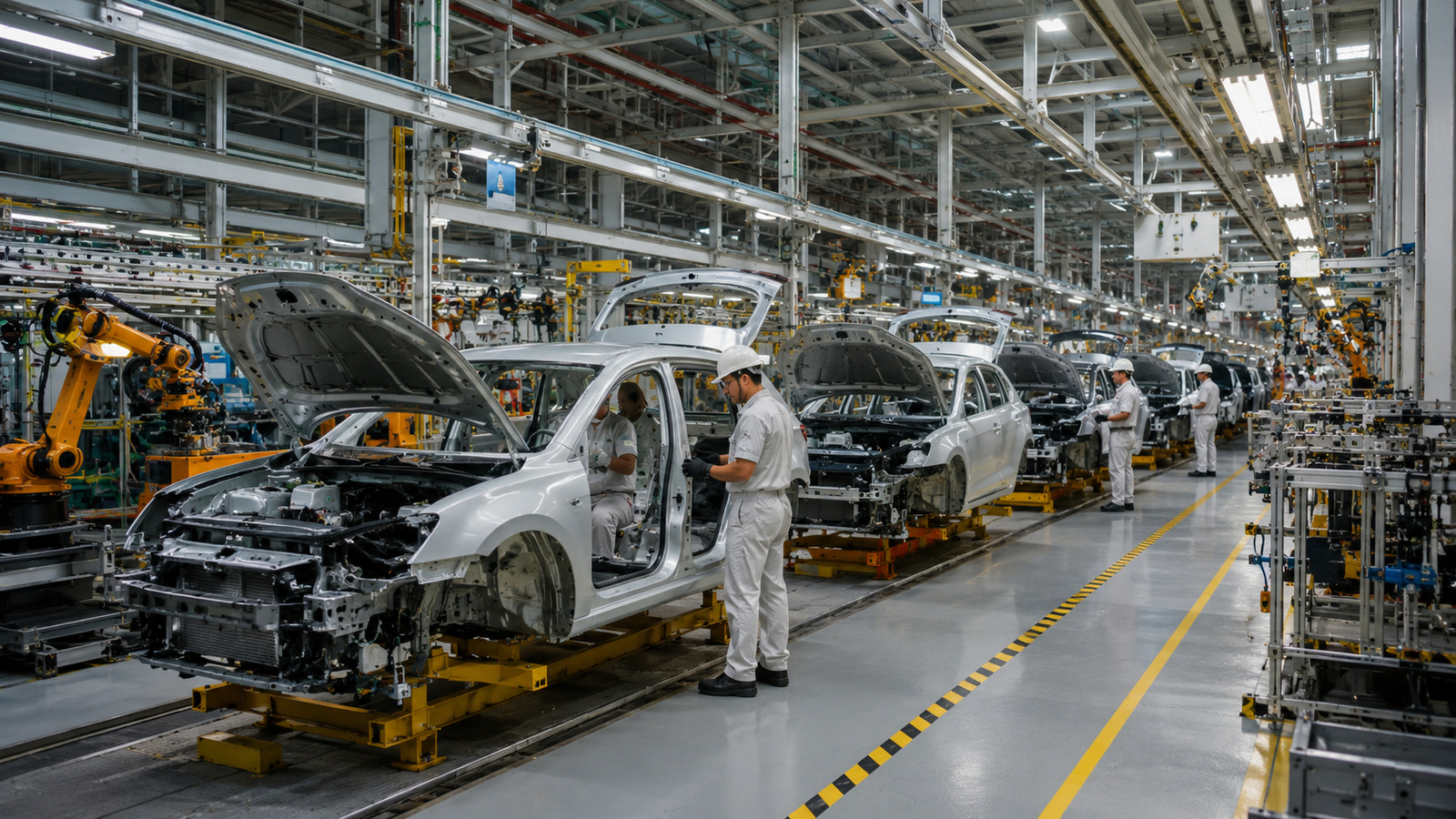
Brazil needs to look beyond the combustion engine
Brazil has real advantages in biofuels, especially in ethanol, biodiesel, and its renewable electric matrix. These assets help reduce emissions, leverage existing infrastructure, and preserve important national chains. Biofuels offer a concrete bridge for a gradual transition, compatible with a continental and unequal country. The problem arises when this strength becomes strategic accommodation and prevents the country from advancing in the most valuable technological chains
.
Biofuels remain important, but are not enough
The combustion engine, even fueled with renewable fuel, remains mechanically complex and less efficient from an energy standpoint. It also distances itself from the digital architecture that is now organizing the global automotive industry. The Brazilian debate cannot be limited to the question of which fuel emits less carbon. The broader issue involves knowing which technological chains Brazil intends to be part of in the coming decades.
Convergence may be the smarter path
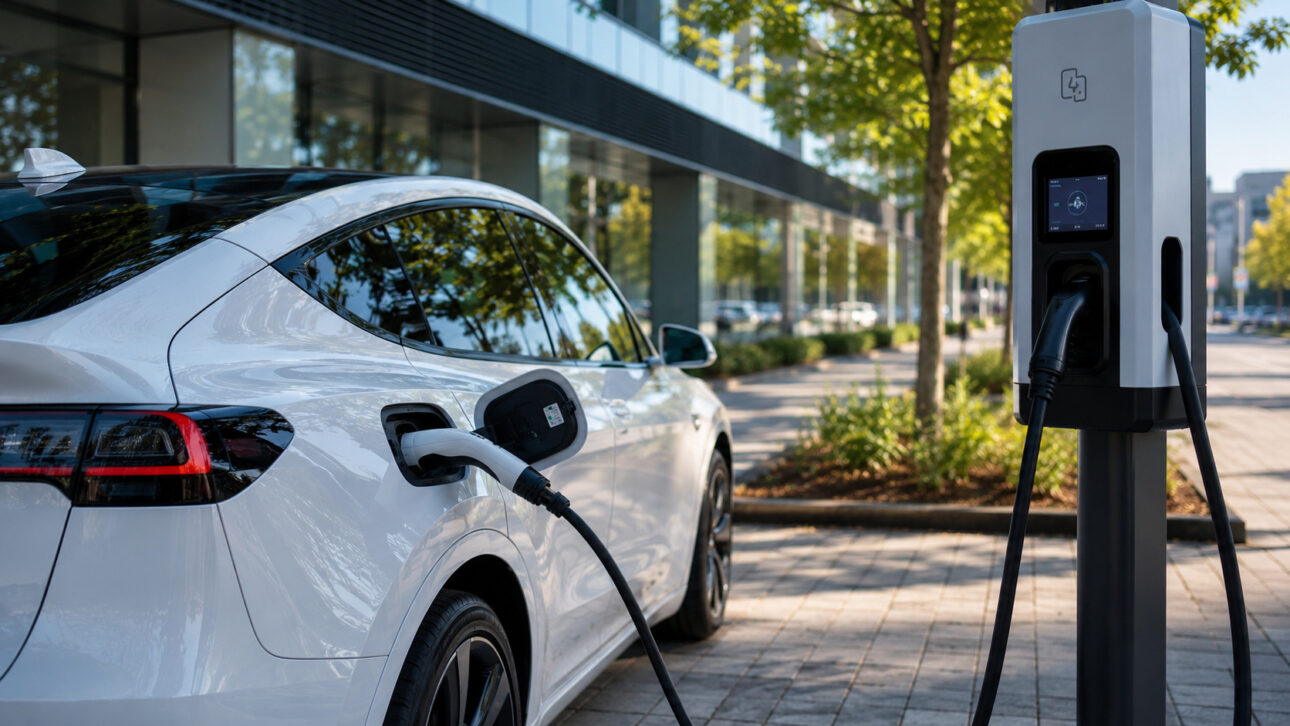
The debate should not be ethanol versus electricity, nor battery versus biofuel. This opposition reduces the quality of the Brazilian strategy and impoverishes the discussion about the future of mobility. The most solid path involves the convergence between biofuels, flex hybrids, electrification, charging infrastructure, and smart grids. Brazil can use ethanol to reduce emissions in the short and medium term while preparing its industry for the electric and digital era.
Chinese strategy exposes new global standard
The Chinese vertical integration did not arise by chance. It involved industrial policy, state planning, production scale, mastery of critical minerals, chemical refining, cell manufacturing, and coordination between companies, universities, and government. Western countries have started to react with subsidies, tariffs, local content requirements, and reindustrialization programs. This movement shows that the automotive dispute has also become a matter of economic security, technological sovereignty, and productive resilience.
Brazil cannot remain a spectator
Brazil has abundant renewable energy, a relevant domestic market, competitive biofuels, an industrial base, and experience in its own energy solutions. These assets will only produce a future if they are organized within a national strategy for mobility, industry, and energy. Without coordination, these advantages may become just scattered opportunities. Electrification will not be the same in all countries, nor will it advance linearly, but ignoring this structural trend would be a strategic mistake.

Technological frontier has already changed place
The industrial centrality of the combustion engine is coming to an end. It will continue to be present in old fleets, specific applications, and less structured regions, but it no longer represents the technological frontier of the industry. The command of the game is in electricity, software, batteries, critical materials, and embedded intelligence. Brazil needs to value its advantage in biofuels and, at the same time, advance without hesitation in electromobility.
What do you believe should be a priority for Brazil: defending its leadership in biofuels or accelerating entry into the global chains of electric cars?