






 Portuguese
  Spanish


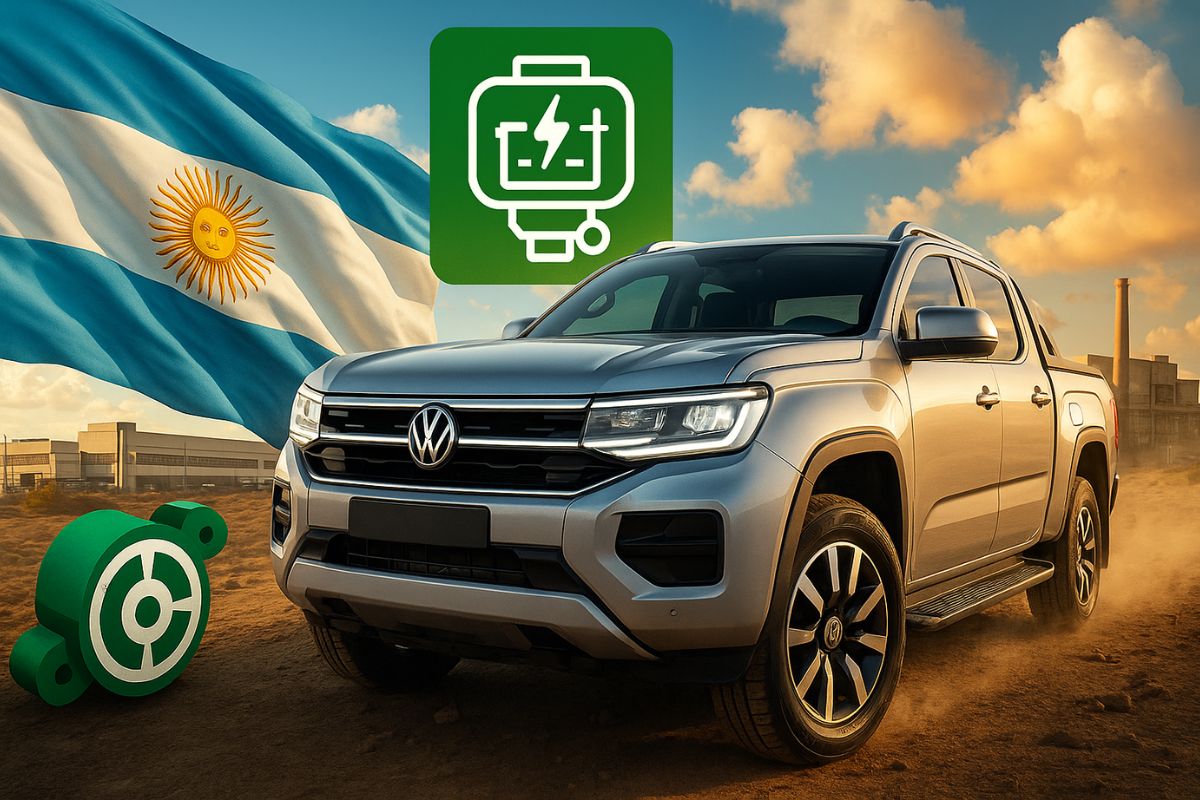


Volkswagen Announces Multimillion-Dollar Investment in Argentine Factory to Electrify the Pickup and Meet Environmental Requirements
Volkswagen Argentina officially confirmed that the new Amarok will be hybrid, with production expected to begin in 2027 at the General Pacheco plant in Buenos Aires. The announcement was made in a meeting on Monday (5) with Argentina’s Minister of Economy, Luis Caputo, detailing an investment of US$ 580 million to adapt the manufacturing unit and develop the electrified version of the pickup.
The future hybrid Amarok is part of the project internally dubbed “Amarok South America”, exclusive to the region. The initiative marks a significant shift in Volkswagen’s strategy: the pickup, currently recognized for its powerful V6 turbo diesel engine, will begin using the platform of the Maxus Interstellar X, a Chinese model from SAIC already sold in diesel and electric versions. The main goal is to meet new environmental requirements and take advantage of Argentine tax incentives for vehicles with hybrid or electric technology.
Who Is Involved in the Project?
The production of the new hybrid Amarok will be a partnership between Volkswagen and the Chinese SAIC, manufacturer of the Maxus Interstellar X. According to Volkswagen’s global CEO, Thomas Schäfer, the project represents a “historic strategic alliance” with the Chinese group, aiming to accelerate electrification and share advanced technologies between the companies.
-
Iconic Orange Double-Decker Bus, a Dutch Fan Favorite for Over 20 Years, Arrives in Texas for the World Cup After Touring Brazil, England, Qatar, and More

-
$100 Million Hypercar Collection, Including Ferrari LaFerrari and McLaren Speedtail, Found Abandoned at Los Angeles Airport
-
Hyundai ix35 2019: A Forgotten SUV with 2.0 Engine and 650 km Range Costs Less Than a New Kwid in Brazil
-
Harley-Davidson Enters Urban Electric Era with LiveWire S4 Honcho Minibikes: Lightweight, Affordable, 85 km Range, Priced Around $5,000



How Much Will Be Invested in the New Hybrid Amarok?
Volkswagen announced a significant investment of US$ 580 million (about R$ 2.9 billion at the current exchange rate) to adapt and modernize the General Pacheco factory. This investment aims to ensure that the new hybrid Amarok becomes a reference in technology and energy efficiency in the medium pickup segment.
Where Will the New Hybrid Amarok Be Produced?
Production will take place exclusively at the Argentine factory in General Pacheco, a strategic unit for VW in South America. The goal is to strengthen the manufacturer’s position in the region, where it currently produces the diesel Amarok sold in various markets, including Brazil.
Why Did Volkswagen Decide to Launch a Hybrid Amarok?
The transition of the Amarok to a hybrid version occurs due to the need to comply with stricter environmental regulations and take advantage of government incentives, such as Argentina’s Automotive Industry Incentive Regime (RIGI), aimed specifically at electrified vehicles. Additionally, electrification aims to provide greater energy efficiency, superior performance, and significant reductions in carbon emissions.
Is It Worth Waiting for the New Hybrid Amarok?
The new hybrid platform promises to combine energy efficiency and performance while maintaining the traditional robustness of the Amarok. However, fans of the V6 turbo diesel engine will need to adapt to the new hybrid technologies, which are expected to dominate the market in the coming years. This change is inevitable to meet global environmental requirements.
Do you agree with this change to the new hybrid Amarok? Do you believe it impacts the medium pickup market in Brazil? Leave your opinion in the comments — we want to hear from those who live this experience!


