






 Portuguese
  Spanish
  3 min of reading
  0 comments


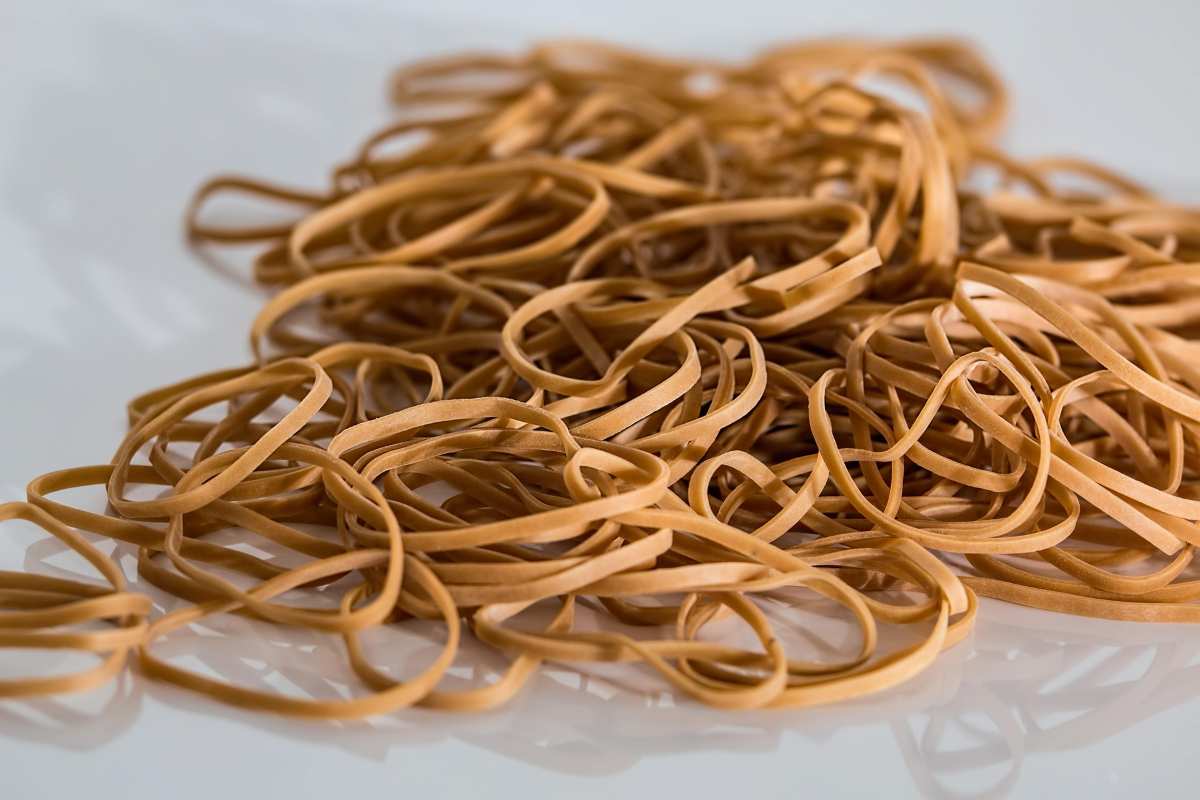
Harvard Researchers Create Natural Rubber with Strength Up to 10 Times Greater, Promising Greater Durability and Lower Environmental Impact.
Researchers from the Harvard John A. Paulson School of Engineering and Applied Sciences (SEAS) have developed a revolutionary natural rubber.
The new material is up to 10 times more resistant to complete cracking and four times more resistant to slow crack growth when compared to conventional rubber.
An Innovation for Sustainability
Natural rubber has always been an essential material in the production of gloves, tires, footwear, and medical devices.
-
Helicopter Drops 180 Tons of Sand and Gravel on Swedish River to Revive Ecosystem Damaged by Decades of Exploitation

-
Brazilian Company Launches Retro Smartphone with 48 MP Camera, T9 Keyboard, and Privacy Features for Social Media-Free Use

-
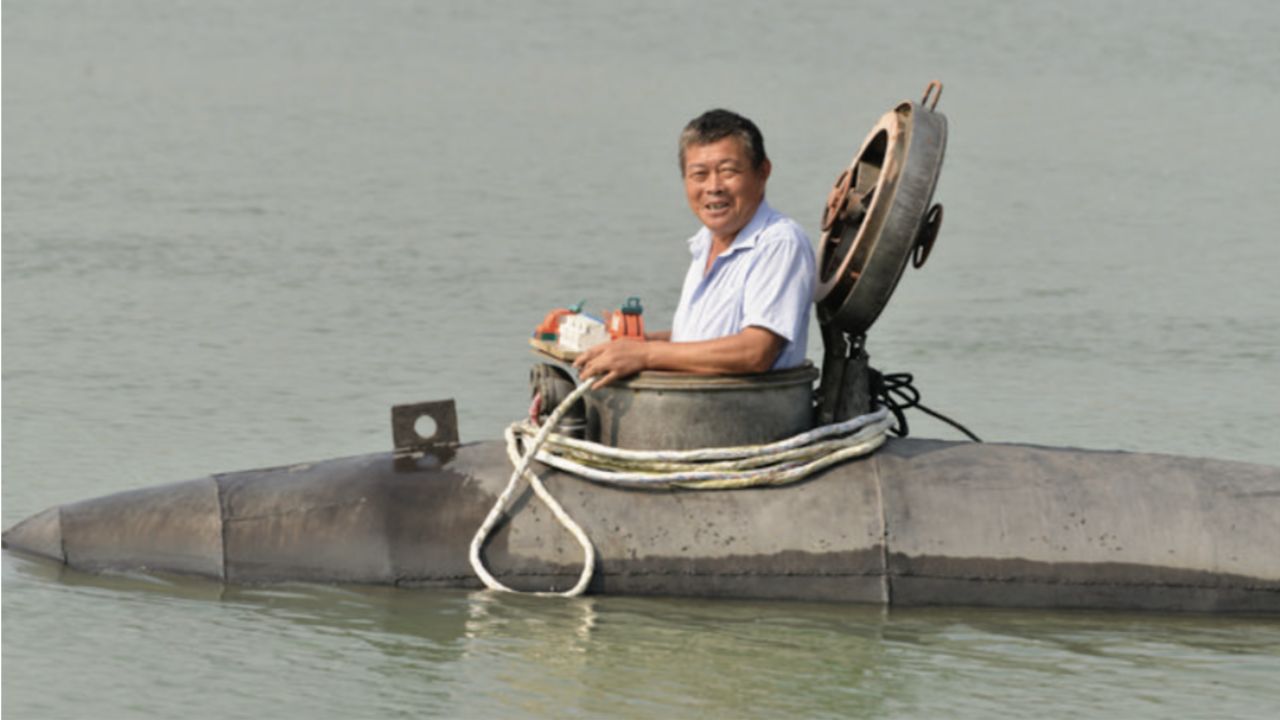
Self-Taught Chinese Farmer Builds 5-Ton Submarine from Scrap, Launches It in Anhui River
-
Invisible Induction Technology Enables Wireless Power for Blenders, Coffee Makers, and Air Fryers, Reducing Countertop Cables




However, despite its use for millennia, its resistance to crack growth has made little progress in recent decades.
With this new discovery, the durability of the rubber is enhanced, which reduces the need for frequent replacements and lessens the environmental impact caused by the constant disposal of defective products.
How the New Rubber Works
The key difference of this innovation lies in the production method. Scientists abandoned the traditional high-intensity vulcanization process, which fragments polymer chains.
Instead, they applied a gentler process that can preserve these long chains.
The resulting structure resembles a tangle of spaghetti. This configuration creates physical entanglements, rather than the usual dense chemical bonds.
When the rubber is stretched, part of the material crystallizes, which enhances its ability to withstand mechanical stress and prevents the formation of cracks.
Impressive Results in Tests
The results obtained are impressive. The new rubber demonstrated four times greater resistance to slow crack growth.
In situations of greater stress, resistance to complete cracking was increased by up to 10 times. These improvements represent a significant advancement compared to natural rubbers currently available in the market.
Limitations of Current Technology
Despite the promising results, the new production technique still presents challenges. The process requires significant water evaporation, which reduces the final volume of material produced.
Therefore, at this initial stage, the use of the rubber is restricted to products that require small amounts of material, such as gloves, condoms, and components of soft robotics.
On the other hand, application in tires, which demand large volumes of dense and uniform rubber, is still not viable with current technology.
New Application Possibilities
Even with the limitations, the new material already paves the way for various innovative applications.
Among them, flexible electronics, reusable medical devices, sustainable biomechanical components, and soft robots with low environmental impact stand out.
The study, published in the journal Nature Sustainability, was led by Zhigang Suo and Yakov Kutsovsky, and represents an important step in the search for sustainable alternatives in the materials industry.
Positive Environmental Impact
The creation of this advanced rubber can directly contribute to global sustainability. With greater durability, there is a reduction in waste and the need for constant production.
Since it is derived from the latex of the Hevea tree, a renewable resource, the material offers a natural alternative to fossil fuel-derived synthetic polymers.
Moreover, by eliminating toxic additives like asbestos, common in some types of synthetic rubber, the new material also improves safety for both the environment and end users.
This advancement represents more than just a technical improvement. It proposes a reinvention of the use of natural rubber, combining high mechanical performance with ecological responsibility.





Be the first to react!