Portuguese
  Spanish


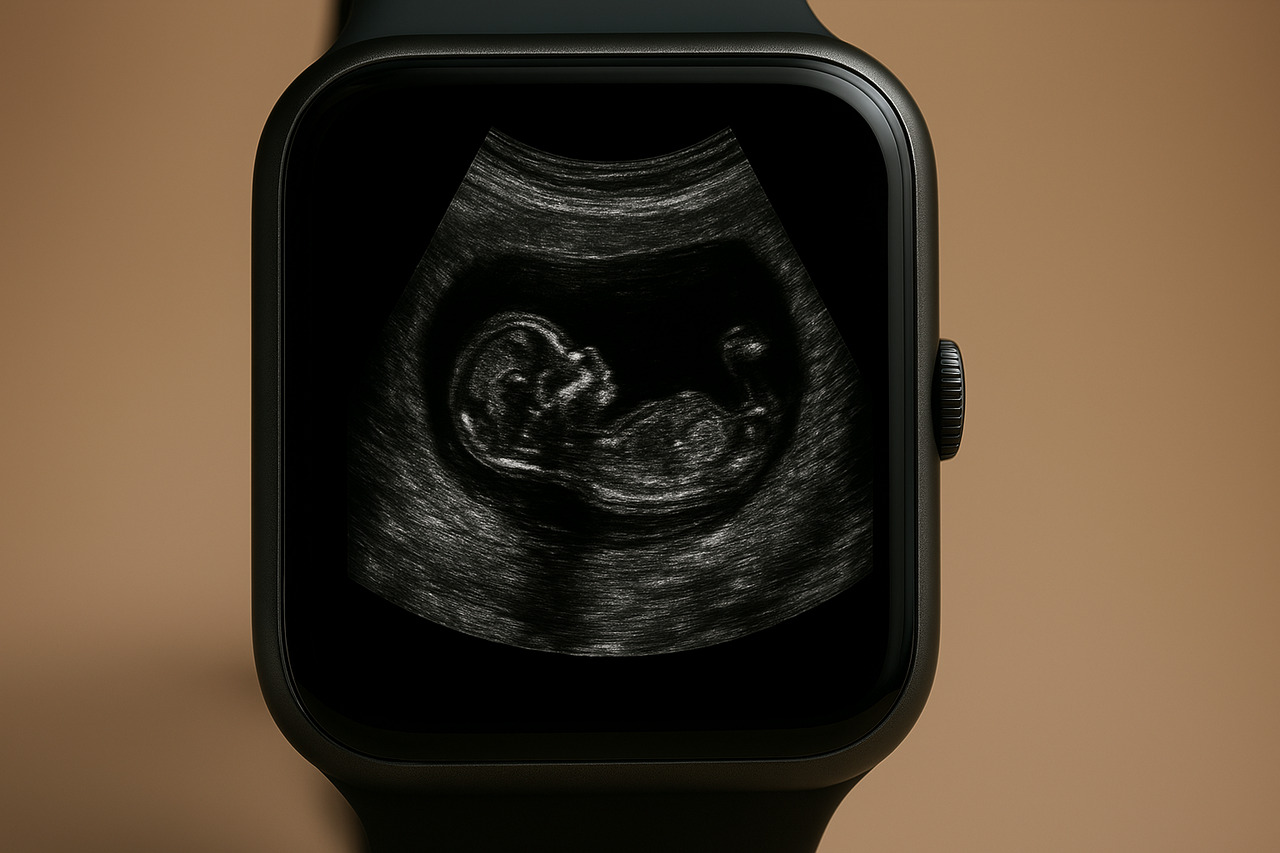

New Apple AI Detects Pregnancy With 92% Accuracy By Cross-Referencing Apple Watch Data With Sleep, Movement, And Body Signals
A new artificial intelligence developed by Apple has achieved 92% accuracy in pregnancy detection. The technology combines behavioral data, such as sleep and movement, with physiological signals collected by the Apple Watch. This approach has outperformed traditional methods that rely solely on biosignals.
The AI has been named WBM, short for Wearable Behavior Model. It analyzes data collected by devices like the Apple Watch and iPhone. Based on this cross-referencing, the system identifies changes in the body more efficiently.
Apple trained the model using over 2.5 billion hours of data from the Apple Heart and Movement Study.
-
AI Revolutionizes Digital Entrepreneurship by Enabling Lean Startups and Rapid Scaling

-
The ‘tsunami’ of investments directed at Artificial Intelligence (AI) and semiconductor companies, which prioritize security and more predictable profits, has been a determining factor in the declining trajectory of Bitcoin.

-
Samsung eyes strategic chip factory in South Korea and could shake up the global AI landscape with advancements in HBM memories and advanced packaging.

-
Nvidia makes agreements in South Korea for AI factories and takes data centers, advanced chips, and global cloud to another level by 2027


Among the data used are step counts, heart rate rhythm, sleep duration, and movement patterns.
The analysis of these behaviors, combined with physical indicators, has increased the ability to predict not only pregnancy but also issues such as sleep disturbances, infections, and cardiovascular conditions.
The technology’s differentiator lies in the hybrid architecture of the system. WBM combines behavior analysis strategies with physiological information, allowing for real-time and more accurate monitoring.
The AI can detect rapid changes in the body and provide results with greater confidence.
Despite the advancement, Apple states that the system does not replace traditional biometric data. It should be used as a complement, enhancing the safety of continuous monitoring.
The intention is to reinforce attention to health, while not neglecting established methods.
For pregnant users, the Apple Watch also offers other tools. The Health app, available on iPhone and iPad, allows users to register their pregnancy and track changes over time.
This way, the watch can adjust notifications and alerts. One example is the suggestion to turn off cardiovascular readiness alerts at the start of pregnancy and activate stability alerts in the third trimester.
Starting in July 2025, Apple promises to expand the use of this technology. The goal is to combine artificial intelligence and wearable devices to transform health care.
The company believes that the combination has the potential to improve women’s well-being and expand possibilities for prevention and monitoring.
With information from ND Mais.