






 Portuguese
  Spanish
  4 min of reading
  4 comments


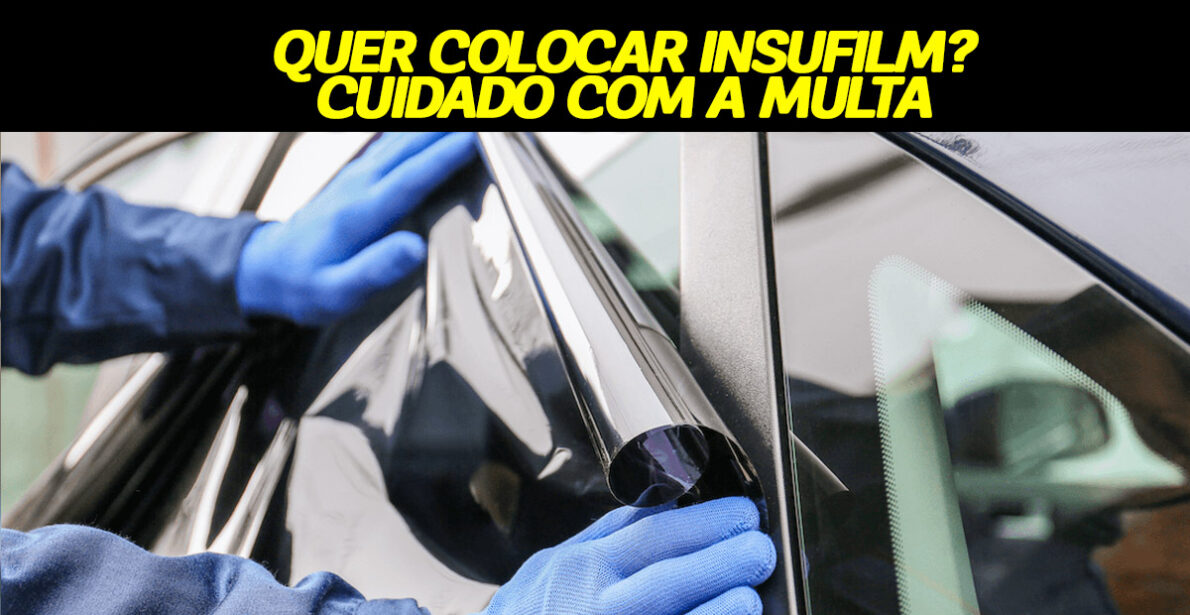

If you are one of those who like to leave the car with dark windows to give it a cooler look or to protect yourself from the sun, get ready: the new legislation on tint in Brazil is more strict than ever. And the penalties? They range from high fines to vehicle seizure.
What was once allowed can now turn into a serious problem for drivers, especially those who are less attentive to the changes in the rules. But do you know what is really valid or are you walking the fine line of illegality?
The National Traffic Council (Contran) Resolution No. 960/2022, amended by Resolution No. 989/2022, brought new parameters for the use of tint on vehicles, and those who disobey the rules are subject to fines of R$ 195.23 and even vehicle retention for regularization.
The minimum transparency of car windows, which was once a matter of common sense, is now law, and there is no escaping it.
-
Uber Faces Shareholder Scrutiny as Board Accused of Ignoring Safety, Compliance, and Harassment Warnings Amid Over 3,500 U.S. Lawsuits

-
Ferrari’s First Electric Car Divides Fans, Priced at $630,000, Amid Concerns Over Limited Editions; Brand Clarifies It’s Not Just for Future Perks
-
BYD Dolphin Mini: The Electric Car That Defies Depreciation, Losing Only 3.58% in a Year and Becoming the Best-Selling Retail Model Under $22,000

-
Electric Car JAC E-JS4 Loses $19,000 in Value in One Year, Leading Record Depreciation of Used Cars in Brazil Due to Expensive Battery and New Models


The windshield and front windows, for example, must guarantee a light transmission of at least 70%, meaning that films that block up to 30% of sunlight, known as G70, are allowed.
However, for other windows, the minimum transparency requirement has been removed, allowing more freedom for drivers to choose.
But hold on: not everything is complete freedom. Improper use of tint can lead to serious problems. According to Contran, the law is clear: if the vehicle has windows that are too dark to compromise the safety of the driver or others on the road, the penalties are certain.
And it doesn’t stop there: installing any type of sticker, label, panel, or advertisement symbol on the windows that interferes with visibility can also incur fines.
Fines and Penalties
According to Article 21 of the mentioned resolution, any disobedience to the rules implies the penalties provided for by the Brazilian Traffic Code (CTB).
Among the most common offenses are those involving the use of light panels or reflective films in critical areas such as windshields or rear windows. Any material that interferes with drivability, whether opaque or reflective, is subject to sanctions.
The films, besides complying with transparency standards, must have indelible marking, meaning a visible mark with the manufacturer’s name and the Inmetro compliance symbol.
The absence of this identification results in a serious infraction, leading to fines and vehicle retention until regularization. And yes, it is essential for drivers to pay attention to ensure that their films comply with the regulations.
Tint Technologies: Nanocarbon and Nanoceramics
Besides the legal issue, the automotive film market has advanced significantly. Basic films can already block up to 60% of solar energy and reject up to 99% of ultraviolet (UV) rays.
However, the latest technologies, such as nanocarbon and nanoceramic films, are true revolutions.
They offer superior transparency without sacrificing thermal comfort, blocking up to 95% of heat and practically all ultraviolet and infrared rays.
According to Junior Rucireta, president of Multifilmes Franchising, in an interview with autoesporte, the new technologies have transformed the driving experience.
“Nanocarbon and nanoceramics have revolutionized the market. Besides superior heat blocking, they have brought optical clarity. A common 5% film, at night, hinders a lot. With these new technologies, the glass looks dark from the outside, but for the driver, it feels like there’s no film,” he explained.
These innovations allow for greater safety and comfort for the driver, especially in low-light conditions.
The Impact of New Rules on Drivers’ Day-to-Day
With stricter regulation, drivers who like to customize their cars with darker films need to stay alert.
Not just for the fines, which are already considerable, but for their own safety on the roads. Improper tint can impair visibility and increase the risk of accidents, especially at night or in adverse weather conditions.
On the other hand, new technologies ensure that drivers continue to enjoy the benefits of films without giving up legality.
Those who opt for high-tech products, such as nanoceramic models, not only achieve a better aesthetic for their cars, but also greater comfort and protection against solar rays.
So, the question remains: is it worth risking and keeping the darkened, but illegal, look, or investing in new technologies to ensure safe and legal driving? Share your opinion in the comments!





Se não tiver fiscalização, continua acontecendo absurdos (de até pintar vidros).
O Brasil tá virando piada.
Na verdade os políticos só querem encher o bolso não tem onde tirar mais dinheiro da população cavada de **** roubam roubam deixa um rombo e tirão da população numa pista tem radar de 40 de 50 e de 60 por hora para tirar carta tem que pagar os delegados são uma cavada de covardes ****
Acho as leis de trânsito um absurdo .o brasil é mesmo uma **** de se viver .vivemos em um país onde temos obrigatoriedade de uso se sinto onde nós nibus andamos soltos .onde temos limite de velocidade mais fabricam carros cada vez mais velozes caminhões cegonha nal tem visão até o final os bitrens .e eles querem falar de visibilidade ipoceisia .pais onde a educação nunca foi a prioridade o governo quer o brasileiro cada vez mais ****
Gostaria de saber se essa lei serve também para as viaturas e carros policiais e carros de políticos que são completamente tudo escuro?