






 Portuguese
  Spanish





New Law Under Analysis Could Radically Change Who Can Drive Powerful Vehicles in Brazil. Strict Requirements Promise to Transform Traffic and Limit Young Drivers.
There is currently a bill in the National Congress, the Bill 1745/2025, which proposes the requirement of a Special Driver’s License for driving vehicles or motorcycles with high power in Brazil.
The goal is to enhance road safety by restricting access for novice drivers to powerful cars and motorcycles, which are widely associated with statistics of severe accident victims.
Special Driver’s License for High-Performance Vehicles
The proposal of the bill establishes technical criteria to determine what constitutes high-performance vehicles.
-
Sweden Introduces New Rules Requiring Frequent Supervision and Daily Interaction for Cat Owners

-
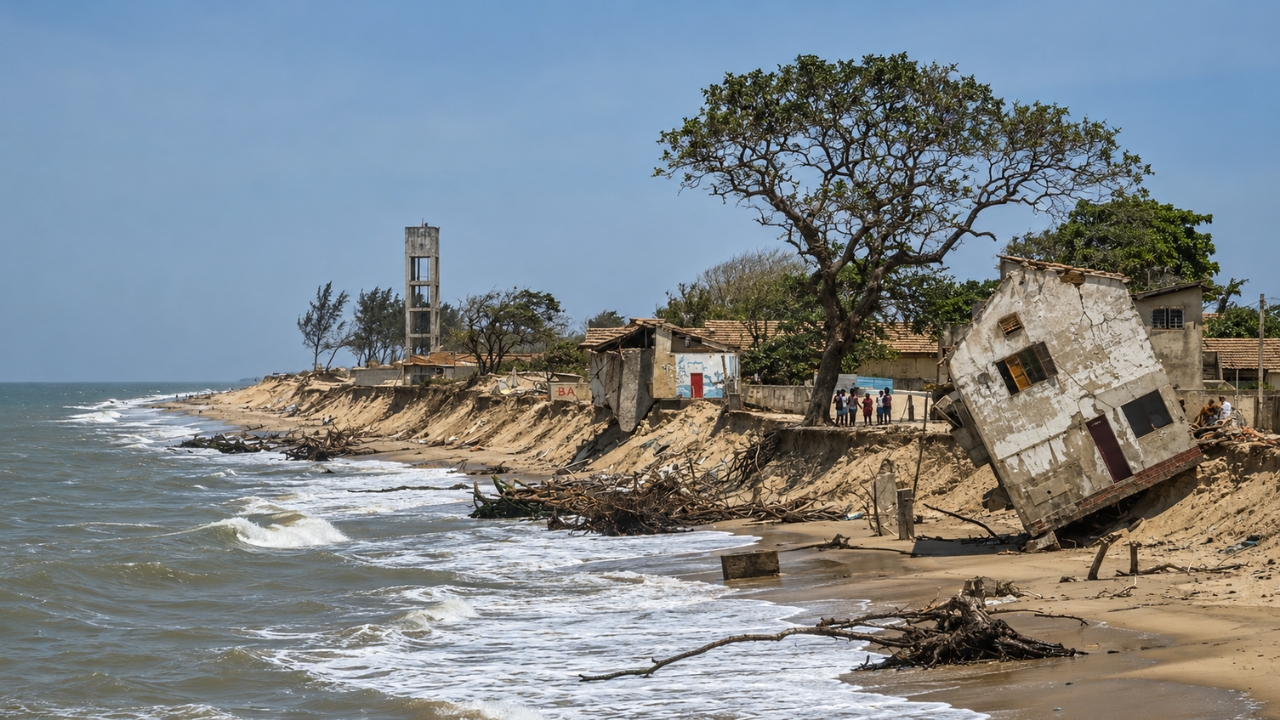
Coastal City in Rio de Janeiro Faces Slow Destruction as Sea Claims 500 Homes and Businesses

-
48-Year-Old Woman Wins Million-Dollar Prize, Gifts Neighbor First International Trip as Thanks for Years of Support
-
Women Once Mocked for Collecting Trash Form Group to Turn Organic Waste into Compost, Generate Daily Income, and Improve Market Cleanliness in One of the World’s Lowest GDP per Capita Countries



Cars with power equal to or greater than 200 horsepower (hp). Motorcycles with 500 cc or more in engine displacement.
Other models may be declared high-performance by an act of the National Traffic Secretary (Senatran).
To drive these vehicles, a Special Driver’s License will be mandatory, obtained through specialized training and subject to stricter requirements.
Minimum age of 25 years.
Driver’s license in the appropriate categories (B for cars, A for motorcycles).
Minimum of five years with a valid driver’s license and no serious or very serious infractions.
Failure to comply with these rules represents a very serious infraction, leading to a threefold fine and immediate vehicle retention until a driver with the appropriate license is presented.
Why Create a Specialized License?
Several studies indicate that powerful vehicles pose a high risk when handled by immature drivers.
A survey by Santa Casa de Franca shows that 64% of fatalities in accidents in the state involved motorcycles, and 21% of victims were between 18 and 22 years old.
Also on federal highways, the National Road Safety Observatory recorded that in 2023 sports vehicles accounted for a disproportionate share of fatal accidents.
According to the project’s author, Deputy Fred Linhares (Republicanos-DF), the intention is to “promote a gradual separation between driving regular vehicles and high-performance ones, ensuring that young drivers gain experience before facing increased risks.”
The technical justification also mentions studies from the World Health Organization (WHO), indicating emotional maturity as a decisive factor for preventing fatal collisions.
Amendments to the Traffic Code
Bill 1745/2025 was introduced this year. It is now awaiting the appointment of a rapporteur in the Commission of Transportation and Transit.
After a report, the proposal will proceed to the committees of Constitution and Justice and Citizenship, and finally, to the plenary of the Chamber.
If approved, it will be sent to the Senate, and if sanctioned, will amend the Brazilian Traffic Code (Law No. 9,503/1997), through provisions inserted into articles dealing with licensing and infractions.
Requirement of Special Driver’s License Around the World
Several countries adopt similar systems.
In the United Kingdom, the “A2” license category requires a minimum age of 19 years and limits power to 35 kW before the driver can progress to more powerful motorcycles.
In Germany, drivers must obtain an “endorsement” for vehicles over 95 kW, after an initial licensing period.
In the USA, some states require additional certifications for cars with turbo or superchargers.
These initiatives inspire the model of the Special Driver’s License proposed in Brazil.
Impact of the New Law on the Automotive Sector
The proposal could impact manufacturers and training centers.
Motorcycle and sports car manufacturers may face reduced sales among young consumers, traditionally buyers of powerful launches.
Driving and piloting schools will have the opportunity to offer specialized courses for obtaining the specialized license.
Municipal and state agencies will need to adapt their inspection structures, possibly requiring equipment to identify high-performance vehicles and validate the special license.
Critics warn of evasion risks, should young people resort to illegal licensing or importation of vehicles without power identification.
Defenders argue that restrictions, as long as based on technical criteria, reduce events with excessive speed, especially in urban peripheries.
How Will the Special Driver’s License Work in Brazil?
For the implementation of the Special Driver’s License system, the National Traffic Department (Denatran) must regulate the process.
Technical report or inspection certifying the engine power.
Procedures for registration in the Renavam.
Integration with state databases of infractions.
Devices at inspection points, such as radars and durable agents, for on-site verification of vehicle power.
Educational campaigns about risks and the appropriateness of the specialized license.
What Changes With Bill 1745/2025?
The focus now is on:
- Monitoring the appointment of a rapporteur and presentation of a report in the Chamber.
- Debating in public hearings with traffic specialists, psychologists, and representatives from the automotive sector.
- Defining a timeline for adaptation for training centers and road agencies.
If approved, the Special Driver’s License may come into effect with transitional rules — allowing adaptation of the licensing and inspection structure — and will need to undergo impact assessment by 2027.
What do you think: can this requirement for a special driver’s license for high-power vehicles really make traffic safer, or does it unduly limit drivers’ freedom?


