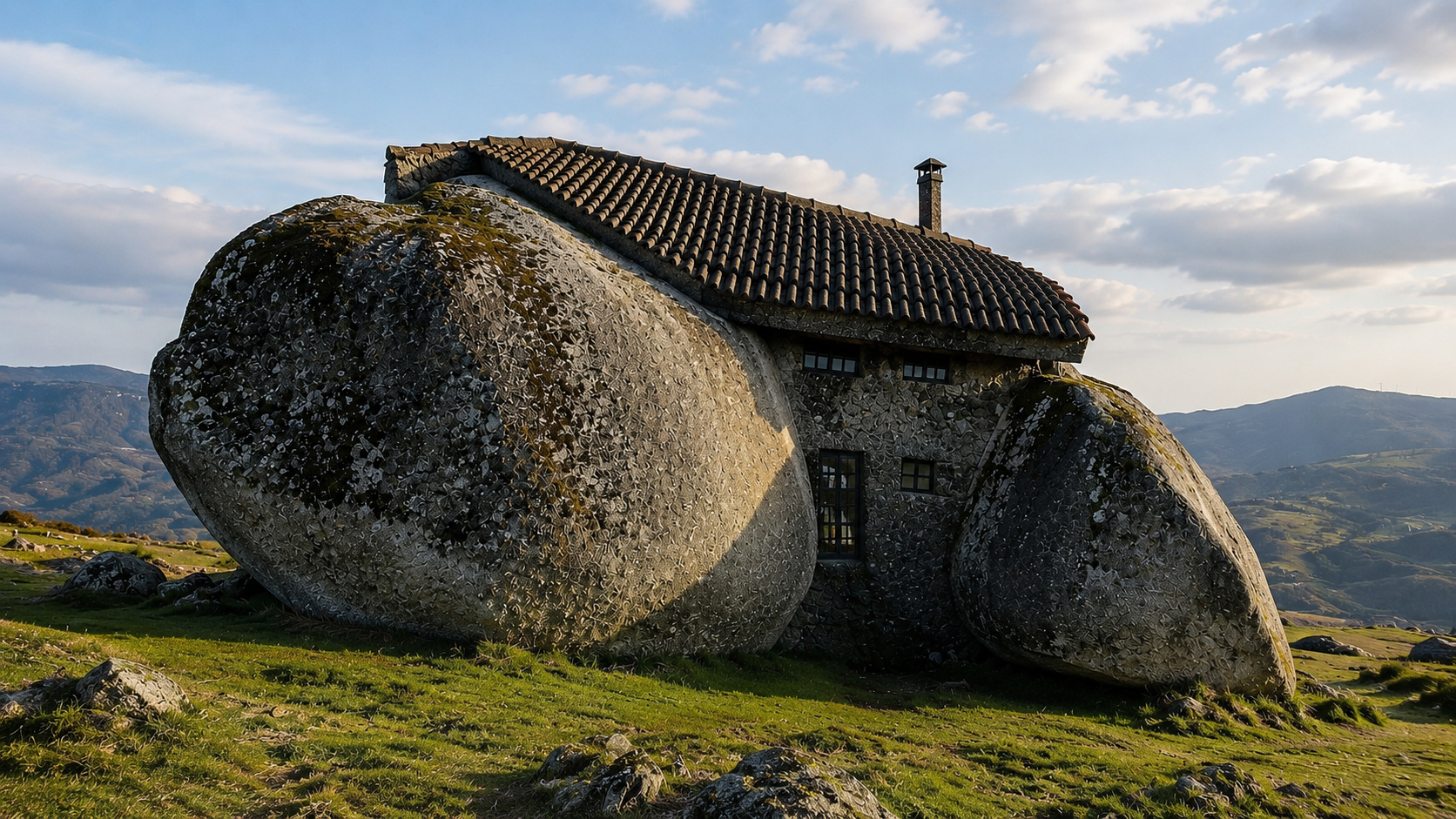

Built in 1974 in the mountains of Fafe, in northern Portugal, the Casa do Penedo uses four gigantic granite blocks as walls, foundation, and roof, does without electricity from the public grid, went viral on social networks for its appearance similar to The Flintstones’ settings, and returned to the center of discussions about sustainable housing, organic architecture, natural thermal comfort, and total integration between human construction and rocky landscape
An unusual construction in the mountains of northern Portugal has once again attracted worldwide attention for combining sustainable housing, organic architecture, and the use of natural rocks.
The Casa do Penedo, erected in 1974, in the region of Fafe, seems to emerge directly from the landscape, as if it had always been part of the Portuguese mountains.
Although it is often compared to the settings of The Flintstones, the residence is not fiction, scenography, or a prehistoric relic.
-
At 54, Brazilian Artisan Turns Textile Waste into a Successful Handbag Brand, Earning Over $6,000 Monthly

-
Brazilian Entrepreneur Sells $50,000 Monthly in Sustainable Luggage Made from Recycled Bottles, Eyes International Market
-
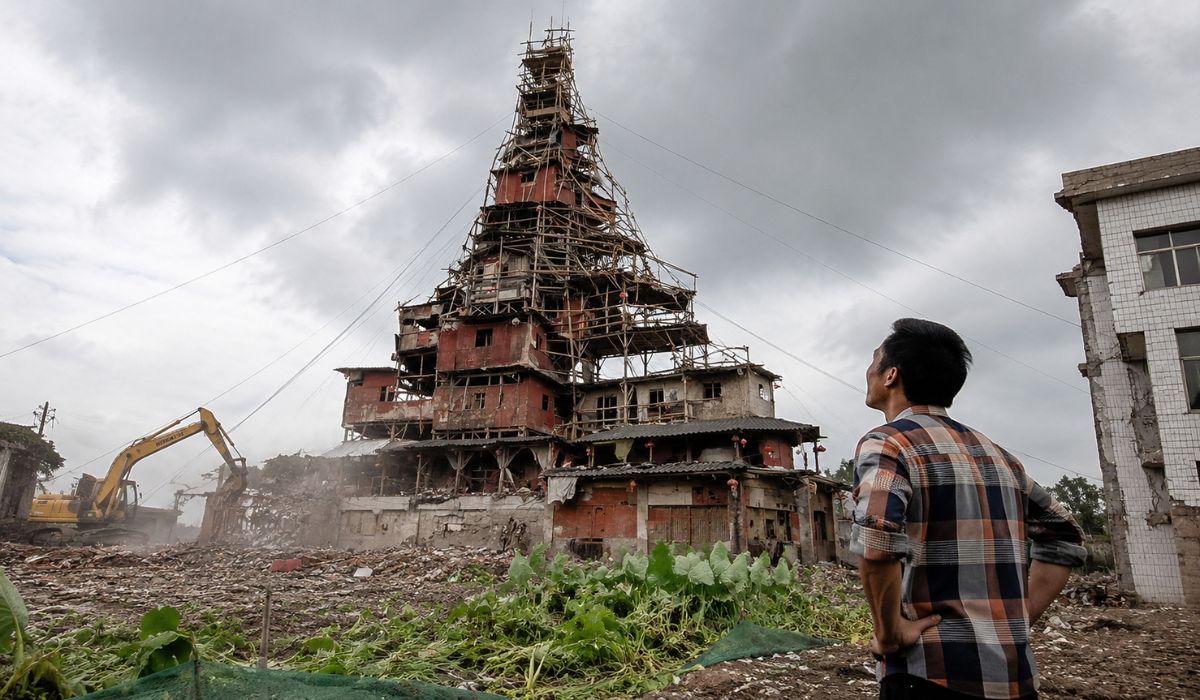
Chinese Man Transforms Home into 10-Story Pyramid Over 8 Years, Defying Authorities Before Demolition

-
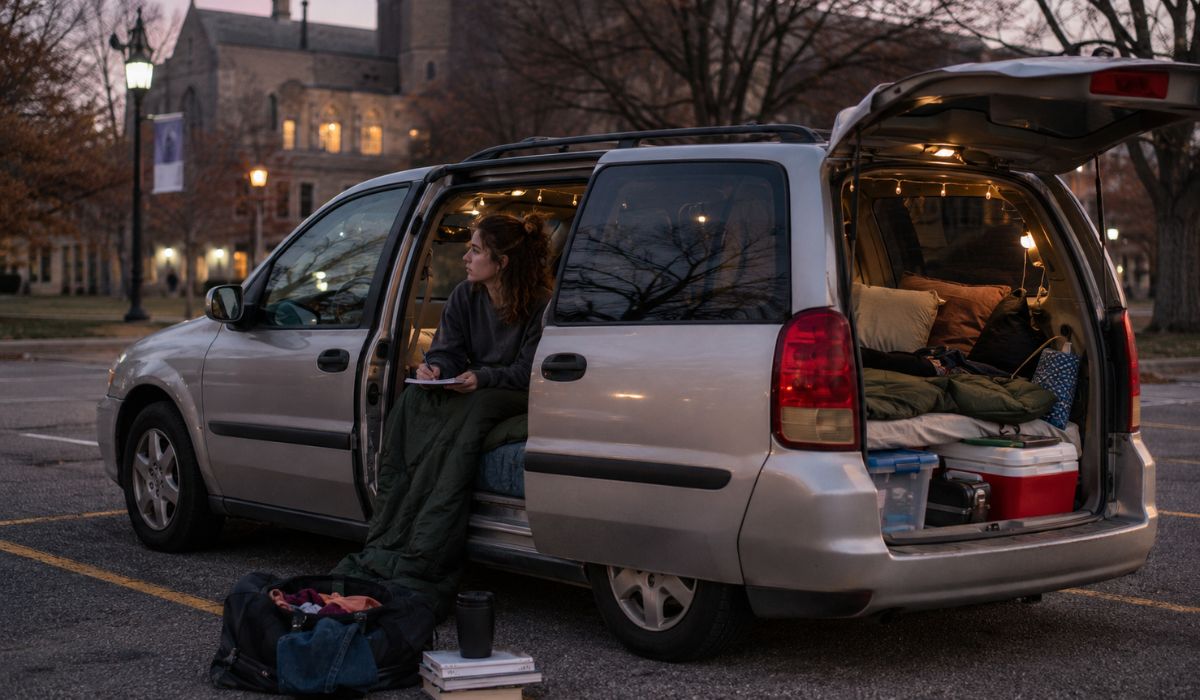
Faced with College Costs, Brazilian Student Lived in a Minivan for Nearly Two Years to Graduate Debt-Free


In practice, it is a real house, created as a family retreat and currently recognized as one of the most photographed examples of construction integrated with nature.
Construction among rocks became a symbol of organic architecture
The Casa do Penedo was conceived by a Portuguese engineer who sought a resting space amidst the mountains.
Instead of leveling the land or removing the rock formations, he decided to completely preserve the existing natural blocks on the site.
Thus, the residence came to be supported by four enormous granite blocks, used as walls, foundations, and roof.
Each room of the house was adapted to the irregular geometry of the stones.
Therefore, the construction practically has no main partitions that are completely straight.
The natural openings between the blocks were closed with wood and concrete, maintaining the original texture of the exposed rock in almost all internal environments.


Granite functions as natural thermal insulation
The technical solution used in the Casa do Penedo was considered unusual in the 1970s.
Today, however, it has returned to the global debate due to discussions about energy consumption and sustainability in construction.
The residence has never had electricity from the public grid.
Since its construction, heating relies exclusively on the thermal mass of granite and a large central fireplace.
During the day, the stones naturally accumulate heat.
Then, at night, they gradually release this energy, functioning as a passive climate control system.
This mechanism significantly reduces the need for artificial heating and electrical cooling systems.
Popularity on social media changed the fate of the residence
With the growth of social media, images of the Casa do Penedo began to circulate worldwide.
Consequently, the comparison with The Flintstones helped transform the residence into an international tourist phenomenon.
However, the fame brought unexpected problems to the owners.
Frequent tourist invasions and acts of vandalism have caused damage to part of the structure over the years.
Therefore, doors and windows needed to be reinforced.
Currently, the building functions as a small museum and is part of official tourist routes in the Fafe region.
Stone houses reappear in the debate on sustainable housing
The Casa do Penedo is not an isolated case in the world.
In Cappadocia, Turkey, houses carved into volcanic formations have been inhabited for thousands of years.
Meanwhile, in Chilean Patagonia, architects follow a similar logic, adapting constructions to rocky terrains instead of completely transforming the landscape.
This model has regained strength because natural stone offers relevant advantages.
Among them are:
- High structural durability
- Natural thermal comfort
- Less reliance on industrialized materials
- Visual integration with the environment
- Reduction in energy consumption
Casa do Penedo reveals another perspective on the future of construction
Casa do Penedo does not represent a large-scale solution to the global housing crisis.
Nevertheless, the Portuguese construction shows that it is possible to create resilient, comfortable homes that are visually integrated with the natural environment.
After more than 50 years, the residence has withstood rain, snow, vandalism, and intense public exposure.
Even so, the gigantic granite blocks remain virtually unchanged.
In light of this, a question continues to pique the curiosity of architects, tourists, and experts: can constructions integrated with nature influence the future of sustainable housing?