






 Portuguese
  Spanish


New Self-Healing Asphalt Technology With Plant Spores Can Repair Cracks Automatically, Reducing Maintenance Costs and Improving Road Quality
Potholes on highways are a recurring problem for drivers and a high cost for governments. Constant repairs on asphalt require large investments and labor.
Researchers are developing an innovative asphalt that is capable of regenerating itself. The new technology was created by scientists from Swansea University and King’s College London, with the support of Chilean researchers.
The difference with this asphalt is that it does not use artificial intelligence and biomass waste to create a material that repairs itself automatically. The proposal can reduce the need for maintenance and extend the lifespan of highways.
-
Chile’s Plan for a 20,000 km Undersea Cable to Hong Kong Halted by U.S. Pressure, Highlighting the Silent Data Control Battle in Latin America

-
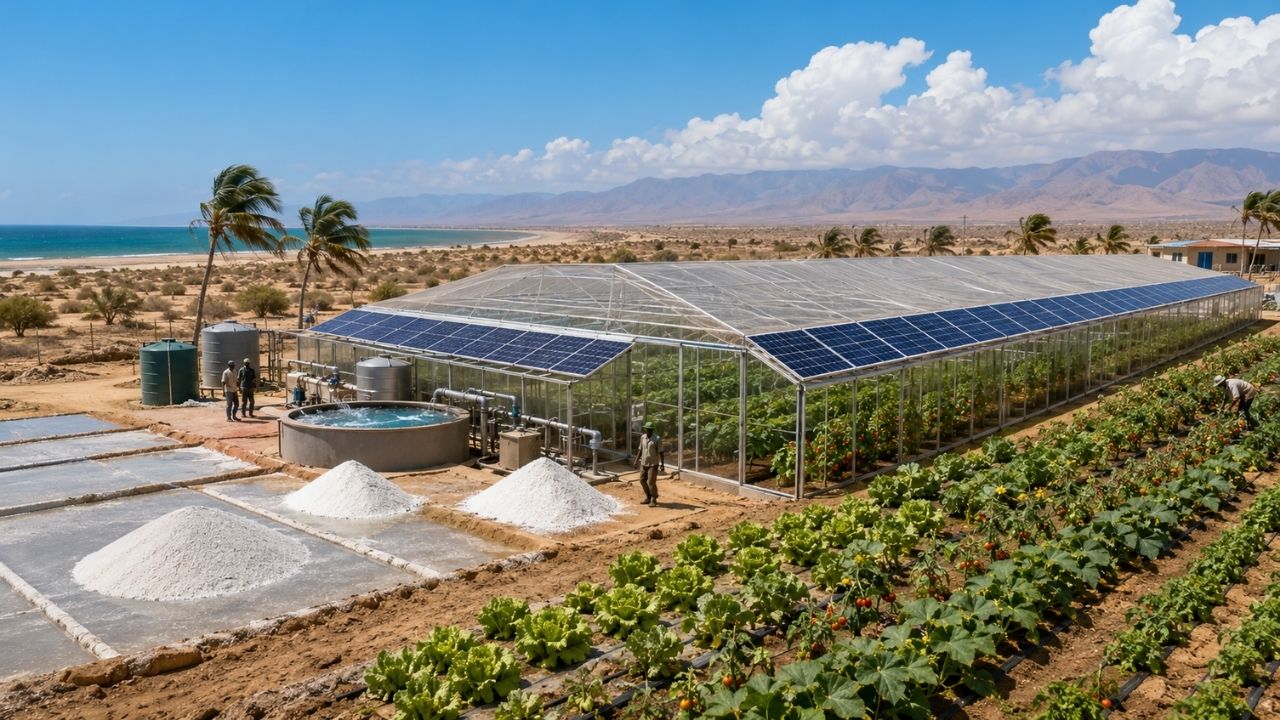
In Somaliland’s Desert, Greenhouse Uses Sun and Seawater to Grow Lettuce, Cucumbers, and Tomatoes Without Rain: 1-Hectare Project Cools Crops, Desalinates Water, and Converts Brine into Commercial Salt
-
Trump Unveils $400 Million Boeing 747 Donated by Qatar as Temporary Air Force One Amid Boeing Delays, Sparking Debate on National Security, Costs, and Foreign Influence
-
Chinese Company Unveils Robotic Toilet That Comes to You, Featuring Lidar Sensors, Voice Command, Bidet, Hot Air Drying, UV Light, and Self-Cleaning Waste Disposal



How Self-Healing Asphalt Works
The dispersion of asphalt occurs due to the oxidation of bitumen, the substance responsible for binding the aggregates in the mix. Over time, bitumen fails to withstand and loses flexibility, leading to the formation of cracks that, if not repaired, can turn into potholes.
Scientists have developed an innovative solution to this problem. They added microscopic spores derived from plants filled with recycled oils to the asphalt. When a crack appears, these spores break and release the oil, automatically repairing the material.
Laboratory tests have demonstrated that this process can repair small cracks in less than an hour, significantly increasing the durability of the pavement.
“In our research, we want to imitate the healing properties observed in nature. For example, when a tree or animal is cut, their wounds naturally heal over time, using their own biology. Creating asphalt that can heal will increase the durability of roads and reduce the need for people to patch potholes,” explained Francisco Martin-Martinez, a computational chemistry expert at King’s College London.
Sustainability and Emission Reduction
The traditional production of asphalt generates an abundance of carbon emissions. To meet the UK’s environmental goals, the road industry is seeking more sustainable alternatives.
The new self-healing asphalt not only reduces the need for maintenance but also utilizes sustainable materials. According to the researchers, the biomass used in the formula decreases the dependence on oil and other natural resources.
“Biomass waste is available locally and everywhere, and it is cheap. Producing infrastructure materials from local resources, such as waste, reduces the dependence on the availability of oil, which helps areas of the world that have limited access to petroleum-based asphalt,” stated Martin-Martinez.
Additionally, the team is using machine learning to analyze the molecular structure of bitumen. This technology allows for simulating and predicting the oxidation of the material, optimizing its composition and performance.
With information from Interesting Engineering.


Be the first to react!