Portuguese
  Spanish


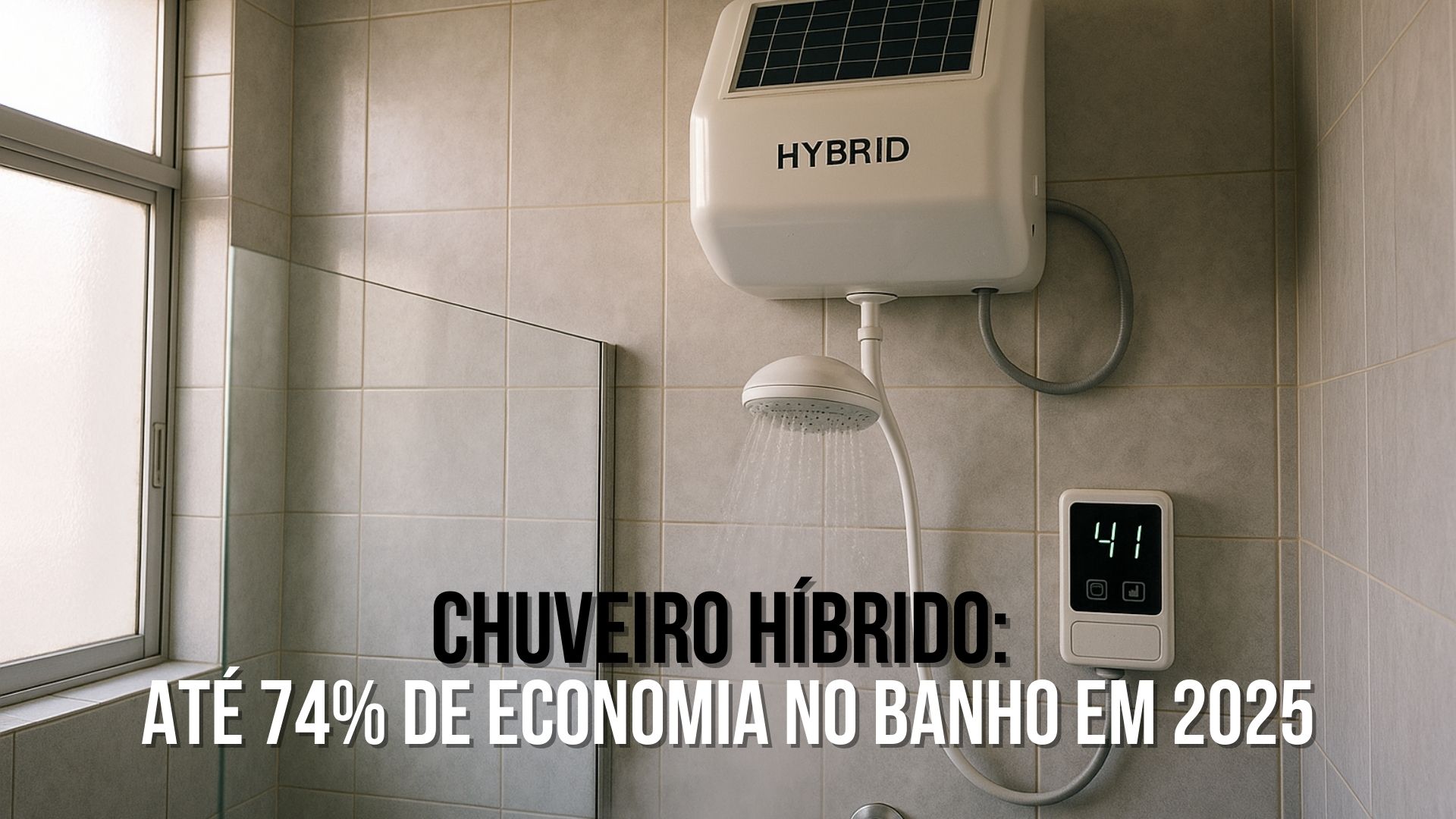

USP Study Evaluates Hybrid Shower That Combines Solar And Electric Energy, Highlighting Efficiency In Water And Energy Consumption, As Well As Lower Medium-Term Costs For Brazilian Families
The hybrid shower, evaluated in a study by the International Reference Center for Water Reuse (CIRRA) at the Polytechnic School of the University of São Paulo, emerges in 2025 as an alternative to replace the traditional electric shower. Over twelve months, thirty volunteers tested different heating systems, analyzing factors such as cost, water waste, heating time, and comfort. The results indicate that the hybrid model can provide hot showers with up to 74% energy savings, representing a relevant innovation for Brazilian households.
How Does The Hybrid Shower Work?


The operation of the hybrid model is simple and automated: it uses solar energy as the main source, with electric support on cloudy days or at night. This way, the system ensures a stable temperature without the need for manual adjustments, reducing waste of natural resources and costs on electricity bills. The adaptation between energy sources is done intelligently, which enhances efficiency under different weather conditions.
Another highlight of the study is the positive environmental impact. Unlike gas or conventional solar systems, the hybrid shower nearly eliminates water loss until it reaches the ideal temperature. This contributes not only to cost reduction but also to more sustainable practices in Brazilian households.
-
Netherlands Reports First Child Euthanasia Case Since Rule Expansion for Minors

-
Brazilian Innovator Survives Homemade Submarine Dive in Paraty Despite Hatch Leak and False Oxygen Alarm

-
China Develops Custom 140-Ton Electric Mining Truck with 770 kWh Swappable Battery, Deploys 290 Units in Xinjiang’s Largest Zinc Mine
-
Meta to Launch Arena, a New Prediction App Targeting 3.56 Billion Users, Competing with Polymarket and Kalshi




What Were The Main Results Of The Research?
According to the data collected, the hybrid shower showed the best energy efficiency rates among all evaluated models.
- Average Water Consumption Per Minute:
- Hybrid: 4.1 l/min
- Electric: 4.2 l/min
- Conventional Solar: 8.4 l/min
- Gas or Boiler: 8.7 l/min
- Average Cost Of An 8-Minute Shower:
- Hybrid: between R$ 0.17 and R$ 0.40, depending on the season
- Electric: R$ 0.30
- Traditional Solar: R$ 0.46
- Gas: R$ 0.59
- Boiler: R$ 1.04
The difference was also significant in initial waste. While conventional gas and solar systems can lose between 4.5 and 5 liters of water until reaching the ideal temperature, the hybrid shower practically eliminates this waste. For families with high daily consumption, this savings represents a considerable impact on water and energy bills throughout the month.
Is The Initial Investment Worth It In 2025?
The installation cost is one of the main concerns for consumers. A common electric shower costs an average of R$ 31, while the hybrid requires around R$ 888. Still, CIRRA indicates that investment is recovered in the medium term, thanks to continuous reductions in energy bills and less need for maintenance. In addition, efficiency in varied climates increases its viability in different regions of Brazil.
According to a publication by Revista Ana Maria, which reported on the study, the economic and environmental advantages of the hybrid system are expected to solidify in the coming years, making it a competitive option compared to traditional models.
How To Choose The Best Heating System?
The decision should consider factors such as climate, usage profile, and installation costs. The research highlights practical points that assist in the selection process:
- Analyze The Local Solar Radiation Potential To Assess The Maximum Utilization Of The Hybrid System.
- Consider The Volume Of Daily Showers That Can Accelerate The Return On Investment.
- Compare The Installation Cost With The Expected Monthly Savings, Weighing Long-Term Benefits.
- Check The Property Structure, Especially In Residences Already Prepared For Solar Systems.
According To The Technical Report “Comparison Of Shower Heating Systems,” Prepared By CIRRA, Each Model Has Specific Advantages And Limitations, But The Hybrid System Emerges As The Alternative With The Best Balance Between Cost, Comfort, And Sustainability In 2025.
Perspectives For The Future Of Showers In Brazil
The study signals a possible retirement of the electric shower in the coming years, especially in urban areas where the cost of energy weighs more on the family budget. The combination of efficiency, reduced waste, and environmental benefits positions the hybrid as a trend in the residential market.
With the expansion of policies to encourage the use of solar energy in the country, the expectation is that installation prices will gradually decrease, facilitating access to this technology for a larger number of consumers.
So, Would You Replace Your Electric Shower With A Hybrid If Your Electricity Bill Fell By Almost Half?