Portuguese
  Spanish




New York Uses More Than 12 Million Pounds of Salt to Combat Snow After Severe Snowstorm in the US and Clear Streets and Sidewalks
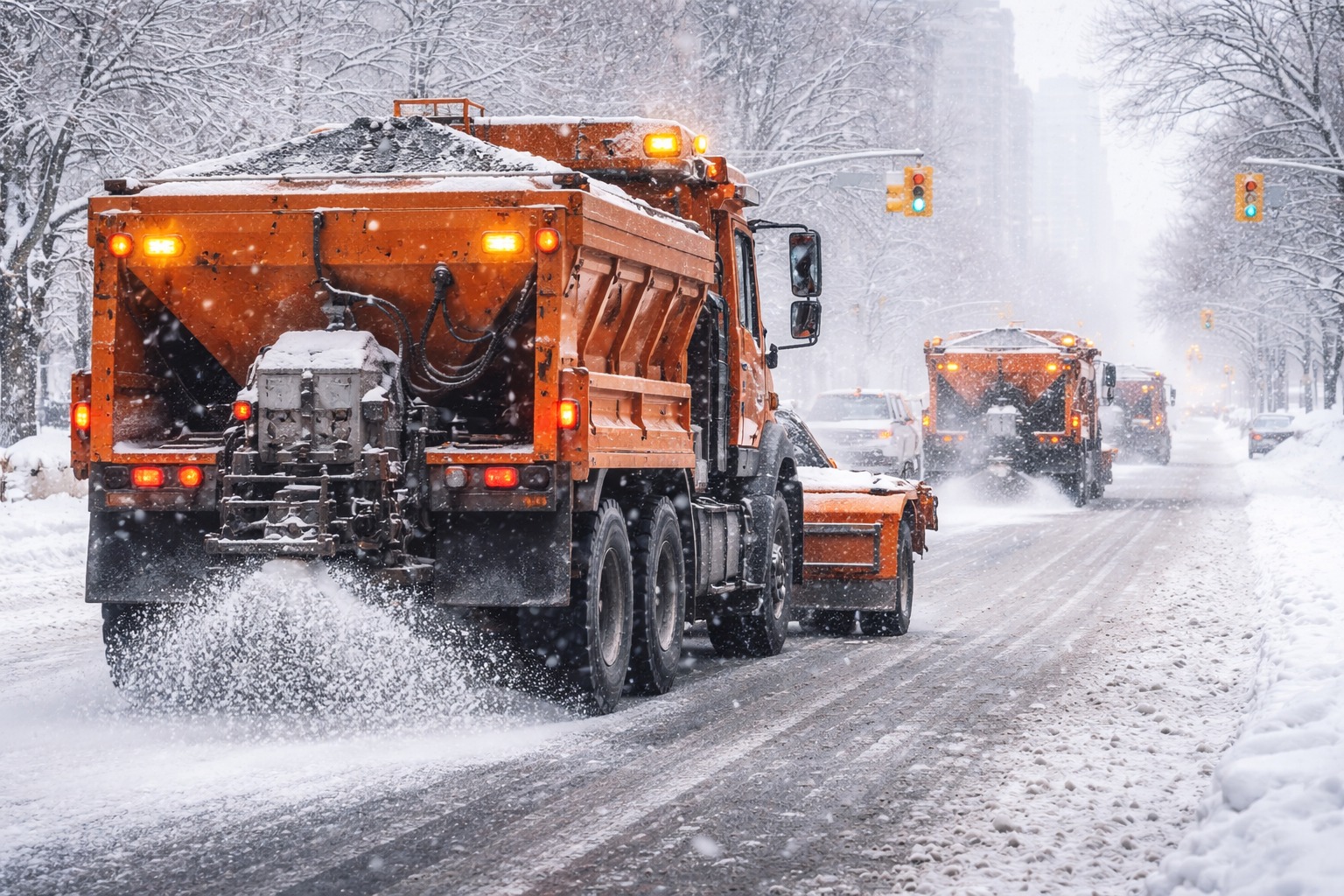
The snowstorm in the US led the New York City Hall to apply more than 12 million pounds of salt on the streets to remove ice and snow, after a storm hit several regions, impacting the flow of vehicles and pedestrians.
Intensive Use of Salt After Snowstorm in the US
In light of the snowstorm in the US, the New York City Hall adopted a strategy based on large-scale application of salt to unblock roads and sidewalks.
More than 12 million pounds of the product were used to reduce ice accumulation in the affected areas.
-
Teen Invents AI-Powered Traffic Light to Assist Elderly Pedestrians by Extending Crossing Time

-
NASA Plans Telescope That Can Be Repaired by Robots 1.5 Million Kilometers from Earth

-
China Launches First Oceanic Medical Rescue Ship with Advanced Facilities to Serve Remote Regions

-
Midea Unveils Portable PortaSplit Air Conditioner: 12,000 BTUs, Quiet Mode, Heating, Dehumidification, App Control, and AI Efficiency Without Professional Installation




Almost all cities in the state of New York were treated with salt at least once. In addition to the public authorities’ actions, residents are also advised to use the product to clean sidewalks and open paths for pedestrians.

How Salt Works Against Snow
The use of salt in the snowstorm in the US is based on a chemical reaction that occurs when the product comes into contact with snow.
Salt melts the ice and forms a layer of salted water on the surface.
In addition to causing melting, salt alters the freezing point of water. In its pure state, water freezes at 0 °C, a temperature often reached in colder regions.
Common salt lowers the freezing point of water to something between 9 °C and 10 °C. Because of this, freezing and crystallization become much more difficult, even under low temperatures.
This chemical process explains why the technique is widely used during episodes of snowstorm in the US, especially in states with harsh winters.
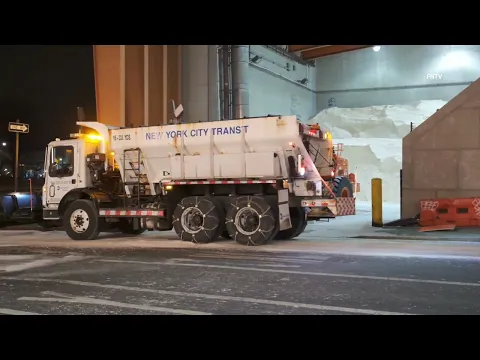
Trucks Spread Salt on Roads
In areas affected by the snowstorm in the US, specific trucks travel streets and highways spreading salt to expedite melting. This measure is considered more effective than using hot water.
Although it seems intuitive, hot water has a temporary effect. After a short time, the water freezes again, reducing its effectiveness in combating ice.
The application of salt, on the other hand, prolongs the effect and keeps the roads clear for longer, facilitating traffic flow.
With information from Metrópoles.