Portuguese
  Spanish




SENAI opens the 2026 cycle of the Innovation Platform for Industry with around R$ 190 million and a clear promise: accelerate R&D&I projects, reduce risk for companies, and bring concrete productivity gains to factories.
SENAI will open on July 1st the 2026 cycle of the Innovation Platform for Industry, with around R$ 190 million allocated to Research, Development, and Innovation (R&D&I) projects in the country. The aim is to finance initiatives with practical effects within factories, from productivity gains to new solutions for the Brazilian industry.
The volume of resources comes at a time when companies are looking to reduce risks and accelerate results in innovation, without bearing the entire cost of the projects alone. The platform’s proposal is precisely to share challenges, bring industries closer to research institutes, and shorten the path between theory and real application on the factory floor.
According to the Industry Portal, the initiative will complete 22 years in 2026 and has already established itself as the most enduring support instrument of the last two decades in the sector.
-
Indonesia Plans to Build 5,000 Suspension Bridges by 2026 to Connect Rural Communities to Schools, Health Centers, and Markets

-
U.S. Invests $75 Million in Projects to Extract Rare Earths, Gallium, Germanium, and Aluminum from Coal Waste
-
Eni Acquires 25% Stake in Chilean Lithium Project, Plans to Invest Up to $225 Million in Eco-Friendly Extraction Method
-
French Brand Transforms 6 Million Brazilian PET Bottles into Sustainable Sneakers for Global Fashion Market


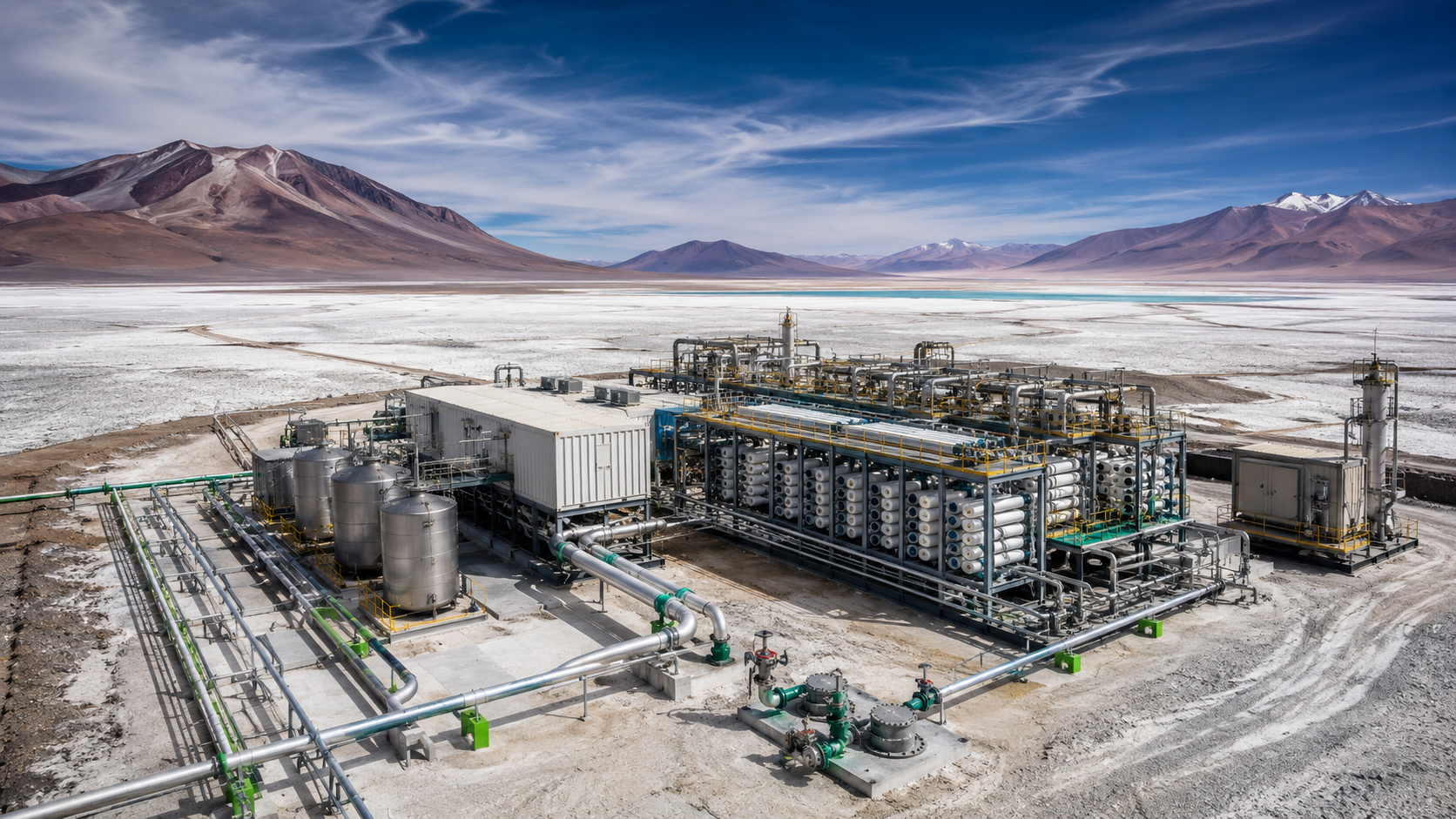

Platform has already moved over R$ 1.6 billion and reached 2,500 companies
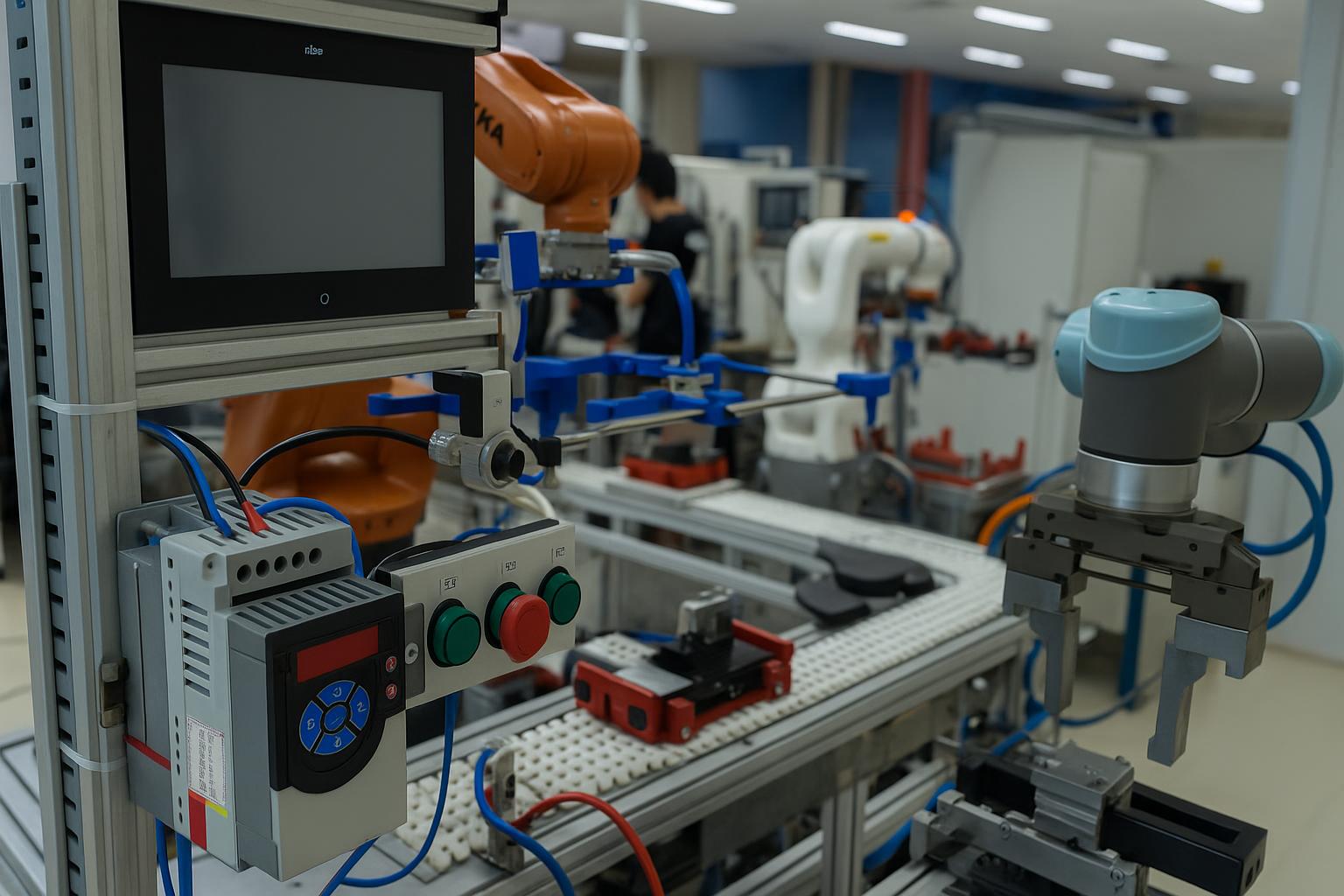
Since 2004, the Innovation Platform for Industry has moved over R$ 1.6 billion between SENAI resources and private sector contributions. During this period, more than 1,600 projects were enabled for 2,500 companies across 19 economic sectors.
The numbers help to show why the new round draws attention. It is not an isolated action, but a program with a long history and significant reach within the industry. The scale also indicates that the platform has become an entry point for companies wanting to test solutions, structure new products, or implement projects that typically face cost and risk barriers.
Regional call, innovation habitats, and alliances are among the highlights
The 2026 launch comes with different support fronts. Among the highlights are the Regional Call, aimed at operations coordinated by Regional Departments; the Innovation Habitats, which allow companies to use the physical infrastructure and research team of the SENAI Institutes of Innovation and Technology; and initiatives like Agenda.Tech and Seed Project.
These actions were designed to structure alliances and technological roadmaps focusing on challenges with a greater impact on the country. In practice, the proposal is to gather skills that the company alone would hardly have to carry out an R&D project up to the application stage.
MOVER opens new lines with subsidies of up to 60% and focus on productivity
In addition to the general categories of the platform, the 2026 cycle will also have calls from the Green Mobility and Innovation Program (MOVER), an industrial policy of the federal government operated by MDIC. The program seeks decarbonization, innovation, and competitiveness in the automotive chain.
In the lean manufacturing consultancy and digitalization axis, resources are 100% subsidized, with no direct cost to participating companies. In the Research and Development axis, subsidies can reach up to 60% of the project values.
Among the planned calls, the 9th call for lean manufacturing and digitalization will have R$ 14 million to increase the productivity of at least 116 companies, with a goal of at least a 20% gain through Lean methods and Industry 4.0 technologies.


Automotive consortia and startups also enter the call’s radar
Another front is Industrial Alliances, with an estimated budget of R$ 21.2 million. The line supports consortia with three or more automotive industries to develop R&D projects between R$ 1 million and R$ 8 million, aimed at sector challenges.
The Startups and SMEs Alliances line foresees the formation of groups with three or more startups or small and medium-sized enterprises. The estimated budget is R$ 7.7 million, with projects ranging from R$ 600 thousand to R$ 2 million.
For SENAI, the logic is to reduce barriers so that ideas come off the paper and become concrete results. “The Innovation Platform for Industry promotes risk reduction for the company in R&D and innovation projects,” said Roberto de Medeiros Junior, superintendent of Innovation and Technology of the entity.
The rules and schedules vary according to the call of each category, and participation requires registration with project idea details. The recommendation for interested companies is to follow the calls and seek support from the innovation interlocutors of the regional departments, who act as focal points in the submission, evaluation, and contracting process.
With R$ 190 million projected for 2026, the platform returns to the center of the dispute for productivity, competitiveness, and technology in the Brazilian industry. Those who follow the sector should pay attention to upcoming calls for proposals, as it is from there that some of the projects with a real chance of scaling up emerge.
If you want to follow more initiatives like this, it’s worth keeping an eye on the next calls and sharing the article with those interested in industrial innovation.