






 Portuguese
  Spanish


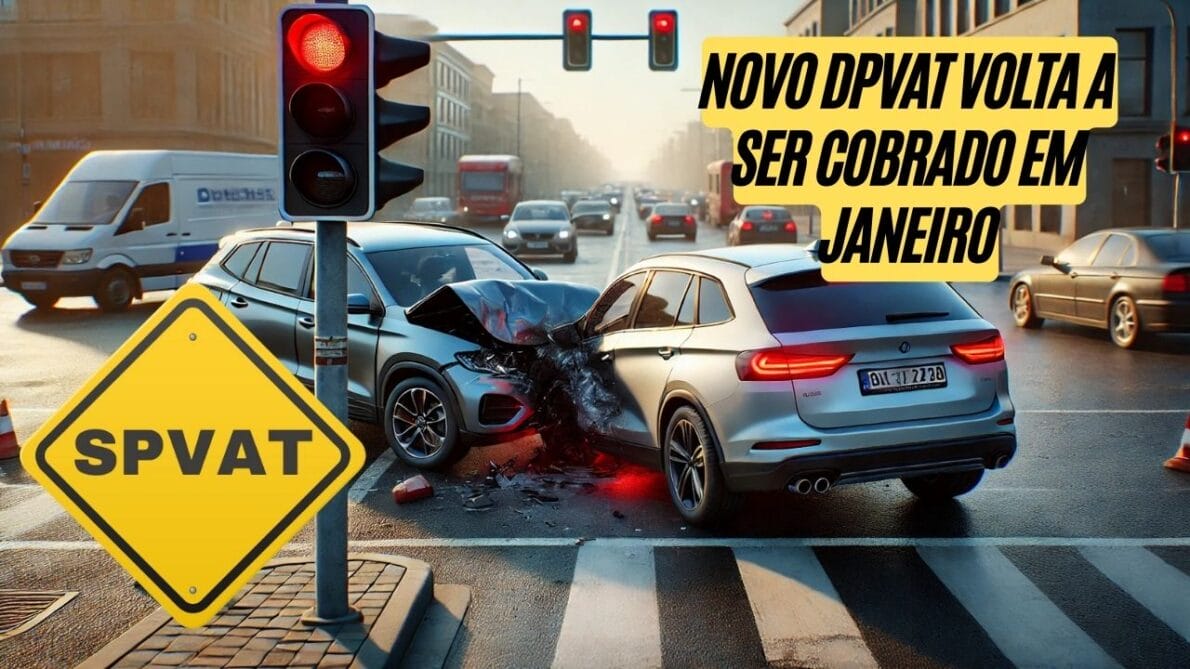

Get Ready, Driver! After Four Years of Absence, the Mandatory Insurance for Vehicles, Known as DPVAT, Will Return with Full Force in January 2025, Now in a Renewed Version: SPVAT (Mandatory Insurance for Protection of Victims of Traffic Accidents). With This Measure, the Government Seeks to Fill the Gap Left by the End of DPVAT in 2020, Which Affected Thousands of Brazilians Left Financially Vulnerable After Accidents.
The new DPVAT, approved by the Lula government, aims to ensure protection for all victims of traffic accidents, offering compensation for death and permanent disability, in addition to reimbursements for medical expenses. This return responds to the high demand from drivers and passengers who, without private insurance, are vulnerable in the face of accidents. It is estimated that around 400,000 people annually will be entitled to some form of compensation from SPVAT.
With an annual fee expected to be between R$50 and R$60, an amount still subject to confirmation, the fee will be mandatory for all vehicle owners in Brazil, being included directly in licensing and IPVA in states that have signed partnerships for the integrated collection process. However, this inclusion is still pending for a large part of the country.
SPVAT: Who Should Pay and How Will the Collection of the New DPVAT Be Made?
The implementation of SPVAT imposes new payment rules. In the states that have already joined the agreement with Caixa Econômica Federal — Bahia, Espírito Santo, Paraíba, Maranhão, and Sergipe — the amount for the new DPVAT will be added to the annual licensing, along with the IPVA. In other states and in the Federal District, drivers will have to pay directly to Caixa Econômica Federal, under penalty of having their vehicle irregular.
-
2027 Toyota Corolla Cross Unveiled: New Design, Enhanced Fuel Efficiency, Reduced Maintenance Costs, Advanced Technology, Connected Services, and Up to 10-Year Warranty

-
Fiat Cronos Precision 2018: Affordable Sedan with Spacious Trunk and Reliable Maintenance
-
Volkswagen to Cut Production by 1 Million Cars by 2030, Reducing Jobs and Platforms, Focusing on More Profitable Models

-
Toyota Launches First 100% Electric Car in Brazil: bZ4X with 343 HP, All-Wheel Drive, 361 km Range, Priced at $419,990 BRL, Limited to 99 Units




Failure to pay the SPVAT will be classified as a very serious offense, with severe penalties: seven points on the driver’s license, a fine of R$293, and the possibility of vehicle seizure.
Why is SPVAT So Important for Traffic in Brazil?
More than a Bureaucratic Requirement, SPVAT is Seen as a Social Protection, Offering Essential Support to Victims of Traffic Accidents. The National Association of Detrans Advocates That the Resumption of Mandatory Insurance Not Only Promotes Social Justice but Also Ensures That Vehicles on the Streets Comply with the Legislation, Minimizing Risks of Accidents Without Coverage and Facilitating Access to Compensation.
With the Integration of Payment Records in the Senatran System, the Government Hopes to Improve Control Over Vehicle Regularization, Increasing Traffic Safety. For Drivers and Passengers, This Means Less Uncertainty and More Financial Support in Case of Incidents.
What to Expect in the Coming Years?
The Reintroduction of Mandatory Insurance, Now as SPVAT, Raises Important Questions. For Many, It Provides the Security of Accessible Compensation, Essential for Those Without Private Insurance. But Is It Really Beneficial? Despite Its Purpose of Social Assistance, the New DPVAT Also Implies an Additional Cost to Vehicle Owners.
So Far, the Government Has Not Announced Any Direct Contribution to the SPVAT Fund. Revenue Will Primarily Come from Payments from the Drivers Themselves, Which Makes the Insurance Have Characteristics of a Self-Financing Program. In Other Words, While the Fee May Seem Affordable, the Burden of Financing Falls on Vehicle Owners, Who Must Pay to Keep Their Documents Up to Date.
Nonetheless, the measure is justified in light of the lack of a public alternative for accident coverage since the end of DPVAT. For Many Victims and Their Families, SPVAT Will Be the Only Financial Support. Time Will Tell if the Insurance Will Bring the Promised Benefits or If It Will Represent Another Fee Imposed Without Significant Return.







