






 Portuguese
  Spanish


Government Prepares Announcement Of Record Rural Credit, Expands Support For Sustainability And Prioritizes Small Producers In New Cycle Of The Safra Plan.
The federal government is preparing the official announcement of the Safra Plan 2024/2025 with the promise of surpassing the historical mark of R$ 500 billion in rural credit, expanding access to resources for farmers and ranchers across Brazil.
The initiative will especially prioritize small producers, reinforcing policies for incentives and adaptation to the current economic scenario, marked by challenges such as inflation above the target and budget constraints.
Scheduled for launch at the end of June 2025, in a ceremony at the Palácio do Planalto that will include President Luiz Inácio Lula da Silva and economic ministers, the new Safra Plan will make a record volume of resources available for the Brazilian agricultural sector.
-
Brazilian Farmers with Basic Education Create Backyard Machines That Win National Invention Contest, Beating 242 Projects

-
Brazilian Farm Innovates with Cage-Free Chickens, Producing 3,300 Odorless Eggs Daily

-
From Selling Unsold Saplings to Creating Brazil’s Most Awarded Olive Oil Brand with 330 Accolades and a $12 Million Goal by 2026
-
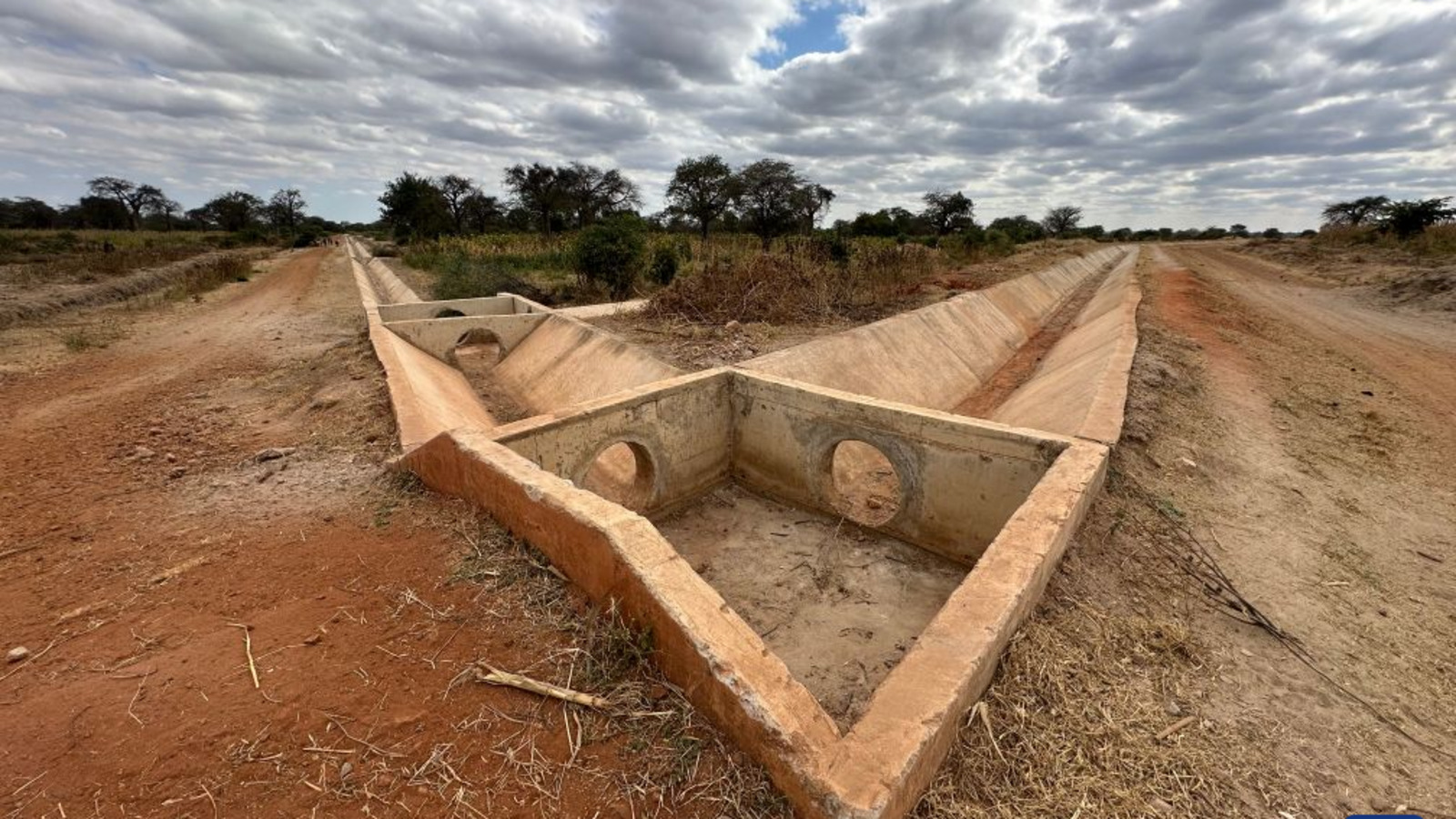
China Builds 400-Hectare Irrigation System in Tanzania to Aid 1,000 Families Dependent on Rainfall


The program promises to benefit everyone from family farmers to medium producers, as well as maintain specific financing lines for costs, investments, and commercialization, adjusted according to market demands.
Safra Plan 2024/2025 Expands Credit And Reinforces Sustainability
According to information from the Ministry of Agriculture and Livestock, the design of the Safra Plan 2024/2025 includes a significant increase in resources directed towards sustainable production and the adoption of agroecological practices, such as promoting the production of organic foods.
The government also aims to improve access mechanisms to credit for family farmers and cooperatives, as well as expand support for the commercialization of products from family agriculture.
Minister Carlos Fávaro stated that the central commitment is to ensure financial security for rural producers, balancing the need to stimulate the sector with the state’s fiscal responsibility.
According to Fávaro, the rural credit from the new Safra Plan will reach the field with “heightened attention to the country’s fiscal situation,” which justifies adjustments to interest rates and criteria for releasing financing.
Rural Credit Interest Rates Vary From 8% To 12% Per Year
Sources in the financial sector linked to the Ministry of Agriculture indicate that interest rates for rural credit for the 2024/2025 harvest are expected to range between 8% and 12% per year, depending on the borrower’s profile and the type of credit line selected.
Small producers and family farmers tend to receive more favorable conditions, while operations for large producers and high-value projects may reach the higher percentages.
The increase in rates accompanies the national economic context, which is currently facing inflationary pressure and rising production costs.
Still, representatives of sector entities, such as the Federation of Agriculture of the State of Paraná (FAEP), evaluate that the amount made available by the Safra Plan represents a breakthrough for agribusiness, especially in light of the damages caused by recent climatic events and the rise in agricultural input prices.
Incentive For Productive Inclusion And Sustainable Production
One of the pillars of the Safra Plan 2024/2025 is the strengthening of family agriculture and small producers, a segment responsible for a significant portion of food production in the country.
For this audience, the government intends to expand the National Program for Strengthening Family Agriculture (Pronaf), with specific credit lines for purchasing machinery, inputs, and adopting technology.
Additionally, the new edition of the Safra Plan will reinforce incentives for sustainable production, encouraging practices that minimize environmental impact, such as the recovery of degraded areas, integration of crop-livestock-forest systems, and the expansion of agricultural insurance to mitigate climate risks.
Productive inclusion will also be expanded with support for rural technical assistance, allowing farmers access to updated knowledge and good management practices.
For 2025, the federal government expects new investments in training, rural extension, and technological innovation, aiming to increase productivity and the income of families in the field.
Historical Resources, Guarantees And Expected Impact
The total amount of more than R$ 500 billion, which will be officially announced in the new Safra Plan, represents the largest volume of rural credit ever offered in the program’s history.
The resources will be distributed among financing for harvest costs, investments in productive infrastructure, storage, acquisition of equipment, and commercialization projects.
According to the government, part of the resources will be allocated to the National Program for Supporting Medium Rural Producers (Pronamp), a line created to assist medium-sized producers, offering differentiated rates and better payment conditions.
The focus on diversification of crops and protection against market risks is another guideline of the new Safra Plan, responding to the sector’s need for resilience in the face of climatic and economic fluctuations.
Public financial institutions, such as the Bank of Brazil, Caixa Econômica Federal, and the National Bank for Economic and Social Development (BNDES), will continue to be the main operators of the resources from the Safra Plan.
In 2025, an increase in the participation of credit cooperatives is also expected, facilitating small producers’ access to the national financial system.
Sector Awaits Announcement And Debates Impact For The Field
With the official announcement approaching, representative entities of agribusiness highlight the importance of a robust Safra Plan to ensure stability and security for the field, especially in a scenario of high costs and price volatility.
The expansion of resources is seen as a fundamental step to maintain high food production, meet domestic demand, and strengthen Brazil’s role as the world’s leading exporter of agricultural commodities.
Experts point out that the efficiency of the program will depend on the speed of financing releases and the close monitoring of incentive policies for sustainable production.
Additionally, the new Safra Plan will be an important thermometer to measure the confidence of rural producers in the economic environment and the management of public policies for the sector in 2025.
The announcement of the Safra Plan 2024/2025 is highly anticipated and is expected to guide the debate on the future of national agribusiness in the coming months.
How do you assess the impact of this record volume of resources for rural credit and the focus on sustainable practices for small producers? What measures could further enhance the benefits of the Safra Plan for all segments of Brazilian agriculture?







Li todo o texto da notícia comentada sobre o plano safra 2025-2026. Apenas estranhei a inexistência de qualquer menção de como será dividido o montante anunciado de financiamentos com juros de 8 a 12 por cento ao ano dos 500 bilhões de reais, entre os setores das chamadas pequena e média economia familiar e a grande agricultura voltada para a exportação, que, além dos juros subsidiados, está última contando com subsídios à exportação, quase sempre criticados pelos concorrentes de outros países e questionamentos ao Brasil, perante os órgãos internacionais voltados para o Comércio. No entanto, sobre o espetacular financiamento ao Agro, ouvi, nos últimos dias, numa reportagem televisiva, que aos pequenos e médios produtores rurais, responsáveis pela quase totalidade de alimentos consumidos no Brasil, o montante a ser distribuído estaria entre 84 e 88 bilhões, enquanto o restante, isto é, o que caberá à grande agricultura e pecuária de exportação terá um montante superior a 400 bilhões. REPITO. Por que tal circunstância teria sido omitida no texto que acabei de ler? Ela não tem importância? Ou seria conveniente a algum setor interessado?