






 Portuguese
  Spanish


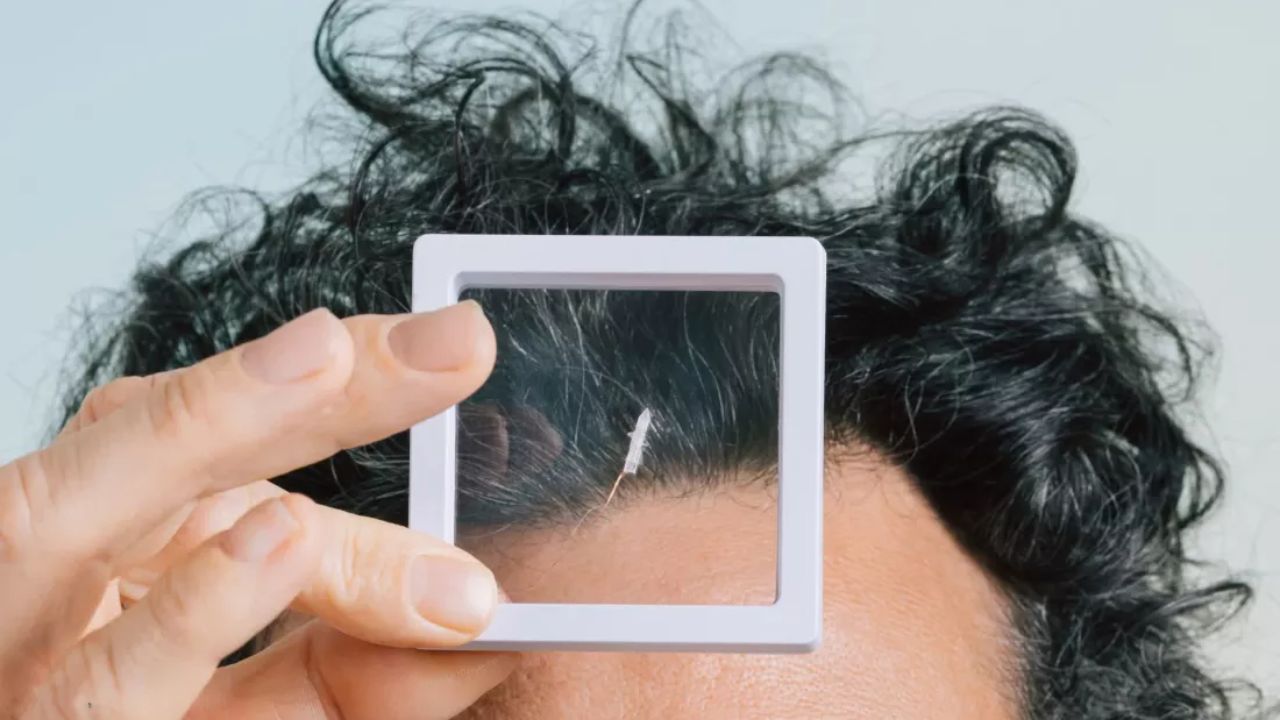

With An Investment Of Over 25 Million Euros, The New Robot Developed By A French Startup Promises To Revolutionize Brain Surgeries By Minimizing Damage To Tissues And Treating Diseases Such As Parkinson’s.
A Robot As Small As A Grain Of Rice Revolutionizing The World Of Medicine? This Is The Reality Created By The French Startup Robeauté. With The Recent Fundraising Of Over 25 Million Euros, The Company Has Taken A Giant Step Towards Transforming Brain Surgeries, Bringing More Precision And Safety To Delicate Procedures.
But What Makes This Innovation So Special? Let’s Explore The Details Behind This New Robot And Understand Why It Promises To Change The Future Of Neurosurgery.
The Innovation Behind The New Robot

When We Talk About Brain Surgeries, Precision Is Everything. Traditional Methods, While Effective, Are Often Invasive And Can Cause Damage To Brain Tissue. This Is Where The Magic Of The New Robot Created By Robeauté Comes In.
-
China Develops Custom 140-Ton Electric Mining Truck with 770 kWh Swappable Battery, Deploys 290 Units in Xinjiang’s Largest Zinc Mine

-
Meta to Launch Arena, a New Prediction App Targeting 3.56 Billion Users, Competing with Polymarket and Kalshi

-
Scientist Challenges Famous Human Evolution Theory, Argues Homo Sapiens Evolved Gradually Over Thousands of Years
-
15-Year-Old American Builds Ocean Generator with PVC Pipe and 3D-Printed Propeller for $12, Wins National Prize, Presents at White House, and Makes Forbes 30 Under 30 List




Unlike The Rigid Tools Currently Used, This Microrobot Moves Smoothly Inside The Brain, Minimizing The Risks Of Injuries. It Can Be Used In Biopsies, Collecting Tissue Samples Without Compromising Healthy Areas, And In The Future, It May Implement Electrodes To Treat Diseases Such As Parkinson’s.
Guided By A Neurosurgeon, The Robot Follows Predefined Trajectories And Is Monitored In Real Time. It Combines Cutting-Edge Technology In Electronics, Robotics, And Microfabrication, Bringing The Most Modern Solutions To The Operating Rooms.
From Personal Inspiration To Cutting-Edge Technology
Every Great Innovation Arises From A Need, And The New Robot Is No Exception. The Story Behind Its Creation Is As Inspiring As The Technological Advance It Represents.
Bertrand Duplat, Co-Founder Of Robeauté, Decided To Develop The Technology After Facing The Frustration Of Being Unable To Treat His Mother’s Inoperable Brain Tumor. It Was This Personal Pain That Motivated Him To Seek A Solution That Would Help Other Families Avoid Similar Situations.
It Took Five Years Of Research And Collaboration With Various Laboratories To Make The Robot A Reality. From The First Successful Tests On Animal Cadavers To More Complex Experiments On Humans, The Path Was Challenging But Full Of Learning.
Applications And Impact In The Medical Field
The First Application Of The Robot Is In Brain Biopsies, Allowing For Tissue Collection With High Precision And Low Risk. This Could Open Doors To Faster Diagnoses And More Effective Treatments.
In Addition To Biopsies, The Robot Has The Potential To Revolutionize Neurological Treatments. It Could Assist In The Implantation Of Electrodes, Enabling Innovative Therapies For Diseases Such As Parkinson’s And Other Conditions Affecting The Nervous System.
Funding And Future Perspectives
The Recent Funding Round Of 25 Million Euros Is A Clear Sign That The Market Believes In The Potential Of Robeauté. With These Resources, The Startup Plans To Expand Its Testing And Bring Its Technology To The Largest Medical Centers In The World.
Although The Robot Has Shown Promising Results, The Major Challenge Now Is To Obtain Regulatory Approvals, Such As The FDA In The United States. The Expectation Is That Human Testing Will Begin In 2026, Marking The Start Of A New Era In Neurosurgery.






