






 Portuguese
  Spanish


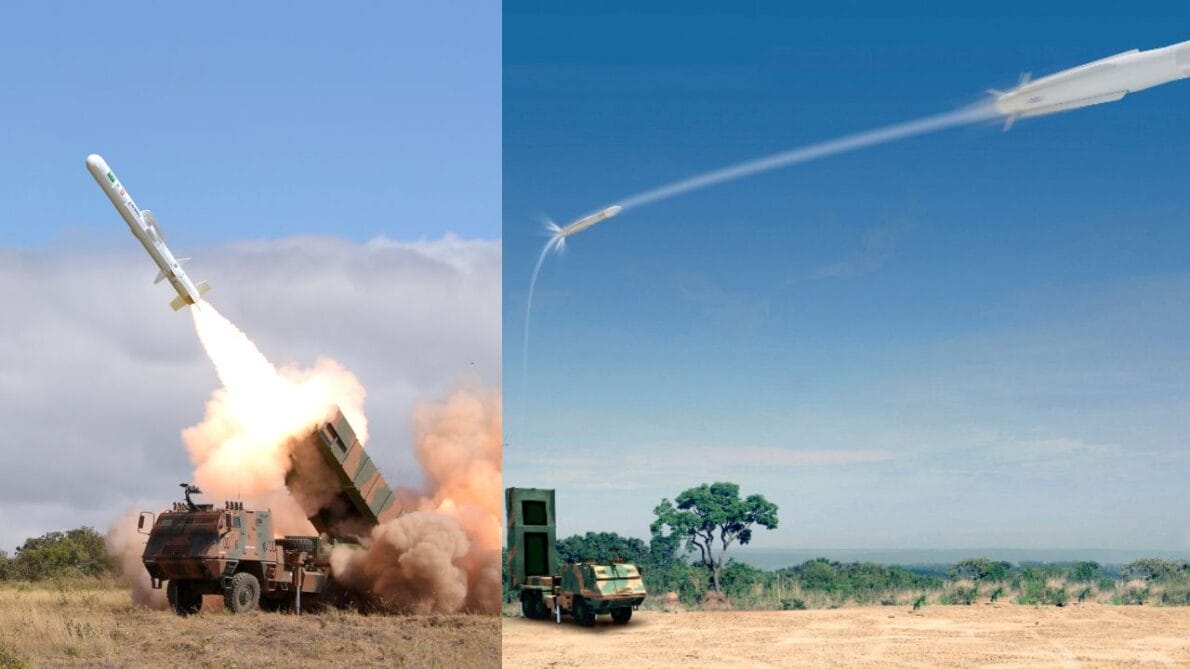

The Fundamental Differences Between the ASTROS 2 Artillery System, Developed by Avibras for Land Attacks, and Anti-Aircraft Defense Systems Designed to Intercept and Neutralize Air Threats Such as Airplanes, Helicopters, and Drones.
Avibras, renowned for its innovations in the defense sector, is the creator of the ASTROS 2 (Artillery SaTuration ROcket System), a powerful saturation artillery system that plays a crucial role in modern conflicts, but should not be confused with an anti-aircraft defense system.
The ASTROS 2 is primarily designed to target ground targets, including troop concentrations, armored vehicles, and strategic infrastructures. Its ability to perform rapid successive multiple launches allows it to saturate an area with high intensity, overwhelming enemy defenses and causing significant damage.
Avibras ASTROS 2 Does Not Have the Capacity to Engage Air Targets


Unlike anti-aircraft defense systems, Avibras’ ASTROS 2 does not have the capability to engage air targets such as airplanes, helicopters, or drones. Anti-air systems specialize in detecting, tracking, and intercepting flying objects, utilizing technologies such as radar and heat-seeking or electromagnetic-wave guided missiles.
-
France Revamps 530 Social Housing Units with Large Balconies and Glass Facades Without Demolishing Existing Buildings

-
10-Year-Old Max Makes History with Paris Fashion Show, Launches Own Brand, Hires Staff, and Sets World Record as Youngest Runway Designer

-
Bolivian Female Construction Workers Form Association to Combat Discrimination and 38% Pay Gap in the Industry
-
Near Amsterdam, residents buy land and discover they must also build streets, manage drainage, handle waste, and grow food on half their plot.




To illustrate, well-known systems like the Russian S-300, the American Patriot, the Israeli David Sling, and the Franco-Italian SAMPT are designed for air defense, capable of neutralizing air threats at different altitudes and distances.
ASTROS 2 How Modern Anti-Air Defense Systems Employ State-of-the-Art Technology for Navigation and Guidance
Both the ASTROS 2 and modern anti-aircraft defense systems employ state-of-the-art technology for navigation and guidance, ensuring accuracy in their operations. Additionally, both face electronic countermeasures from adversaries, such as chaffs and flares, which attempt to divert their sensors.
Understanding the distinction between an artillery system like the ASTROS 2 and anti-air defense systems is crucial to appreciate defense strategies and the specific role each technology plays in the military context. While both are fundamental to modern warfare, their functions and objectives are distinctly different.









Avibras é muito estratégia e tem que ficar no Brasil
Resumindo não temos uma tecnologia de ponta pra defesa ,tudo básico.
Temos tecnologia de ponta sim, você que é b*** e não pesquisa.
Enfim! Seria interessante se a avibras fissese uma adaptação do astros para defesa antiaérea, com sistemas de radar e detector, acredito que no futuro a avibras tenha um projeto de astros defesa antiaérea!