






 Portuguese
  Spanish


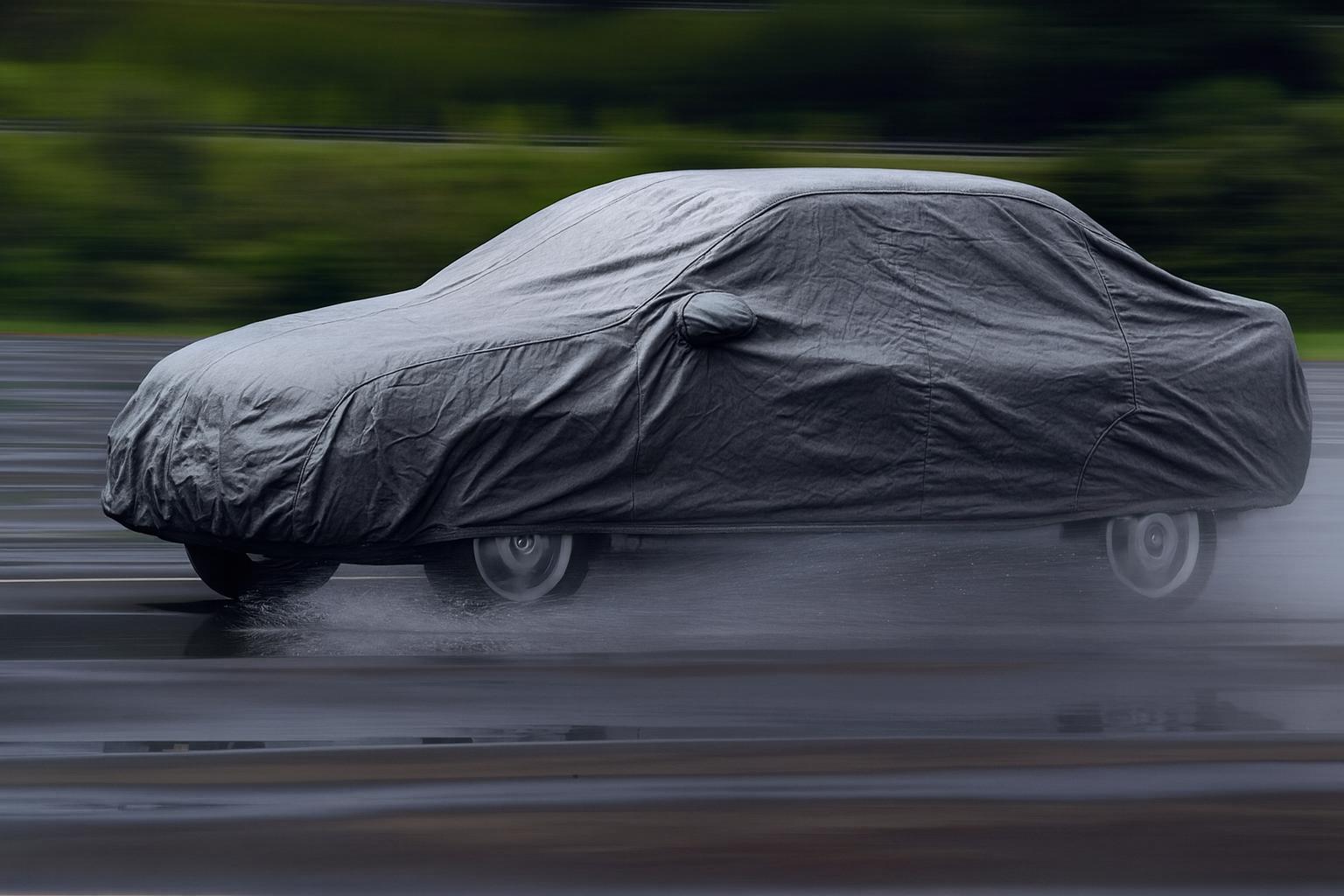
Chevrolet Classic Sold Over 3 Million Units in Brazil, Marked Generations and Was Discontinued in 2012 After Nearly 40 Years as an Icon of Mid-Size Sedans.
Few cars in the history of the national automotive industry have had such a long and remarkable journey as the Chevrolet Corsa Sedan and its evolution into the Classic. Launched in Brazil in 1994, the model quickly became popular for combining robustness, low maintenance costs, and enough interior space to meet the needs of middle-class families.
Over nearly four decades, with ups, downs, and restyling, the car became a true icon of Chevrolet in the country. More than 3 million units sold nationally and internationally, solidifying its status as one of the most emblematic mid-size sedans ever produced in Brazil. Its definitive farewell occurred in 2012, leaving a void in the market and a lot of nostalgia for drivers who grew up using the model as a reference.
The Arrival That Changed the Game
In the 1990s, General Motors saw an opportunity in Brazil to launch a compact but versatile car that could compete with rivals from Volkswagen and Fiat.
-
Toyota Launches First 100% Electric Car in Brazil: bZ4X with 343 HP, All-Wheel Drive, 361 km Range, Priced at $419,990 BRL, Limited to 99 Units

-
Chinese SUV Achieves 24.4 km/l, Outperforms Toyota Yaris Cross in Real-World Tests with 224 hp Hybrid System, Offers 51-Liter Tank for Greater Range, and Costs Up to R$ 5,000 Less.

-
Uber Black Revamps Fleet, Drops Ten Car Models and Sets Deadline for Electric BYD Dolphin
-
Chinese Giant Uses Metal Structures and Cranes to Deliver Over 700 Electric Cars to Brazil


The Corsa Sedan, derived from the hatchback that was already successful in Europe, was the bet to win over Brazilian consumers who were looking for a reliable and modern automobile, yet still affordable.
The car debuted with rounded design, efficient engines for the time, and above-average finishing among compacts. Quickly, the model established itself as a status symbol among emerging families looking to trade in a popular hatch for a sedan with more trunk space.
From Corsa to Classic: A Journey of Success
Over time, the car gained new identities. The first major transformation came in the early 2000s when Chevrolet launched the second-generation Corsa Sedan, more sophisticated and with lines inspired by the global design of the brand.
However, the original model, simpler and cheaper, continued to be produced in parallel, rebranded as the Chevrolet Classic.

This strategic decision made all the difference: while the renewed Corsa catered to consumers looking for more modernity, the Classic became the flagship for fleets, taxi drivers, and ride-hailing drivers, thanks to its competitive price and low maintenance costs.
With this division, Chevrolet managed to extend the life of the original project for a longer time, turning the Classic into one of the longest-lasting cars in Brazilian history.
The People’s Car and the Streets
For decades, the car was a mandatory presence on Brazilian streets. From major capitals to rural towns, the Corsa/Classic became synonymous with a reliable and affordable car.
Its 1.0 and 1.6 engines were praised for their economy and durability, while the generous trunk space of over 400 liters stood out among competitors. Unsurprisingly, the model was also a favorite of rental companies and fleet owners, reinforcing its image as a car for all occasions.
Additionally, the car gained exported versions for several countries in Latin America, such as Argentina, Chile, and Uruguay, expanding its fame beyond Brazilian borders.
Intense Competition and the Arrival of New Times
But the market changed. Starting in 2010, the rise of more modern models, such as the Hyundai HB20S, the Honda City, and the Toyota Etios Sedan, began to pressure Chevrolet.
Meanwhile, Brazilian consumers started prioritizing compact SUVs, which began to dominate the market. The popular mid-size sedan lost ground and no longer represented the desire for status it carried in the 1990s and 2000s.
Even so, the Classic endured until 2012, when it was definitively discontinued to make way for new Chevrolet projects, like the Onix Plus, now one of the absolute market leaders.
The Legacy of a Sales Champion
Over more than 40 years of history, the Corsa/Classic achieved impressive milestones:
- More than 3 million units produced and sold in Brazil;
- Constantly among the 10 best-selling cars in the country for nearly two decades;
- Exported to various countries in Latin America;
- Recognized as the car that allowed entire families to achieve the dream of their first sedan.
Its legacy goes beyond numbers: the car became part of the emotional memory of millions of Brazilians. It was the vehicle for the first job, the first family trip, the first financing. A true school on wheels for several generations.
The Chevrolet Corsa Sedan and its Classic version were much more than simple mid-size sedans. They represented the democratization of access to a reliable family car, while also becoming a symbol of an era in the national automotive industry.
As it bid farewell in 2012, the car left a deep mark on the collective imagination and made way for new models to take its place. But for millions of drivers, nothing will erase the memory of one of the most iconic cars ever produced in Brazil.





Be the first to react!