Portuguese
  Spanish


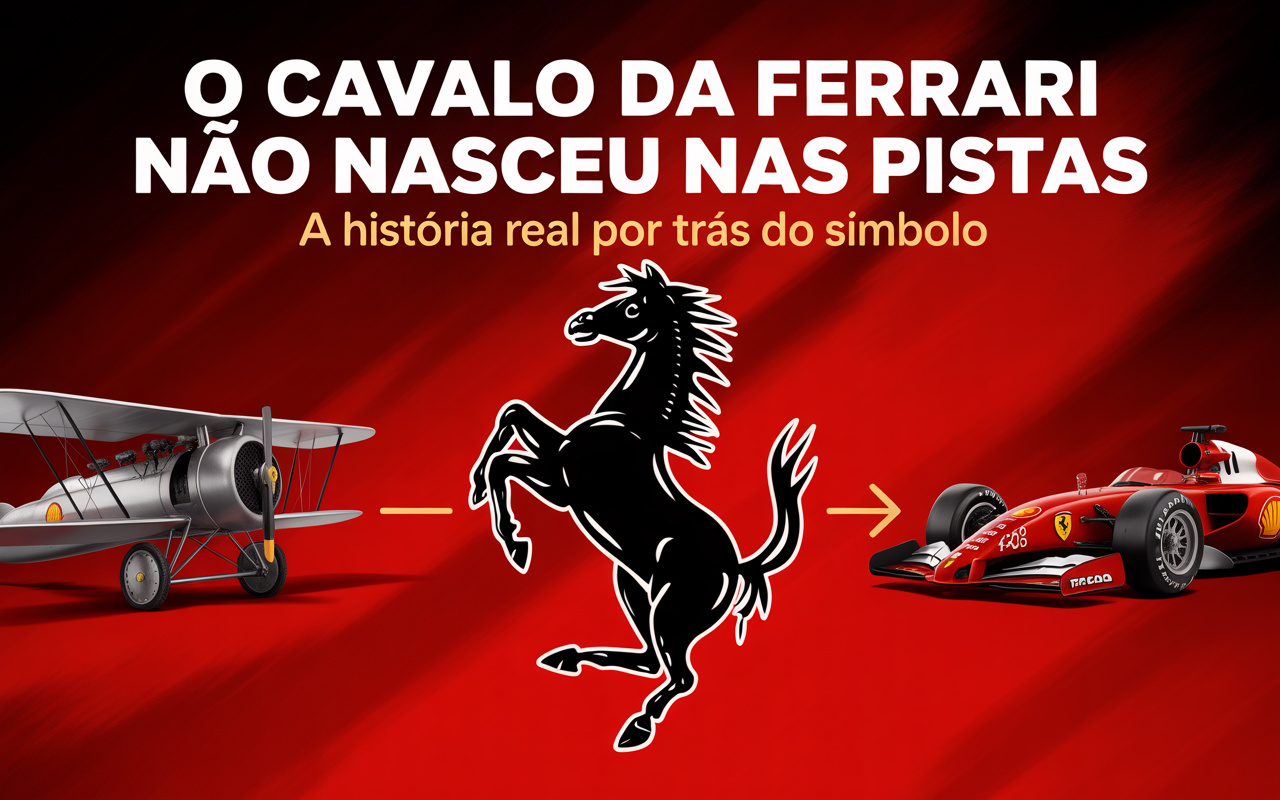

Why Does Ferrari Use a Horse as a Symbol? The True Story Involves War, Mourning, and a Personal Request That Changed Motorsport Forever.
The horse that today represents speed, luxury, and victory was not born in Maranello, nor was it created to convey performance or status. The Ferrari symbol emerged in a completely different context: World War I, marked by aerial combat, human losses, and personal tributes.
Before becoming the most recognized emblem in global motorsport, the rearing horse was a symbol of courage and memory, loaded with emotional significance long before it became an industrial icon.
The Horse Belonged to a Hero of World War I
The origin of the Ferrari horse dates back to Francesco Baracca, one of the most famous fighter pilots in Italy during World War I. Baracca was an aviation ace, responsible for dozens of aerial victories and considered a national hero.
-
1983 Chevrolet Runs Over 100,000 km Without Gasoline, Powered by Wood Chips, Reaches 125 km/h in Airport Test

-
Workshop Converts Giant Tractor Tire Tricycle into a Three-Wheel Drive Hybrid with 36,000-Watt Electric Motor Capable of Climbing Hills

-
Sales of Brazil’s Cheapest Electric Car Halted Before First Deliveries: E-Motors Suspends Emova Easy Due to Import Tax Increase and Rising Freight Costs

-
Nissan Discontinues Qashqai SUV Amid Cost-Cutting, Chinese Competition, and Product Line Review




On his aircraft, he painted a rearing black horse, a personal symbol that, according to historical records, was linked to the old cavalry regiment he had belonged to before becoming a pilot.
The horse did not represent speed. It represented bravery, honor, and military identity.
The Death of Baracca and the Symbol That Became Memory
In 1918, Baracca was killed in combat. His death had a huge impact in Italy, and the horse began to be seen not only as a personal emblem, but as a symbol of sacrifice and heroism.
After the war, the horse became part of the Italian collective memory. It was not a brand, it was not a logo — it was a remembrance of someone who had died defending his country.
It is at this point that the story intersects with Enzo Ferrari.
The Meeting That Changed the History of the Symbol
Years after the war, Enzo Ferrari was still just a young driver and motorsport enthusiast. In 1923, after winning a race in Ravenna, he met the parents of Francesco Baracca.
During the meeting, the pilot’s mother, Countess Paolina Baracca, made a request that would change the history of motorsport: she suggested that Enzo use her son’s horse on his cars, as a way to bring good luck and keep Baracca’s memory alive.
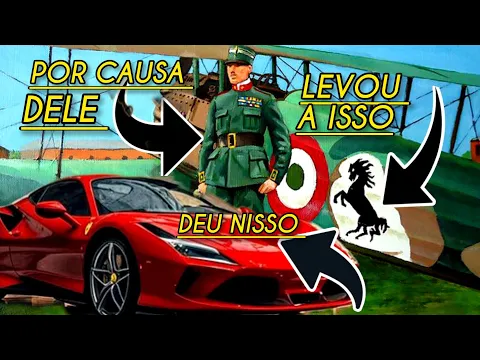
Enzo Ferrari accepted, but not immediately. He kept the symbol for years, waiting for the right moment.
When the Horse Finally Entered the Cars
Only in 1932, nearly a decade after the meeting, did the rearing horse officially appear on cars associated with Enzo Ferrari. At that moment, it was no longer just a personal tribute, but it began to evolve into identity.
Enzo made significant changes:
- he kept the rearing horse,
- changed the background to yellow, the symbolic color of Modena, his hometown,
- added the initials S F (Scuderia Ferrari).
The horse ceased to be a military symbol and began to represent a racing team, not yet imagining the size it would reach.
Why the Horse Was Never Radically Changed
Unlike other brands that modernized or simplified their symbols over time, Ferrari barely changed the horse. This is because the emblem was not born as a marketing strategy.
It carries:
- a real story,
- a documented historical figure,
- a personal request,
- a direct emotional connection with the founder of the brand.
Changing the horse would be, in Ferrari’s view, to break with that origin.
The Horse as a Symbol of Identity, Not Performance
Interestingly, the Ferrari horse does not symbolize speed, despite today being associated with extremely fast cars. It symbolizes:
- pride,
- persistence,
- courage,
- competitive spirit.
These values came from the war, not from the racetracks. Motorsport merely gave the symbol a new stage.
From Personal Tribute to Global Icon
With Ferrari’s growth in the post-war period, the horse crossed borders and became globally recognized. Even so, its origin remained the same: an inherited symbol, not a created one.
Few industrial emblems can claim that:
- they did not originate from a design department,
- they were not conceived to sell,
- they were not created to please the market.
The Ferrari horse is one of them.
A Symbol That Carries Human History
The Ferrari horse is famous, but its fame came later. Before that, it was:
- a mark of a war pilot,
- a reminder of a loss,
- a gesture of respect,
- a symbol of continuity.
When it appears on a car today, it represents not just power or luxury. It represents a real human story, traversing war, memory, and a passion for speed. That is why, more than a century later, it remains one of the world’s most powerful symbols.