






 Portuguese
  Spanish





Electric Models With Low Autonomy And Luxury SUVs Became Outdated Quickly In Brazil. With Stock Sitting Since 2022 And 2023, Manufacturers Are Offering Significant Discounts To Clear Lots And Make Room For The New Generations Of Vehicles.
On manufacturers’ sites and dealership showrooms, there are still zero-km from previous years trying to find buyers in 2025.
The majority consists of electric vehicles from 2022 and 2023, some with an autonomy of just 192 km, but there are also powerful SUVs with over 500 hp and Brembo brakes, being offered with cuts of up to R$ 100 thousand to clear stock.
The rapid advancement of technology, the expansion of Chinese brands, and portfolio adjustments explain why so many models became displaced prematurely.
-
Brazil’s 2026 Tax Refund: Record 9.58 Million Filers in Largest Payout Ever, But a Key Detail on Priority Recipients Draws Nationwide Attention

-
Itaú Alters Hybrid Work Model, Increasing Office Days from 2028, Prompting Employees to Adjust to New Routine
-
Facing Labor Shortage, Japan Plans to Invest $34 Million to Attract Foreign Workers in Construction, Healthcare, Industry, and Commerce

-
Brazilian City Makes Remarkable Leap, Becomes 4th Wealthiest in the Country with GDP of R$ 134.1 Billion




Old Stock And Little Real Showcase
Those visiting manufacturers’ websites might imagine a wide offering. In practice, many of these vehicles hardly appear in physical stores.
According to the UOL portal, in an article published this Monday (25), final batches remain, sometimes scattered across the country, with generous discounts to move units produced in 2023 or even earlier.
Obsolescence arrived early for first-generation electric vehicles. Some combustion models also ended up dragged down by strategic decisions and low demand.
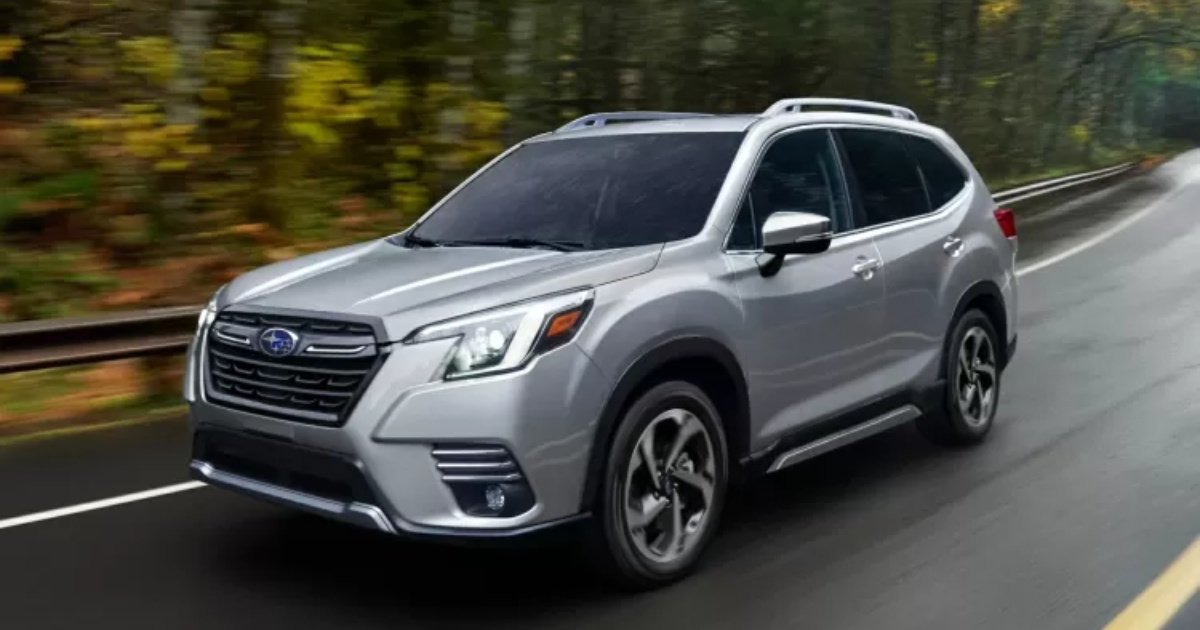
Subaru Forester Resists Outside The Electric Universe
Among the stranded vehicles that do not depend on battery emerges the Subaru Forester. In 2025, the mid-size SUV registered 70 units sold.
It is the only model of the brand in Brazil, imported by the Caoa group, and has a loyal audience that values Subaru’s traditional solutions, even without recent renewal.
This clientele pays R$ 253,900 for the 2023 Forester, with a 2.0-liter Boxer engine with 150 hp and all-wheel drive.
According to UOL, the future of the local operation remains undefined, but the car continues to be an option for those who prioritize the classic mechanical setup and four-wheel drive.
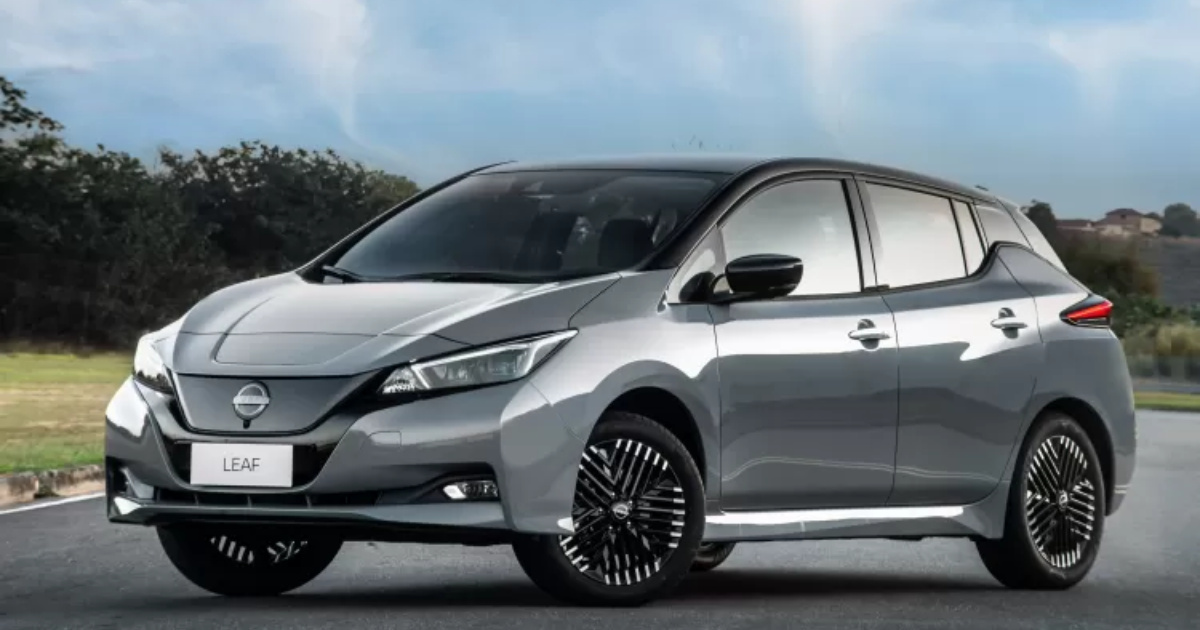
Nissan Leaf Exits The Scene, But Still Makes Appearances
Launched in 2018 for R$ 178,400, the Nissan Leaf was once the only electric vehicle available in the country. However, the years have taken their toll.
The autonomy of 192 km and aging interior have diminished its appeal, while post-pandemic inflation pushed the price up to nearly R$ 300 thousand.
There was a facelift in 2022, followed by campaigns that lowered the price to R$ 159,990.
Today, the pioneer no longer appears in the manufacturer’s official catalog, which focuses efforts on the Kicks line.
Even so, it is still possible to find zero-km 2022/23 units for R$ 199,990 in some markets, remnants of remaining batches.
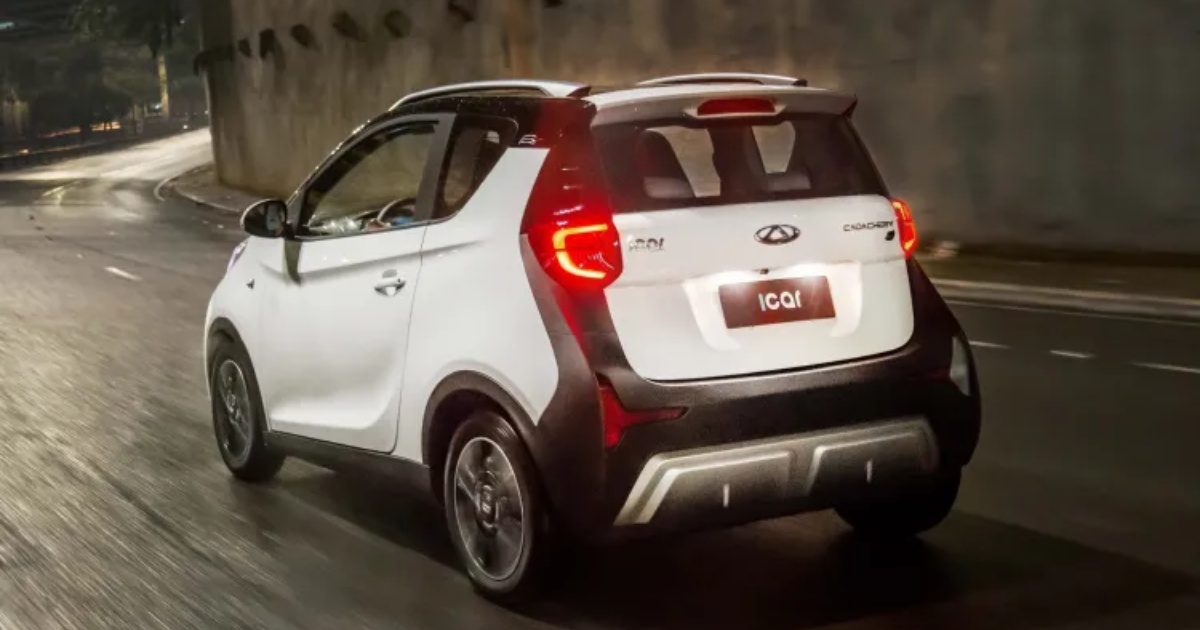
iCar From Caoa Chery Became A Rare Appearance
The iCar was Caoa Chery’s bet to compete for the title of the cheapest electric vehicle when it debuted in 2022 for R$ 139,990.
Its compact dimensions and the proposal of two seats limited its commercial reach. The situation worsened with the arrival of more modern rivals like the BYD Dolphin Mini.
By 2025, the subcompact had sold 215 units. Although it still figures on the brand’s website, finding it is a difficult task.
Online showrooms have 2022/23 or 2023/23 versions remaining, generally priced around R$ 119,990.
Lack of turnover contrasts with the good performance of the Tiggo family, which draws the attention of dealerships.
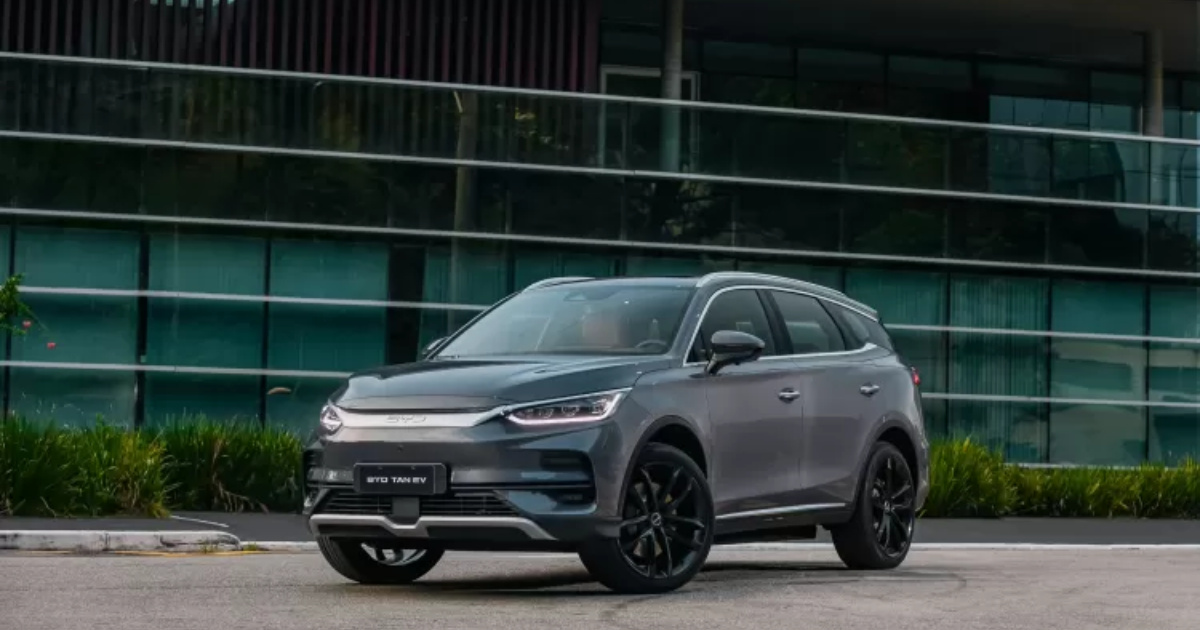
BYD Han And Tan Lose Protagonism And Face Discounts
BYD started its offensive in Brazil in 2022 with two luxury models: the SUV Tan and the sedan Han.
Both offer over 500 hp, components like Brembo brakes, and refined finishes, with launch prices between R$ 487,590 and R$ 539,990.
Three years later, the duo has taken a back seat to higher volume lines like Dolphin and Song. By July, Han and Tan had a total of 70 units sold that year.
To clear stock, the brand adopted an aggressive policy: R$ 100 thousand discount per vehicle, valid for 2024 units and purchases via CNPJ.
According to UOL, it is the type of action that reveals how certain products have “aged” quickly in a portfolio that renews at a rapid pace.
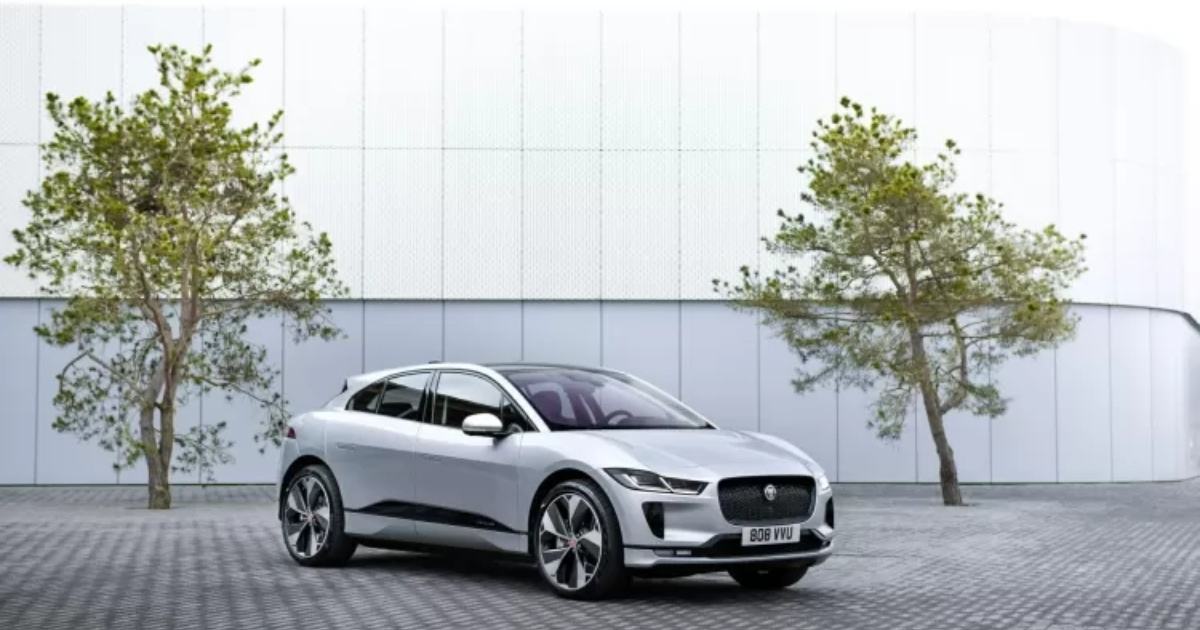
Jaguar I-Pace Tries To Turn The Page
As an icon of the beginning of the premium electric era in the country, the Jaguar I-Pace arrived in 2019. Since then, it has received only minor updates with each new generation.
With discreet performance, only 2022/23 units are offered starting at R$ 380 thousand. Other zero-km models from the brand have followed the same path. They depend on remaining stock, last replenished last year.
The movement has an explanation. Jaguar is preparing a deep renewal of style, technology, and positioning. Therefore, it is not expected to launch new products until 2026 or 2027.
In the meantime, dealerships are focusing on used cars and after-sales.
Fiat 500e Almost Only On Paper
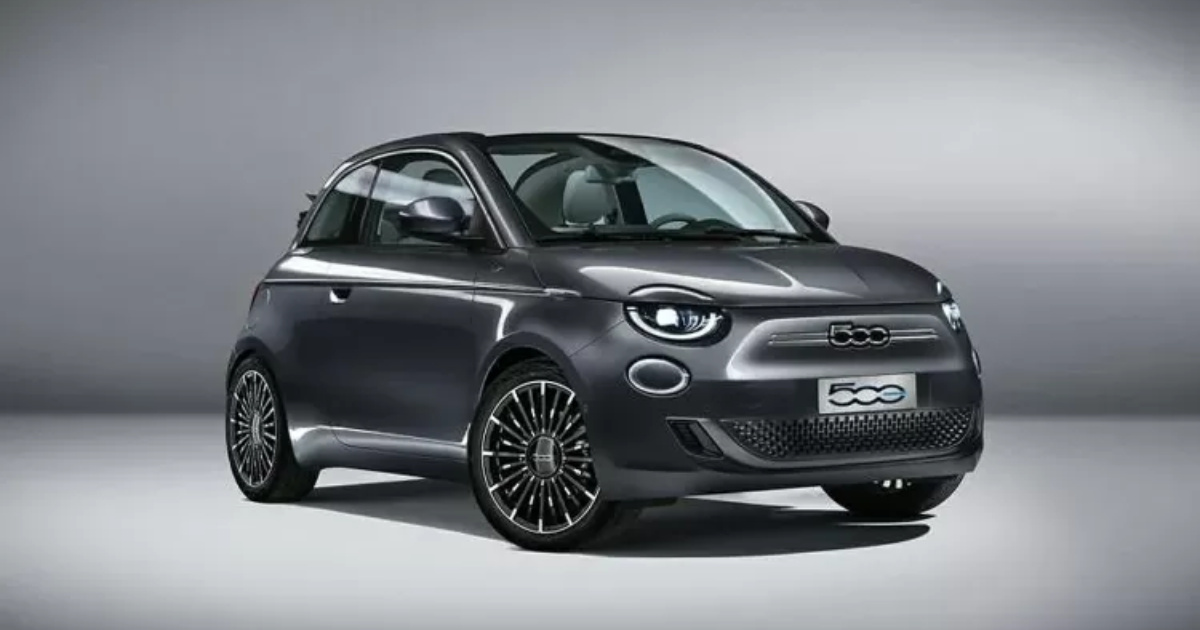
Also from the first wave of electric vehicles, the Fiat 500e marked the Italian brand’s debut in this segment in 2021, at a price of R$ 239,990 in August of that year.
The label even rose to R$ 255,990 before recently retracting to R$ 214,990. The model is still visible on Fiat‘s website, but only 2022 units are listed. In the network, it is rare to find them.
Consulted dealerships report that they have not had the 500e in stock for a long time. The 2024 batch that the manufacturer considered bringing last year did not come, and it seems it will not come.
What Sustains The “Graveyard” Of Models
The stagnation has multiple causes. The technological evolution of electric vehicles — especially in battery, autonomy, and onboard electronics — has shortened the life cycle of projects launched just a few years ago.
At the same time, new brands, especially Chinese ones, have increased competition with aggressive pricing and more attractive equipment packages, reducing interest in older versions.
There are also the portfolio movements of the manufacturers themselves, who prioritize high-volume lines and leave niche cars behind, even if technically competent.
The result is a market with residual stock, high discounts, and models that, although still in catalogs, barely exist in stores.
While consumers await newly launched and more efficient products, brands are taking the opportunity to clear their lots.
There are pricing opportunities, especially for those willing to give up updated connectivity or a greater autonomy.
On the other hand, the perception that certain cars have become outdated quickly reinforces the feeling that the buying decision needs to weigh depreciation, support network, and software evolution over time.








