






 Portuguese
  Spanish
  3 min of reading
  1 comment


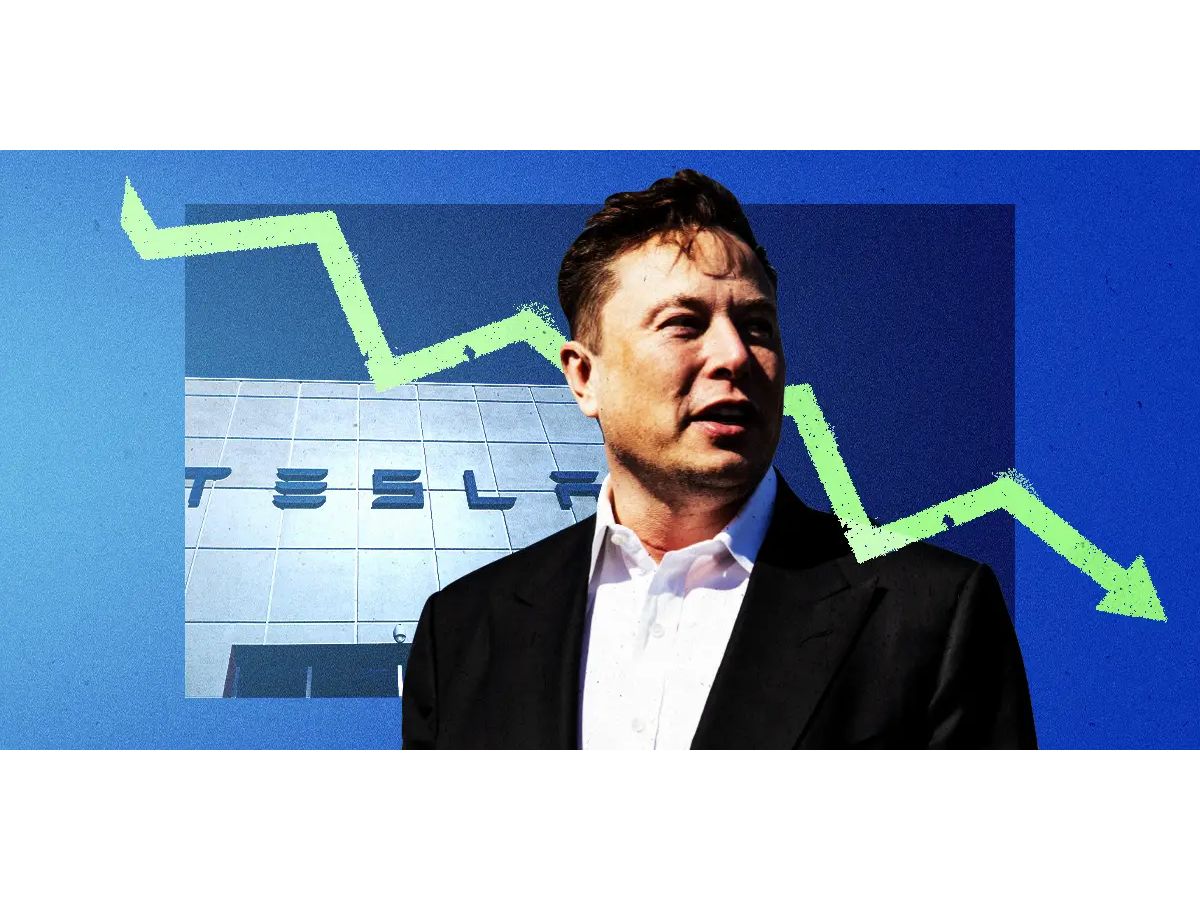

Tesla in Crisis: Analysts Warn of Accelerated Decline Amid Financial Losses and Public Rejection
The Tesla, once a symbol of innovation in the automotive sector, is facing a perfect storm: a sharp decline in profits, loss of market share, and a growing public rejection linked to the political controversies surrounding its CEO, Elon Musk. In a highly competitive and geopolitically unstable environment, the company’s leadership in the electric vehicle sector is under serious threat.
Declining Financial Results and Aggressive Competition
In the first quarter of 2025, Tesla reported revenue of US$ 19.34 billion, a 9% drop compared to the same period last year. Net income plummeted 71%, totaling US$ 409 million, below Wall Street expectations. Global vehicle deliveries fell to 336,681 units, a decrease of 13% compared to the previous year, marking the worst quarter since 2022.
Meanwhile, competitors like the Chinese BYD and the American General Motors are rapidly advancing. BYD sold approximately 540,000 electric vehicles in the first two months of 2025, an increase of 80.3% compared to the previous year. In the United States, GM increased its electric vehicle sales by 94% in the first quarter, reaching a market share of 11%, according to Business Insider.
-
Brazilian Joins Homeownership Consortium, Faces Decade of Dual Payments Totaling $141,000, Surpassing Traditional Mortgage

-
Land Rover to Halt Production in July, Putting 371 Jobs at Risk, as Chinese Automaker Negotiates to Convert Factory to 100,000 Vehicles Annually by 2027

-
Mexican Pest Threatens U.S. Cattle Herds at Historic Lows, Potentially Boosting Brazilian Beef Exports as Burger Prices Soar

-
Brazilian Freight Bill Progresses in Congress with $5,000 Minimum Wage, 70% Advance Payment, and Fines Up to $1 Million, as Agriculture and Industry Warn of Rising Costs and Legal Uncertainty


Political Controversies and Brand Image Damage
Elon Musk’s association with Donald Trump’s government, particularly his leadership of the Department of Government Efficiency (DOGE), has sparked criticism and protests. Research indicates that about 60% of American consumers have a negative view of Musk. In traditionally progressive states like California and New York, boycott campaigns against Tesla have gained traction.
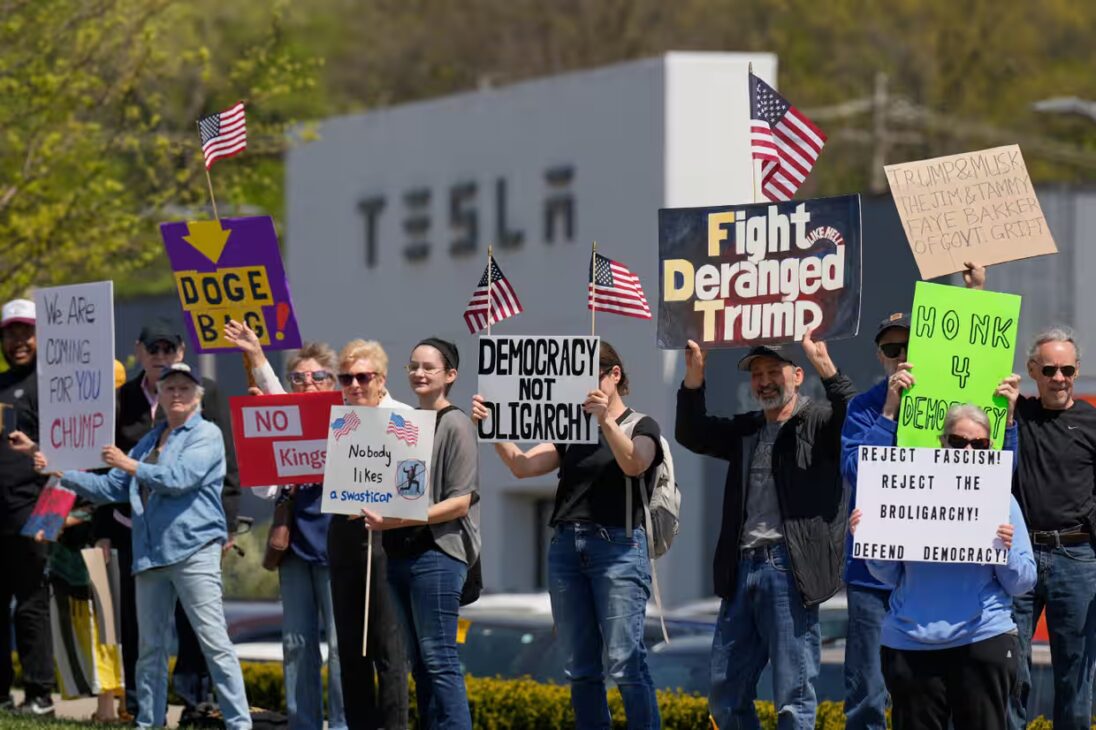
Protesters demonstrate against Elon Musk’s cuts and that of the DOGE in front of a Tesla dealership in Kansas City, Missouri, on April 12. Photograph: Charlie Riedel/AP.
In Europe, the impact is even more visible. Tesla’s sales have plummeted: 81% in Sweden, 74% in the Netherlands, and 67% in Denmark in April 2025. A striking case is that of Lars Johansen, a 42-year-old Danish consumer who canceled the purchase of a Model Y after Musk’s political statements. “I admired Tesla, but I cannot support a company whose leader promotes ideas I do not agree with,” Johansen said.
Musk’s Succession and Possible Paths for Tesla
Amid the climate of instability, rumors about a possible replacement for Elon Musk as CEO began circulating following a report from the Wall Street Journal. The board chair, Robyn Denholm, strongly denied, calling the information “absolutely false.”
Analysts also express concern. Dan Ives from Wedbush Securities commented, “Musk’s leadership is central to Tesla’s identity, but his political distractions are hurting the company. It’s time for him to focus entirely on Tesla,” he told Reuters.
In response, Musk announced that he would reduce his involvement with DOGE starting in May, promising to dedicate more time to the automaker, according to The Guardian.
As an attempt at recovery, Tesla announced the launch of its highly anticipated Robotaxi service in Austin, Texas, for June 2025. A cheaper version of the Model Y is also in planning, aimed at price-sensitive consumers—a market where brands like BYD, Hyundai, and Volkswagen have been rapidly advancing.
Despite strategic bets, Tesla’s recovery will depend on more than just launches or future promises. Rebuilding trust among consumers, investors, and business partners will be necessary. And for that, a redesign in Musk’s public stance and a new market approach may be essential.





Ele, pensava que ( como se diz aqui na BA ) beiço de jegue é arroz doce…