Portuguese
  Spanish


Discover How a Study from the University of Geneva Reveals That the Mechanisms for Egg Formation Existed Over a Billion Years Ago, Potentially Solving the Egg or Chicken Enigma
Since ancient times, the question of what came first, the egg or the chicken, has been a topic of debate among philosophers and scientists. Considered by many as a paradox without a solution, this enigma actually hides profound biological mechanisms that date back to the origin of life on Earth.
A recent study from the University of Geneva may finally answer this question by revisiting a unicellular organism over a billion years old and revealing essential clues about the origin of reproduction and the role of the egg in animal development.
A Study Focused on the Origins of Reproduction
In 2017, Chromosphaera perkinsii, a unicellular species, was discovered in marine sediments near Hawaii. This organism is believed to have been very vibrant before the emergence of the first animals over a billion years ago.
-
OnePlus N6 Smartphone to Launch in India with 8,000mAh Battery and 45W SuperVOOC Charging, Lasting Up to Three Days

-
Scientists Plan to Release Air Bubbles Underwater to Protect Antarctica’s “Doomsday Glacier” from Melting

-
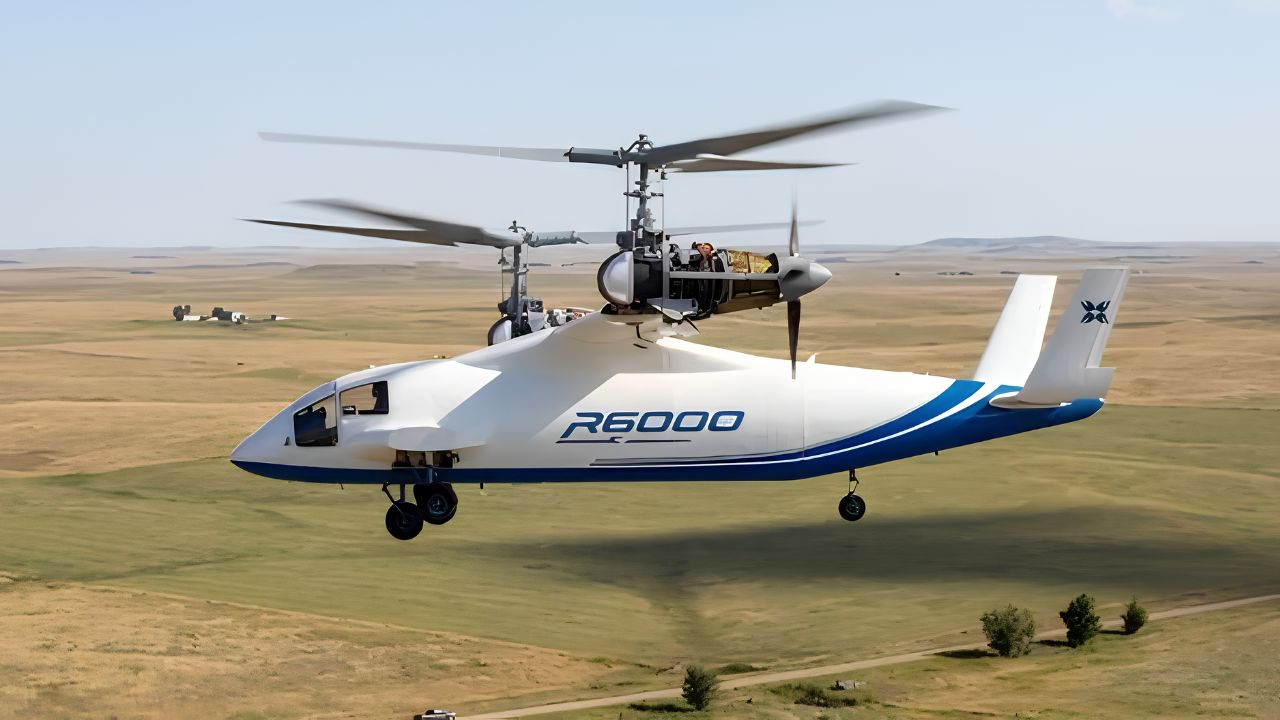
Chinese R6000 Drone Combines Airplane and Helicopter Features, Carries Up to 12 People for Multiple Missions
-
In the World’s Most Densely Populated Desert, Families Dig Funnel-Shaped Underground Cisterns to Capture Rare Rainfall and Store Drinking Water for Up to Eight Months




Led by researcher Omaya Dudin, scientists from the University of Geneva investigated the life cycle of Chromosphaera perkinsii, an organism with a unique cell division behavior.
At its maximum size, instead of continuing to grow, it divides into several cells, temporarily forming a multicellular colony. This feature, known as palintomic division, is similar to the early stages of embryonic development in modern animals.
The study, published in the journal Nature, presents a crucial finding: the genetic mechanisms for egg formation already existed before the emergence of the first animals.
“The genetic tools for creating eggs were present long before nature invented chickens,” stated the University of Geneva in a press release.
Similarities with Animal Embryonic Development
The behavior observed in Chromosphaera perkinsii offers a new perspective on the evolution of multicellular life. During division, the organism forms a three-dimensional colony made up of at least two different types of cells.
This process resembles the early stages of animal embryo formation, where cells rapidly multiply without increasing in size.
This type of multicellular development, already presented over a billion years ago, indicates that the genetic programs necessary for egg formation were in operation long before the existence of animals.
This discovery challenges existing theories about the evolution of living beings. According to the study, the mechanisms of cell division and multicellular cognition, which today are considered fundamental for the development of eggs, may be much older than scientists had imagined.
Moreover, hard-shelled eggs, like those of chickens, only emerged about 300 million years ago, well after the processes observed in Chromosphaera perkinsii.
Advances in Understanding the Origin of Multicellular Life
With this discovery, the question arises: were these reproductive mechanisms developed exclusively in Chromosphaera perkinsii or derived from a common ancestor of animals? Scientists continue to investigate this possibility.
The genetic continuity observed between this unicellular organism and modern animals may also explain the presence of embryonic structures in fossils from 600 million years ago.
This evidence suggests that the complex biological tools that enabled sexual reproduction and the formation of eggs were present long before current species.
With information from Science & Vie.